
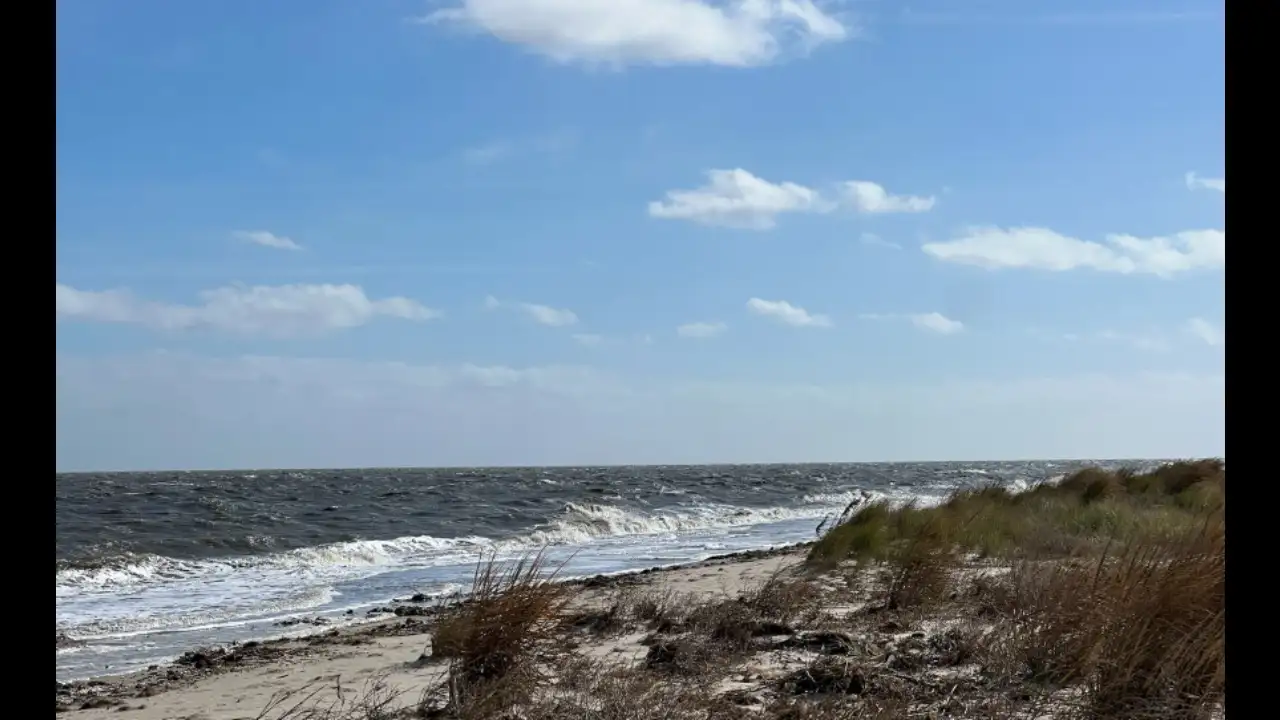
Scientists are bringing a damaged Delaware Wetland back to life. It starts with a simple idea. Let the water move through the marsh the way nature once allowed it to move. At Delaware’s Prime Hook National Wildlife Refuge, scientists are rebuilding about 4,000 acres of damaged coastal wetlands. The $38 million project is bringing back dunes, tidal channels and native marsh plants that had disappeared or declined.
The damage did not happen overnight. A project in the 1980s tried to turn much of Prime Hook’s salt marsh into a freshwater impoundment system. The plan was partly intended to attract ducks, geese and other birds. Years later, major storms added another layer of damage, washing away roughly two miles of beach and barrier dune.













