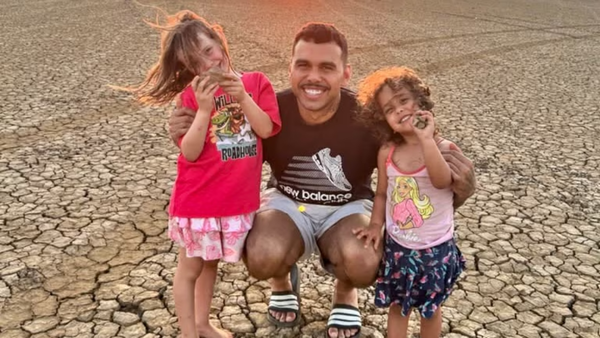
It’s hard to find a single pucca house in Manki, a tribal village in Madhya Pradesh’s Chhatarpur district, a part of the draught prone Bundelkhand region. Situated at a distance of barely two kilometres from Nainagiri, a Jain pilgrimage site that has visitors from across India, Manki, with over 1,100 people and 250 families, all from the Sour tribe, lacks basic amenities. The supply of electricity is irregular, there is no running water, and the village is not connected to a sanitation system. In this sleepy village of mostly marginal farmers, voters are looking for a representative who can help them with their long-pending demands of water for agricultural usage, and a corporate enterprise that can give them jobs and facilities.
With Assembly elections in Madhya Pradesh scheduled for November 17, aspiring candidates of political parties travel in convoys of sedans and sports utility vehicles, asking for people’s votes. Out of the 26 Assembly seats in the drought-stricken and poverty-ridden tribal region of Bundelkhand comprising of Sagar, Tikamgarh, Chhatarpur, Panna, Damoh, and Datia districts, 16 seats were won by BJP in 2018. One seat each went to the Samajwadi Party (SP) and the Bahujan Samaj Party (BSP). The Congress, which formed the government following the election, bagged eight. After the revolt by Jyotiraditya Scindia in 2020, the then Congress MLAs from Sagar and Chhatarpur moved to the BJP with him, and later, the saffron party took over the State. The SP MLA also joined BJP, taking the seats held by the BJP in Bundelkhand to 19.