I’m a journalist. I use words to convey things that have been verified as true, observable, and rooted in reality. A requirement of journalism is that language be stripped of emotion, of opinions, of “bias.” There should be no flowery language or poetry. Just the facts.
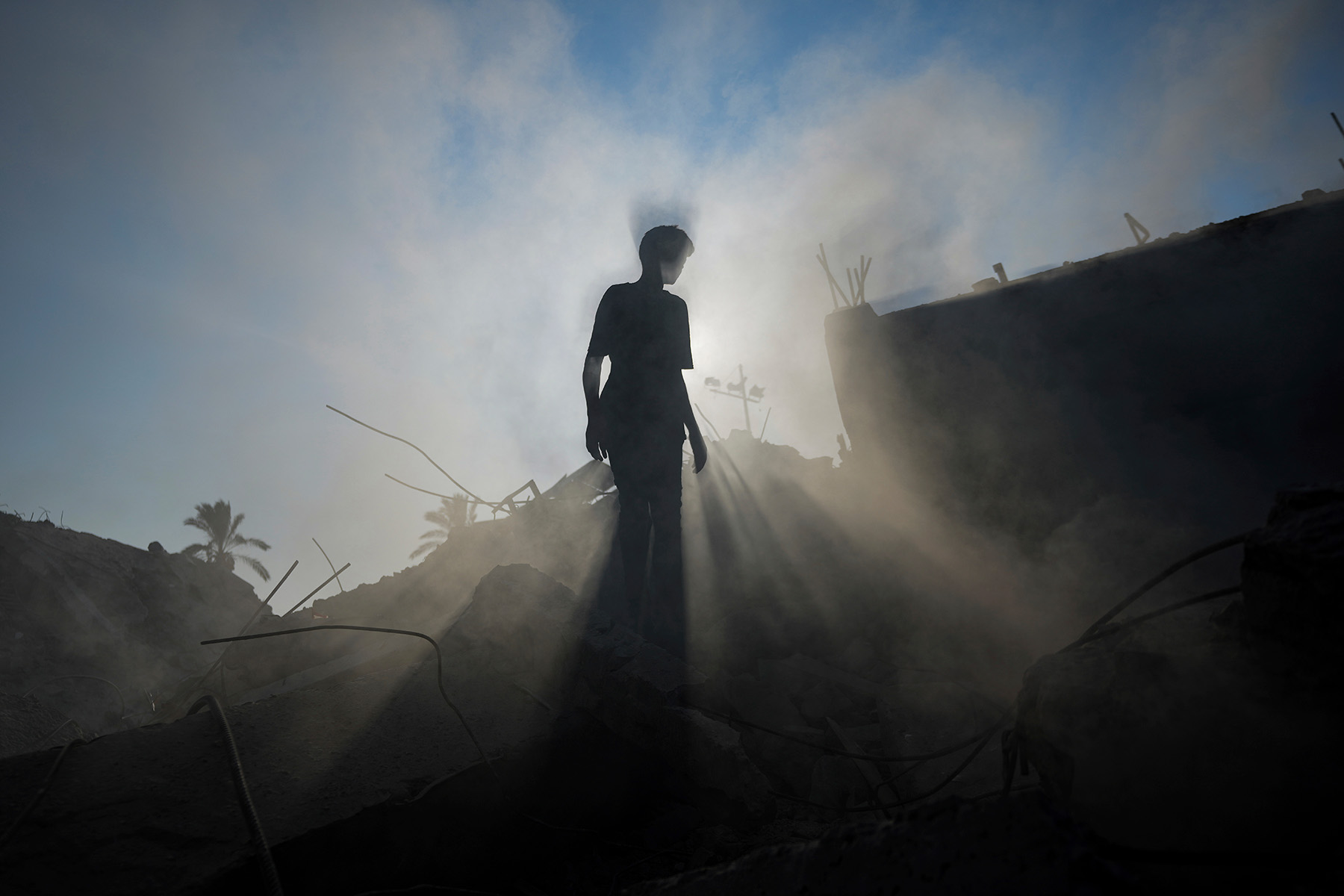
Under these guidelines, since October 2023, I have been pushing through fear, and a deeply ingrained self-censorship, to say yes to press interviews in which I use my journalism, my language, to tell the story of what’s happening in Gaza. And to also tell the story of how journalists’ language is sterilized, muted, and, in many cases, outright censored when we talk about Palestine and Palestinians. I’ve been talking about how, especially in the absence of foreign journalists in Gaza, we must listen to the words and testimony of those who are there, documenting, witnessing, and living it themselves. In these interviews, I’ve said that we need to be careful, as journalists, when we repeat in print and on screen unfounded things like beheaded babies or Hamas hiding under tunnels in hospitals full of the sick and wounded, because I know that language can fuel, facilitate, and allow for more bloodlust. I’ve urged caution, care, context. Language has power. It can decide who lives, who dies, whose deaths are mournable and whose can languish under rubble as collateral damage.