Get all your news in one place.
100's of premium titles.
One app.
Start reading
The Times of India
The Times of India
World
TOI World Desk

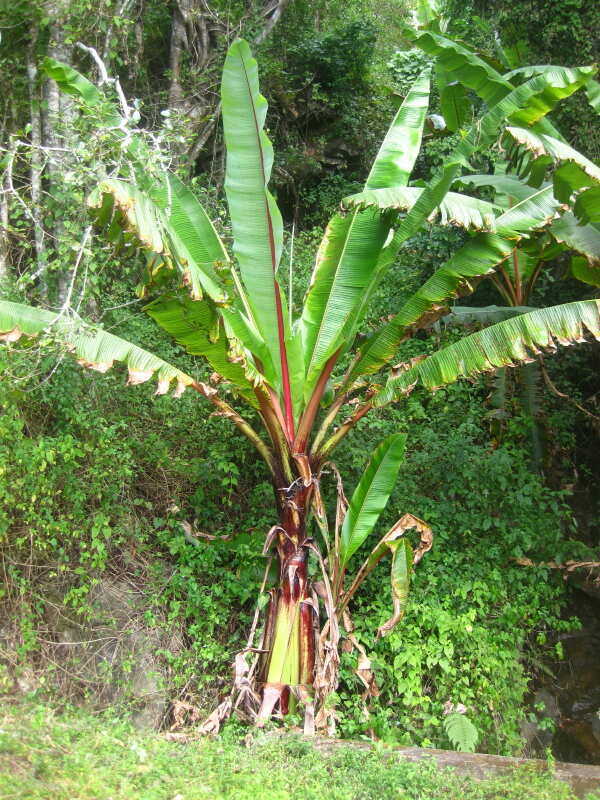
In Ethiopia, a banana relative called the “false banana” because it resembles a banana but does not produce edible fruit may hold genetic clues for improving crop resilience

In the highlands of southwestern Ethiopia, a large green plant plays an important role in daily life. The outside observer may easily confuse it with a traditional banana plant, with all its thick structures and broad leaves. However, those who farm in the area would easily distinguish it from other common plants in the region. It does not produce fruit; instead, it produces a large stem and an underground corm that can be harvested year-round.

Get breaking news anytime, anywhere. Download the TOI app now!

When traditional grain harvests fail due to irregular rain or shifting weather patterns, this resilient green giant remains completely unfazed. It sits comfortably in family gardens, waiting patiently until it is needed to provide a reliable source of food energy. This resilience has prompted an international effort to understand what makes the plant so durable. Scientists have long suspected that the secrets to its remarkable survival skills are locked deep within its cellular structure, hidden from plain view.

An insight has emerged to shed light on these biological mysteries, documented in a preliminary research preprint hosted on the platform Research Square . By decoding the entire genetic blueprint of a prominent local variety known as Mazia, an international group of geneticists and agricultural experts mapped out the crop's complete DNA sequence. The comparative genomic analysis unexpectedly revealed that roughly twenty-five percent of the Ensete ventricosum genome is unique to this specific plant. Rather than being isolated drought-survival markers, these unique genes are associated with broader evolutionary adaptations, including carbohydrate metabolism, disease resistance, and overall plant lifestyle. This means a quarter of its genetic structure contains instructions found nowhere else in mainstream banana varieties, explaining why it behaves so differently from regular fruit-bearing trees.

Its unusual structure helps it withstand harsh weather. Unlike seasonal crops that must be harvested when they ripen, this plant can remain in the soil for several years without losing nutritional value. This gives small-scale farmers flexibility to harvest the plant whenever they need food during difficult seasons or shortages. Genetic mapping helps to reveal the genes contributing to the longevity of the plant.

Living food storage for emergencies

To understand the importance of such gene mapping, you should see how this plant works within people's everyday life. Local people and agronomists call it the “tree against hunger” because it helps bridge seasonal food shortages. While ordinary banana plants focus on fruit production, this plant stores energy in its edible stem and underground corm.

The study examines biological pathways related to carbohydrate metabolism and cell structure to understand the plant’s long-term resilience. The researchers discovered that the unique genetic markers in the crop are heavily linked to its ability to store vast amounts of starch within its massive false stem and underground bulb. This internal storage system acts like a natural food bank, allowing a single plant to stand tall through multi-year droughts while remaining perfectly edible.

Interestingly, the researchers highlight that this "tree against hunger" plays a massive, multi-purpose role in the livelihoods of over twenty million people, noting that this towering crop can grow up to ten meters tall and remain viable in the soil for several years before harvest to secure local food systems. Beyond its food uses, the crop provides fibre for ropes, leaves for temporary building materials, and foliage for livestock feed. The preliminary analysis detailed in the Research Square preprint suggests a notable presence of specialised disease resistance markers, pointing to genetic factors that may help protect the plant against aggressive bacterial wilts that frequently devastate other regional crops.

The plant also helps prevent soil erosion on mountain slopes, making it an important ecological species in Ethiopia’s highlands. The dense root system of this plant protects the topsoil fertility in the surrounding area for further use in agriculture. This plant's unique combination of being a nutritious solution and a means of preserving the environment explains why knowledge of its genome is of utmost importance.

Designing the future of climate-resilient agriculture

The difference between this genome map and those of common bananas gives researchers a useful tool for improving food security in the region. As climate change intensifies pressure on traditional agriculture, uncovering the genetic blueprint of highly resilient crops like enset offers a vital pathway to securing future food systems. Changing rainfall can make it harder for smallholders in the region to grow traditional grains such as maize and wheat.

When researchers compared the unique plant data against mainstream banana variants, they found distinct evolutionary forks. While mainstream bananas evolved to optimise swift fruit development and defence responses for open fields, the Ethiopian staple focused its genetic architecture on long-term survival, internal water regulation, and localised environmental adaptation. The plant can grow up to about ten metres tall and thrive across a range of altitudes.

Furthermore, the insights gained from this genetic map could help scientists protect the plant from emerging environmental threats. As global trade and climate shifts introduce new pests and pathogens to the region, having a complete genetic reference allows agronomists to identify which traditional varieties possess the strongest natural defences. This could help future breeding programs safeguard the crop while preserving traditional farming practices.

The findings may prompt a fresh look at the value of East Africa’s native crops. The crop’s long history in backyard gardens highlights its role in helping communities adapt to difficult conditions. Scientists are now decoding its genome, which could help explain why the crop has remained so important to food security.

Sign up to read this article
Read news from 100's of titles, curated specifically for you.
Already a member? Sign in here
Related Stories
Top stories on inkl right now
One subscription that gives you access to news from hundreds of sites
Already a member? Sign in here
Our Picks
Fourteen days free
Download the app
One app. One membership.
100+ trusted global sources.