
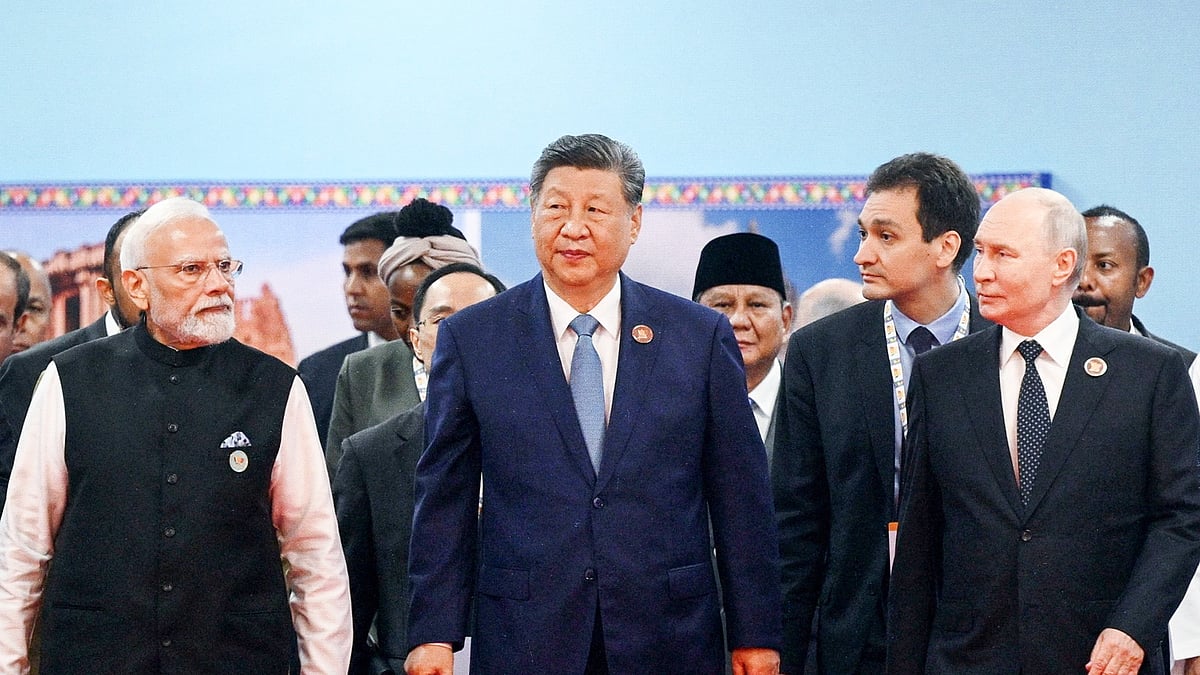
In what can be seen as a diplomatic success for both the grouping and its host, the consensus reached at the 18th BRICS Summit in New Delhi brought to the fore the continuing relevance of the multilateral forum in an international system grappling with competing power interests and geopolitical conflicts. The New Delhi Declaration was significant because, despite divergent viewpoints, those differences could be accommodated within a common framework of cooperation.
For an enlarged grouping with increasingly diverse political, economic and strategic interests, reaching a consensual declaration was itself an indication that BRICS can retain a measure of cohesion without requiring its members to take identical positions on the major questions before the world. For India, which held the chair, it was also a test of its ability to navigate those differences and keep the grouping focused on areas of common interest.














