As a fourth-generation weaver, Sunil Das, 55, cannot remember a time he was not surrounded by silk sarees. Now, he is tired. He bears many burdens: of low wages in the fast-dwindling market for handwoven sarees that often cost 10 times a silk, the rising costs of raw material, and the social stigma of belonging to the tanti or weaving community, classified by the Indian government under the Extremely Backward Classes. Das lives in Bhagalpur town, once called the Silk City of Bihar, situated on the banks of the Ganga. The district with the same name, in Bihar’s southernmost area, has 1,689 villages and a population of over 30 lakh, as per the 2011 Census. The sleepy town is also a centre of Manjusha painting, the green-pink-yellow hues depicting stories of the adopted daughters of Shiva and Parvati.
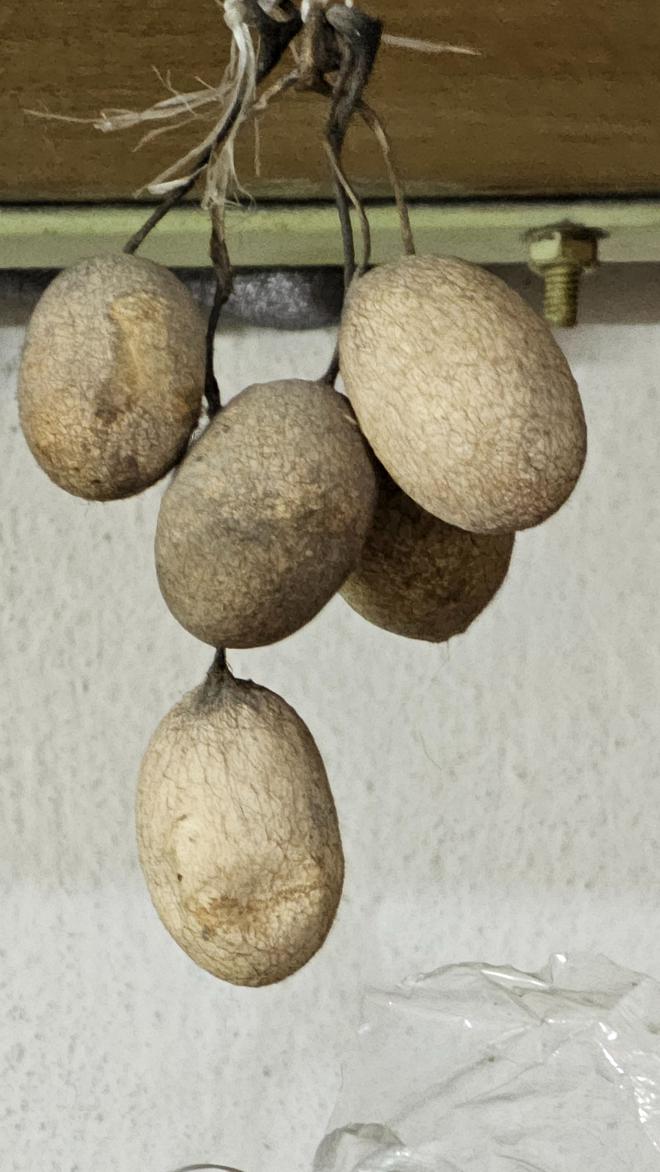
The Bhagalpur Regional Handloom Weavers Co-operative Union, a 25-year-old organisation, records the business of silk handlooms in the area. “Five years ago, there were about 2 lakh weavers in Bhagalpur; now there are 60,000,” says Javed Saleh Ansari, 65, chairperson of the cooperative union. Soaring yarn price dwindled the business down from ₹600 crore per annum in 2015 to its current ₹150 crore, he says.