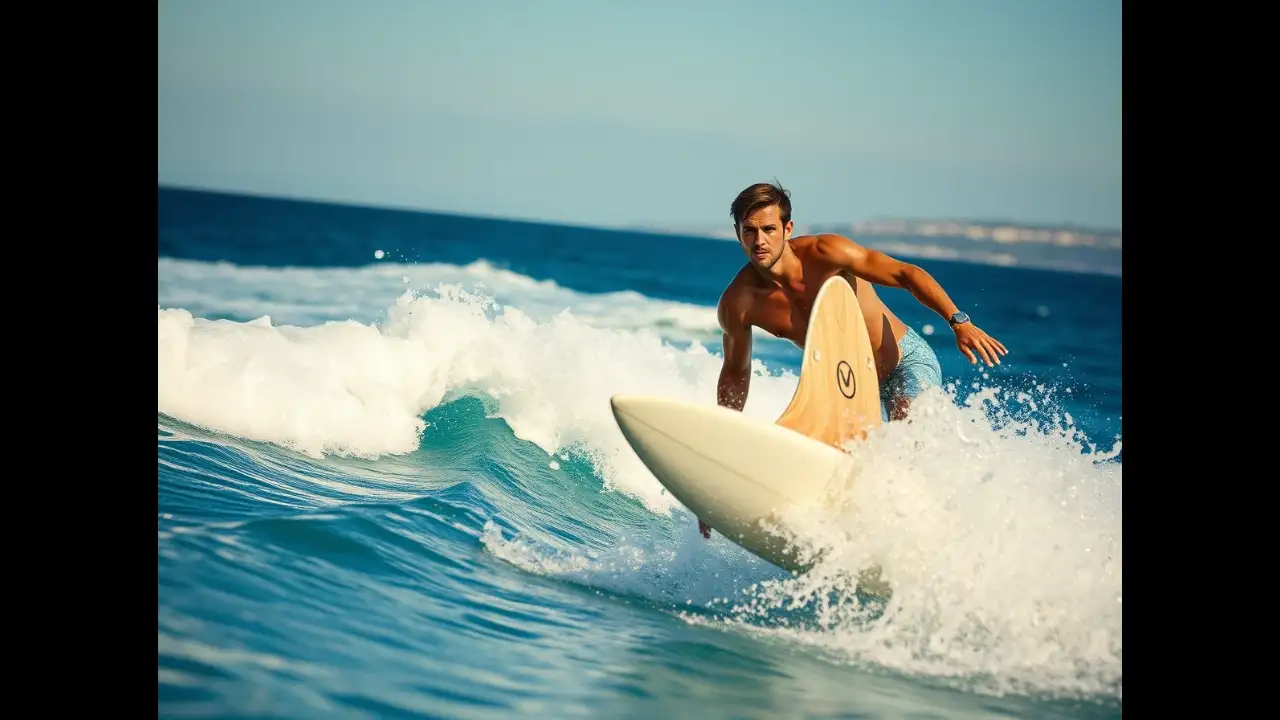
In 2026, an unusual connection between renewable energy and Australian surfing offered a striking example of how materials designed for one purpose can acquire a second life. Sydney surfer and Bolero Surf founder Banjo Hunt began turning sections of a retired wind turbine blade from Victoria’s Waubra Wind Farm into surfboard fins. The project attracted attention because turbine blades are among the most difficult components of a wind turbine to recycle, despite the broader structure of a turbine containing many materials that can be recovered. Hunt used a six-metre section of a blade and a computer-controlled cutting process to shape the material into fins designed for surfing. The result was more than an unusual experiment: it demonstrated how durable composite materials from decommissioned renewable-energy infrastructure could potentially become useful products instead of being treated simply as waste.
The choice of a wind turbine blade was closely connected to the qualities that make these enormous structures challenging at the end of their working lives. Turbine blades need to withstand powerful forces, repeated loading and demanding weather conditions, so they are engineered from strong composite materials that typically combine fibreglass with resin.