Anyone who has been in a situation where they received warnings about rolling blackouts or texts saying "Set your thermostat at 78 degrees" during a heat wave has experienced this firsthand: air conditioners in America don’t just cool down houses; they also put a huge strain on the grid every summer.
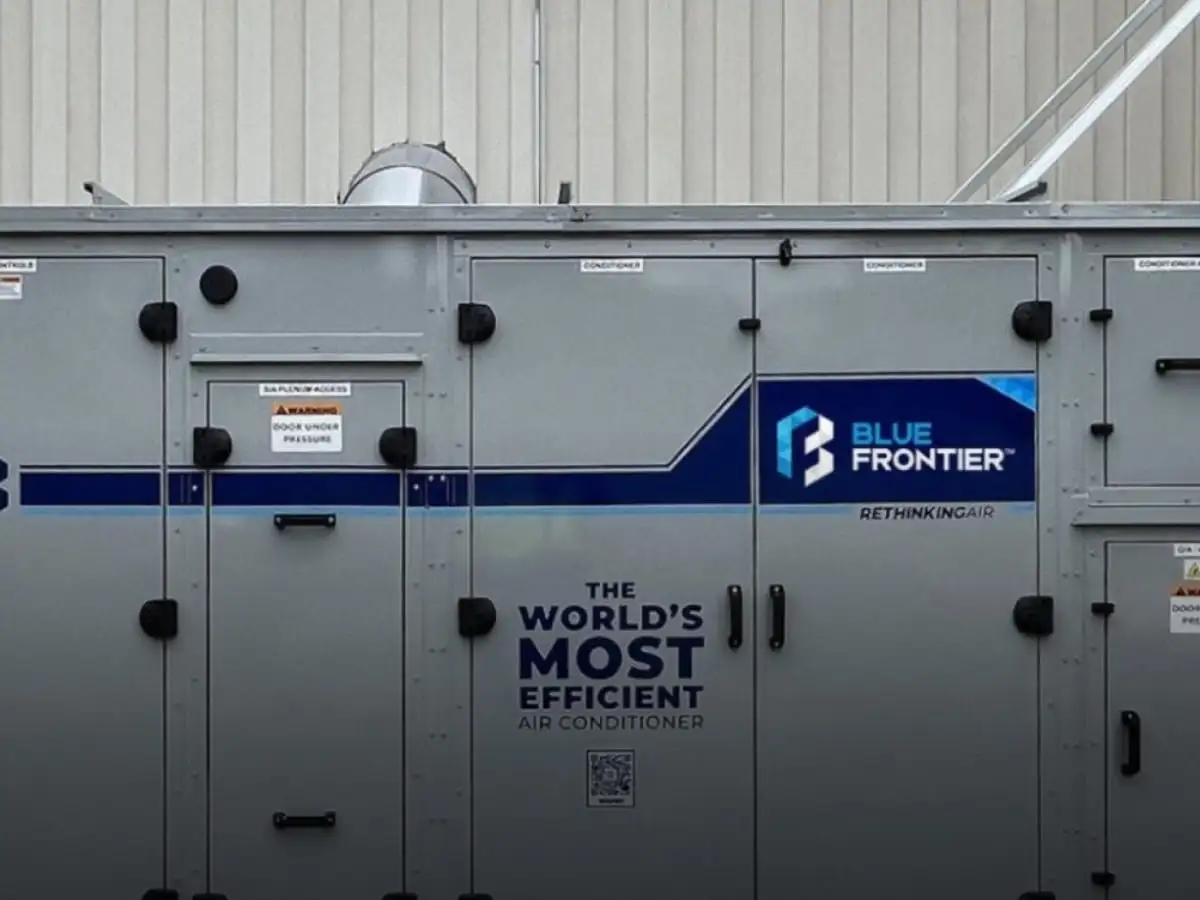
According to a September 2025 press release from the National Renewable Energy Laboratory (NREL), researchers at NREL, in collaboration with Blue Frontier Inc., developed the Energy Storing and Efficient Air Conditioner (ESEAC), a system designed to store energy for cooling rather than drawing most of its electricity during peak-demand periods. In a year-long simulation of a 20-ton ESEAC system in Miami, Florida, the technology reduced peak electricity demand by 93%, cooling-related electricity use by 38%, and annual electricity costs by 45%.