Get all your news in one place.
100's of premium titles.
One app.
Start reading
The Economic Times
The Economic Times
Team Global

In 2025, Sizewell A sent over 15,000 tonnes of crushed turbine-hall concrete to Sizewell C; the recycled material was used as sub-base beneath new foundations

An old nuclear power station in Suffolk has become the setting for a recycling story in Britain. Information released by the official website for the UK government on behalf of Nuclear Restoration Services and the Nuclear Decommissioning Authority says more than 15,000 metric tons of crushed concrete from Sizewell A’s old turbine hall have been reused at the nearby Sizewell C construction site. Sizewell A was shut down in 2006 and is now being decommissioned. In the course of this process, the turbine hall, which housed the alternator plinths that generated electricity from steam, was demolished.

From old reactor to new foundation
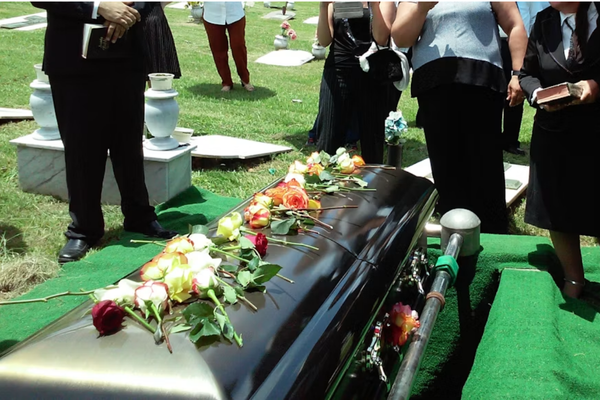
The process unfolded in stages. Once the turbine hall was removed, workers crushed and certified the concrete according to the WRAP Quality Protocol used in the UK construction industry. Once that work was complete, the material was delivered to the Main Construction Area at Sizewell C and used as sub-base material beneath the foundations of several structures. This allowed the project to use processed material from the nearby decommissioning site rather than bring in an equivalent volume of aggregate from elsewhere.

Using crushed Sizewell A concrete also reduced the need for material deliveries. According to Damian Leydon, Site Delivery Director at Sizewell C, the move fits the project’s approach of using nearby materials rather than sourcing everything externally, reducing truck deliveries and environmental impact. “We are getting an environmental win, but we are also saving time,” he said.

Why reusing the existing concrete is important

The government update says the decision helped avoid 28 metric tons of carbon dioxide emissions and kept demolition waste out of landfill. Wendy Heath, Senior Project Manager at Nuclear Restoration Services, described the reuse as “closing the loop” for material that might otherwise have been treated as waste. She also noted that it was the first project of its kind for the company, potentially offering a model for reusing materials from other decommissioning sites.

The reuse also reduced the amount of construction traffic associated with bringing new aggregate to the site. The government said the arrangement avoided around 800 vehicle movements on East Suffolk’s roads by keeping the material within the area around Sizewell A and Sizewell C. That meant fewer journeys associated with transporting replacement aggregate from elsewhere in the region.

Speaking about the collaboration, Sally Coble, the Environment Agency’s nuclear regulatory manager, said it shows regulators helping projects find sustainable solutions rather than only enforcing rules from the sidelines. According to Tom Daly, an East Suffolk councillor, the approach is welcome because material that would otherwise have been classified as waste has been brought back into use.

Sign up to read this article
Read news from 100's of titles, curated specifically for you.
Already a member? Sign in here
Related Stories
Top stories on inkl right now
One subscription that gives you access to news from hundreds of sites
Already a member? Sign in here
Our Picks
Fourteen days free
Download the app
One app. One membership.
100+ trusted global sources.