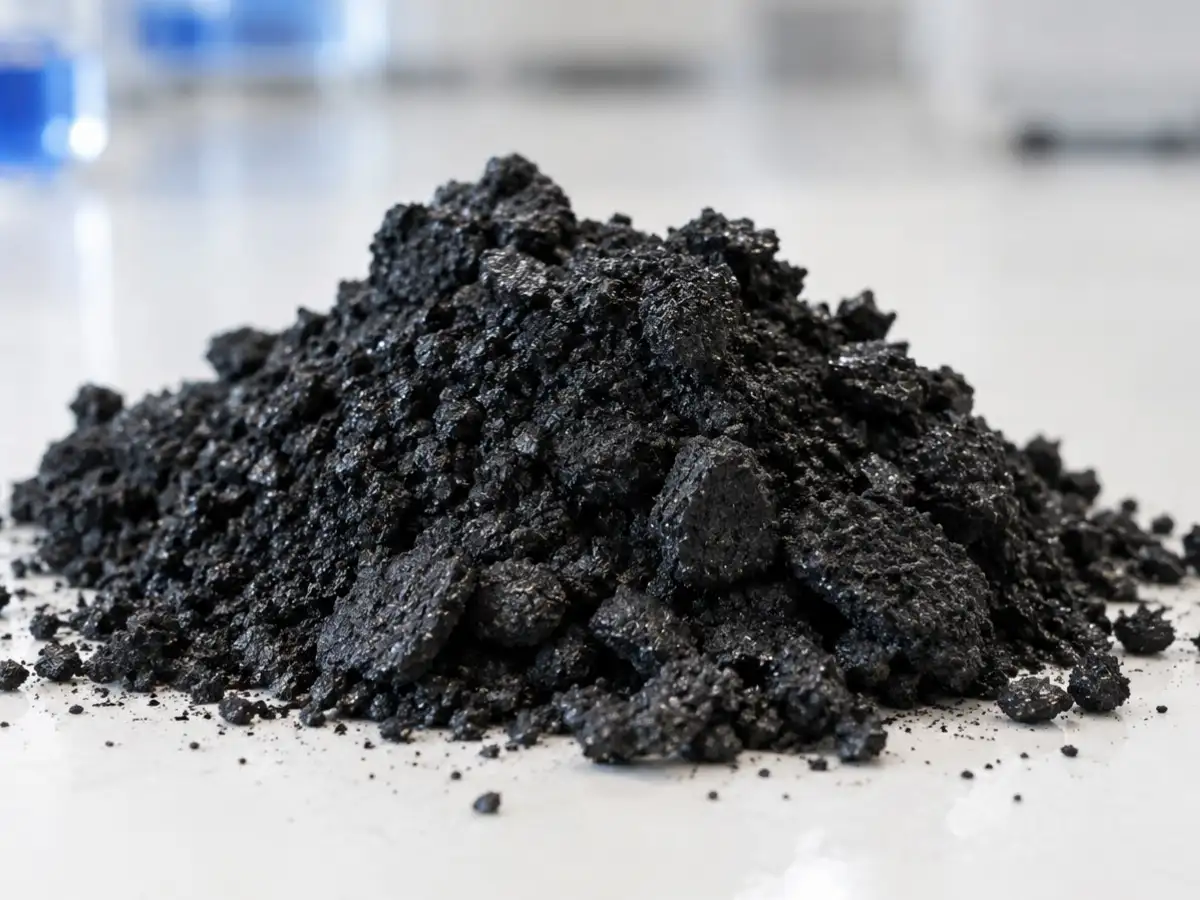
Most phone, laptop, and electric-vehicle batteries rely on graphite, a material the United States does not currently produce domestically. In 2024, researchers at the University of Chicago discovered a way to offset some of this graphite shortfall by turning plant waste into high-quality graphite. The team's discovery came after they slowly cooled the material over about 8 hours instead of 3, resulting in crystals about 5 times thicker and about 15 times wider than in previous attempts.
According to the University of Chicago Pritzker School of Molecular Engineering, the discovery could have major implications for how the United States sources one of its heaviest import-dependent materials. It affects the supply chains for electric vehicles, laptops, and power banks we use daily.
Why the US has a graphite problem
Graphite helps a battery's anode store and release charge; without it, batteries in phones, laptops, and electric vehicles would not work. According to the U.S. Geological Survey, there was no domestic graphite mined in the United States in 2025. Graphite is also one of the materials the government designated as a critical mineral on the USGS 2025 List of Critical Minerals because of its importance in modern technologies and its vulnerability to supply chain disruption. This makes manufacturers reliant on imports to keep battery production going. With a domestic, plant-based alternative, the U.S. would have an option it does not currently have, and that is what the UChicago team set out to create.