Nature restoration often requires funding that can remain in place for many years. Projects may take longer than conventional investment periods to deliver their full environmental benefits, while land ownership and the risks linked to restoration can create further challenges.
Arup (global consultancy and also leader in sustainable development) explored a private-sector funding method for nature restoration in 2024. The organization invested £1 million in Nattergal’s Boothby Wildland project in the UK, securing 10,000 tonnes of carbon removal credits over 50 years and supporting restoration activity in 71.24 hectares linked to its investment.

Why Arup Explored a New Funding Model
The UK requires accelerated nature restoration and carbon sequestration to meet its climate and biodiversity commitments. However, progress has been limited by insufficient finance from both public and private sources.
Nature-based solutions can need restoration periods that extend beyond conventional funding horizons. They can also include land ownership considerations and challenges that need to be managed in long durations.
Arup therefore sought to build diversity within its portfolio by delving into nature-based carbon removal credits from emerging projects that needed upfront investment to accelerate delivery.
Why Boothby Wildland Was Selected
Arup focused on a nature-based solutions (NbS) approach as such projects can address climate change, improve biodiversity and build resilience in both urban and rural scenarios.
When well designed, NbS can offer several co-benefits, including improved air and water quality, minimized flood risk and greater community wellbeing. This approach also mirrors Arup’s corporate ethos and professional services giving to clients, which emphasize sustainable development and systems thinking.
After analyzing several UK schemes, Arup identified Nattergal’s Boothby Wildland project as its preferred opportunity. The project was developed in alignment with the Wilder Carbon Standard for Nature and Climate and externally validated by Soil Association Certification.
Securing Future Carbon Removal Credits
Arup functioned with Nattergal and Wilder Carbon to develop a pre-purchase agreement in January 2025. The agreement secured 10,000tCO₂e of future carbon removal credits.
Arup will retire the credits over the next 50 years once the carbon removal has been verified in alignment with the Wilder Carbon Carbon Standard for Nature & Climate.
The investment is also connected to advantages beyond carbon removal. Nattergal’s management of the site is intended to help mitigate flood risk for the downstream village of Boothby Pagnell, improve water quality and elevate pollination.
These benefits are analyzed to support project integrity and contribute to wider knowledge creation and sharing.
The Boothby Wildland Project
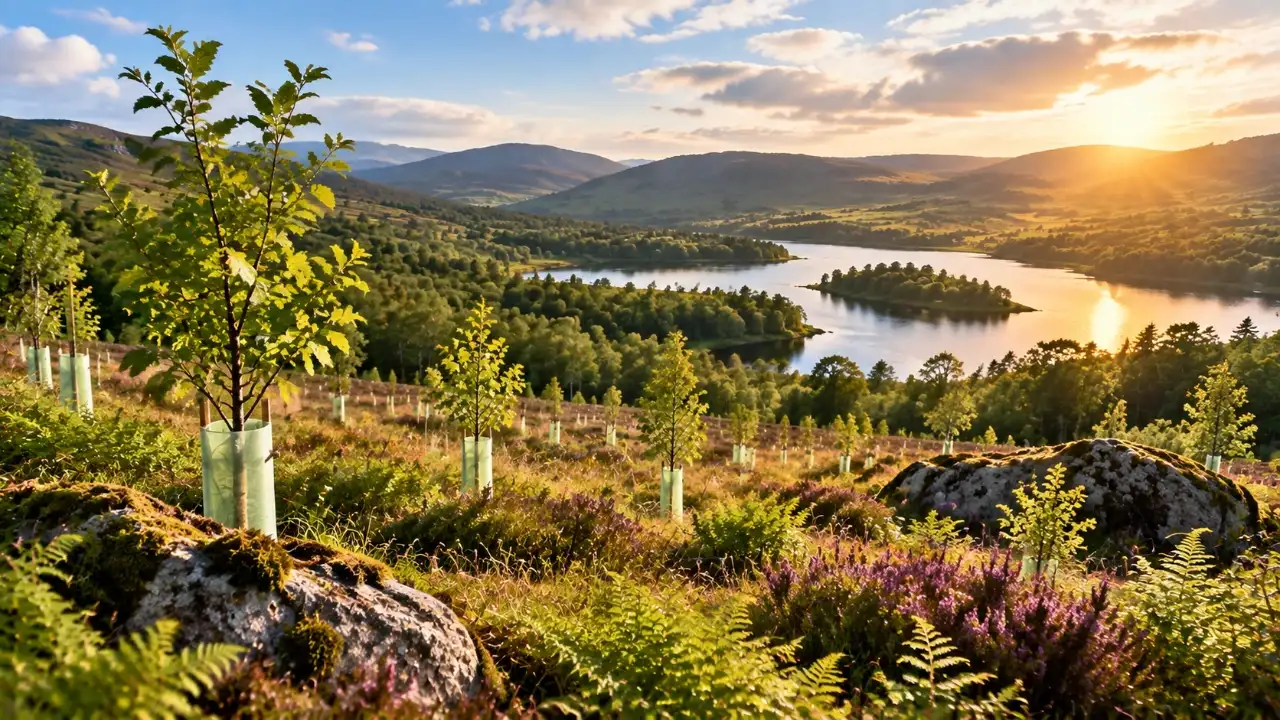
Boothby Wildland covers 617 hectares and was earlier a degraded arable farm in Lincolnshire, with variable grade 3 soil types.
Nattergal led a gradual three-year retreat from arable farming. Nature is currently taking the lead, with the help of some human interventions.
With input from local communities and stakeholders, the project aims to improve biodiversity through the natural regeneration of key habitats, support notable species and improve landscape connectivity.
It also seeks to enhance ecosystem services that includes flood mitigation, soil health, air and water quality and pollination. Community engagement is another objective, with local stakeholders contributing to regional priorities and opportunities to connect with nature.
The project also aims to offer science-based evidence about the environmental, social and economic advantages of process-led nature restoration.
Biodiversity and the Wilder Carbon Standard
The details provided describes nature as the world’s most undervalued asset class and identifies the recognition of its wider value in voluntary and compliance markets as a central concern to expanding nature-based solutions.
The Wilder Carbon Standard for Nature & Climate addresses this by requiring a minimum biodiversity uplift alongside carbon removal and storage as part of its carbon credit certification.
Arup saw value in a model that could quantify and illustrate these wider benefits. Its business case was therefore assessed not only on the price of carbon credits, but also on the combination of certified carbon removal, high-quality nature restoration, wider ecosystem benefits and the organization's values and long-term strategic objectives.
How the £1 Million Investment Was Funded
Arup made the upfront £1 million investment in Boothby at a price of £100 per tCO₂e. The funding came through the Arup Carbon Fund, an internal mechanism financed by a levy applied to emissions from the company’s aviation travel.
To support the longevity of the investment and partnership, Arup functioned with Bates Wells to negotiate a bespoke legal agreement. The agreement was made to safeguard the interests of all parties and was built around a shared ambition to explore mutual value in tackling climate change.
Restoration Has Already Begun
Restoration activity associated with Arup's investment has already started in 71.24 hectares of the site. The work includes installing protective fencing and encouraging pioneering species.
The investment in Boothby Wildland illustrates how private capital can be used to support ecological and climate action while connecting carbon removal with broader nature restoration objectives.
The approach also offers an alternative for organizations facing financial, supply and quality risks from fully relying on the carbon removal spot market.
Arup Looks at Other Opportunities
Following its advanced credit purchase, Arup is exploring opportunities involving other projects and organizations in various geographies. This mirrors the company’s global presence and interest in exploring the approach more widely.
The partnership between Arup, Nattergal and Wilder Carbon combines upfront private-sector funding with nature restoration and carbon removal. Its focus on integrity, collaboration and innovation presents one approach to supporting nature restoration while accounting for environmental and community benefits alongside carbon removal.
Source : Nattergal
FAQs:
Q1. What is the Boothby Wildland project?Boothby Wildland is a nature restoration project in Lincolnshire. The site covers 617 hectares and was formerly a degraded arable farm.
Q2. How much did Arup invest in the project?
Arup made an upfront investment of £1 million. The investment was made through the Arup Carbon Fund.