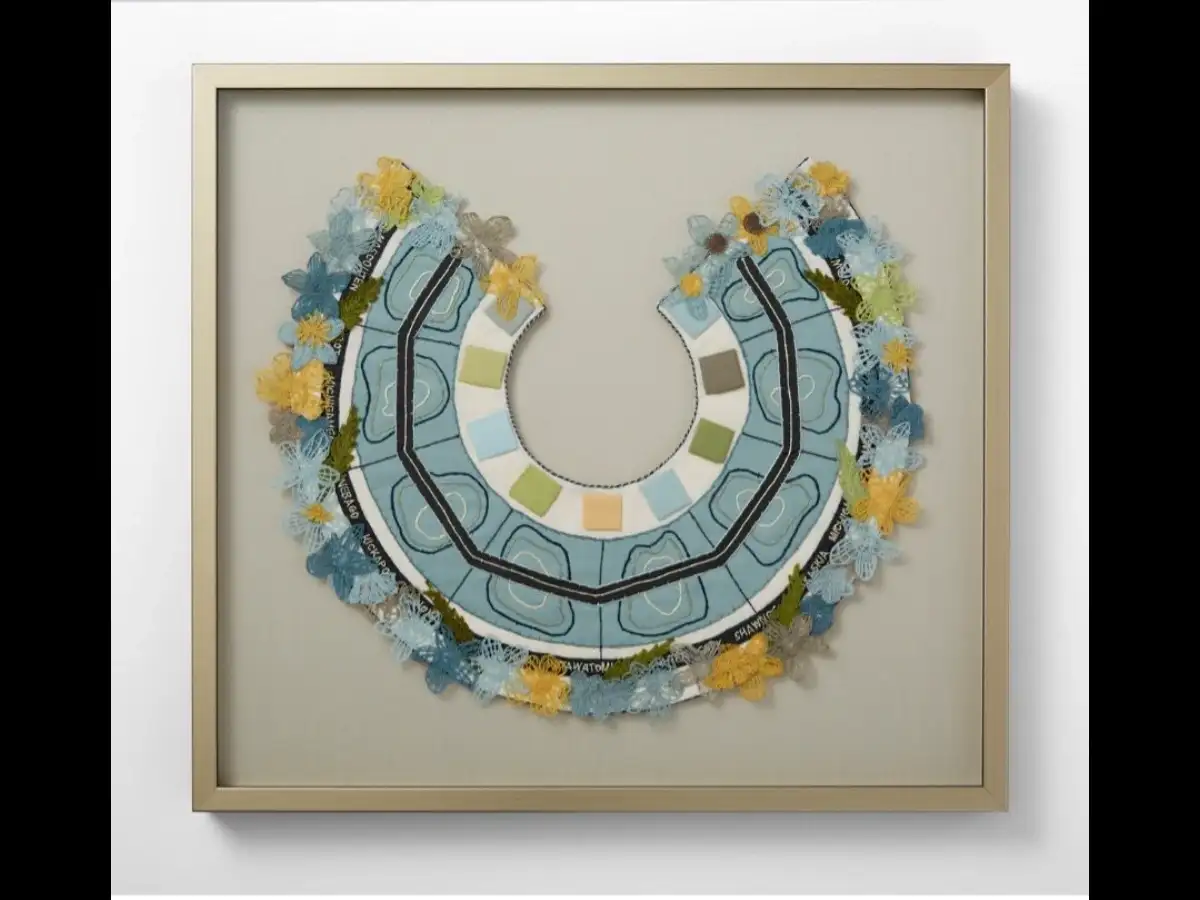
What if a landscape destroyed by decades of industry could be rebuilt—not simply by planting trees, but by bringing back the water, wildlife and natural cycles that once defined it?
That is the challenge unfolding across the Calumet region, a sprawling wetland landscape at the southern end of Lake Michigan, stretching across Chicago’s Southeast Side and Northwest Indiana.

Calumet region is surrounded by some of the unmistakable signs of the industrial Midwest today: highways, railways, levees, power infrastructure and remnants of heavy industry. But underneath that industrial landscape is something very different.
A lost wetland.
And scientists, ecologists, engineers, and conservationists are working to bring parts of it back.
A wetland landscape was transformed
The Calumet region was once dominated by wetlands. But the Industrial Age brought rapid and extensive changes to the landscape, including the filling and alteration of wetland areas.
What remains today is fragmented.
Instead of one connected wetland system, the region contains scattered parcels separated by roads, infrastructure, development, and other human-made barriers. The original hydrology—the natural movement and cycling of water through the landscape—has also been disrupted.
That creates a difficult question for restoration teams: How do you make a wetland function again when the landscape around it has been fundamentally changed?
The answer is surprisingly hands-on.
The restoration began with water
Lindsay Olson, an artist who became the first artist-in-residence with The Wetlands Initiative, experienced that process firsthand.
On her first day working with the group, she found herself ankle-deep in mud along the West Branch of the Little Calumet River floodplain corridor, helping the team install water gauges.