
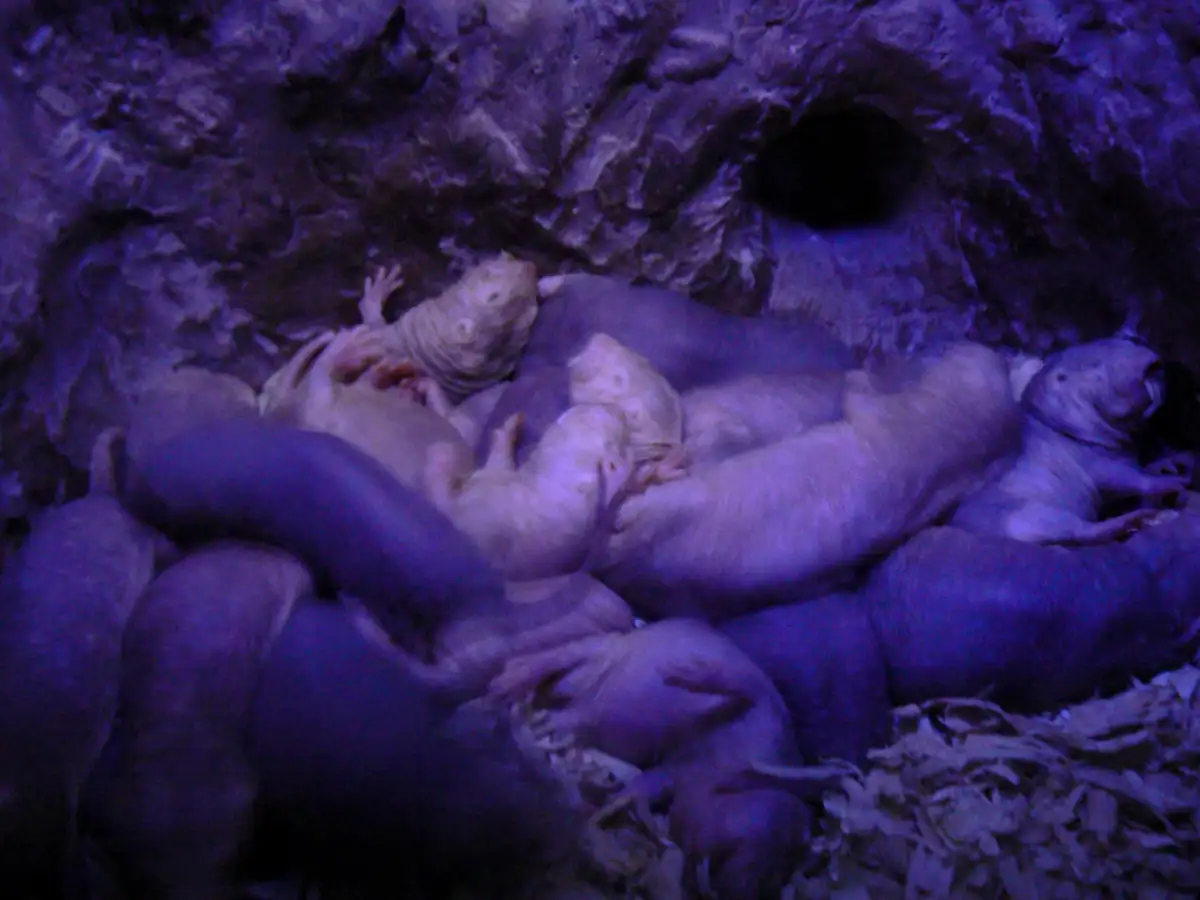
A team based at Berlin’s Max Delbrück Center for Molecular Medicine (MDC), working with colleagues at the University of Pretoria in South Africa, set out to answer a basic question about one of the animal kingdom’s stranger societies: do naked mole‑rats’ constant chirps carry real information, or are they just noise, as described in a press release from the Max Delbrück Center. Over two years, the researchers recorded 36,190 individual ‘soft chirps,’ the greeting call naked mole‑rats use most often, from 166 animals across seven colonies housed in labs in Berlin and Pretoria, according to the Max Delbrück Center’s description of the study and the original Science paper. The findings appeared in the study 'Cultural transmission of vocal dialect in the naked mole‑rat', published in Science on January 14, 2021, which suggests vocal dialects can be learned.
Naked mole‑rats live in large, multigenerational colonies ruled by a single breeding queen, more closely resembling an ant or termite nest than a typical rodent burrow, as described in a review of their eusocial biology published in PMC. With food scarce underground and colonies fiercely territorial toward outsiders, the researchers wanted to know how individual animals keep track of who belongs and who doesn't.













