
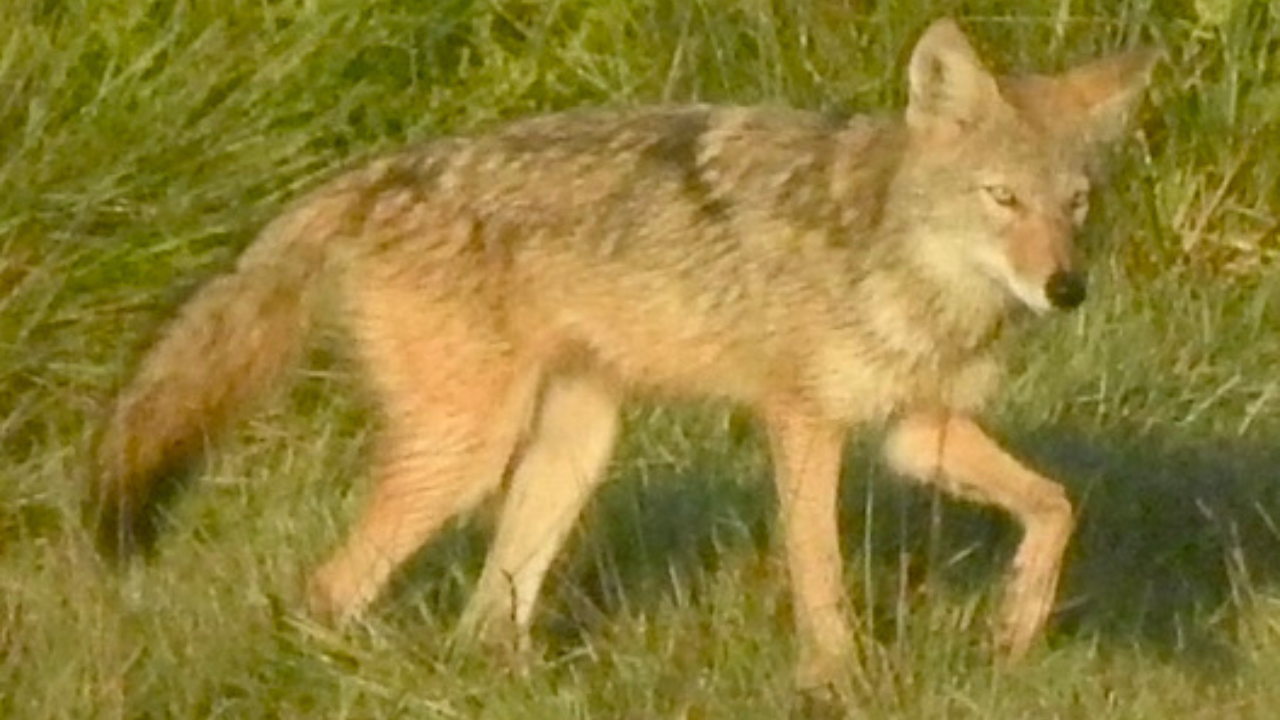
Researchers examined two unusual canids from Galveston Island, Texas, in 2018 and found that the animals were not pure red wolves. Their DNA showed a mixture of ancestry, largely associated with coyotes, but they also carried genetic variants linked to red wolves. The finding came 38 years after the U.S. Fish and Wildlife Service declared the red wolf extinct in the wild in 1980. The study analyzed more than 7,000 genetic markers from the two Galveston animals and compared them with 60 reference canids. Researchers found extensive sharing of red wolf-specific genetic variants, sometimes described as “ghost alleles,” which suggested that genetic material from historical red wolf populations had persisted through generations of hybridization along the Gulf Coast. The 2018 research was reported by Princeton University alongside the peer-reviewed study. The DNA revealed something rather complicated: animals that looked broadly coyote-like had retained pieces of a population thought to have disappeared from the region.
Get breaking news anytime, anywhere. Download the TOI app now!













