
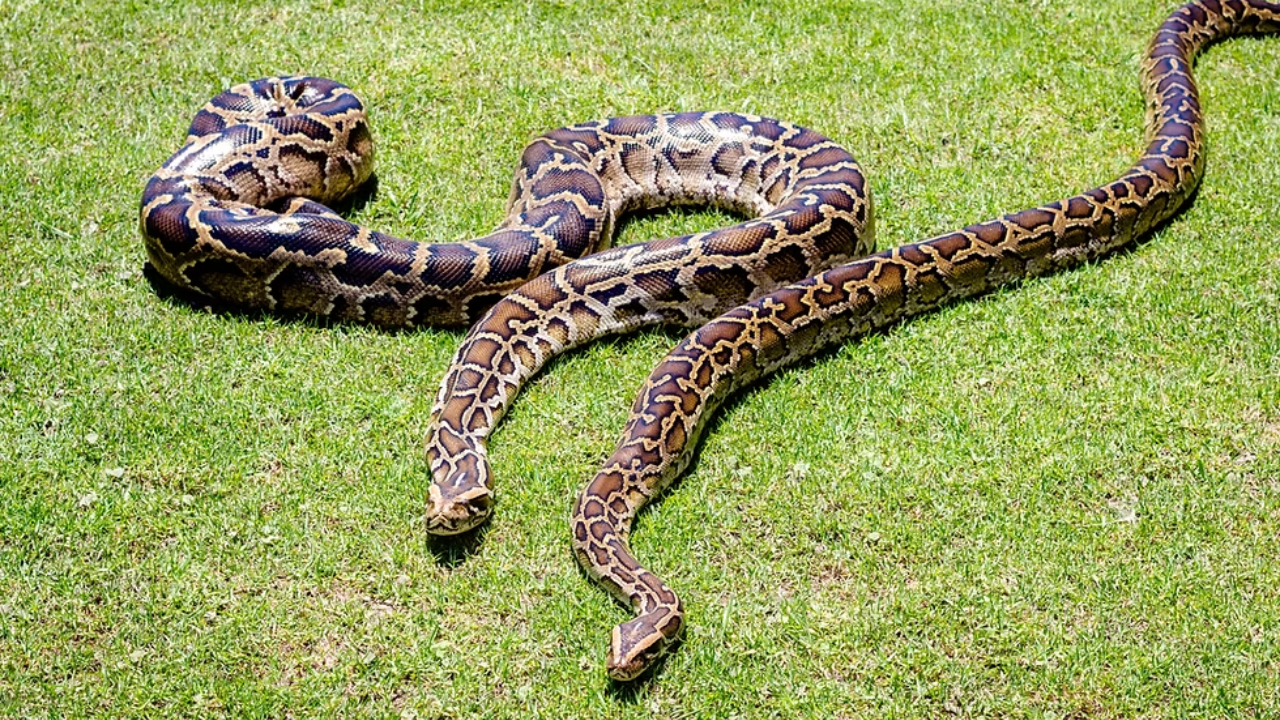
Imagine fitting a satellite-linked tracker to a giant constrictor and expecting a steady stream of locations. Scientists did exactly that with 13 Burmese pythons in Everglades National Park, and the results published in 2018 were both disappointing and encouraging. The devices recorded a position only 18.1 per cent of the time they tried, yet the data that did arrive was remarkably precise and far more frequent than older methods allowed. In wildlife management, snake research, or tracking technology, these findings explain what works, what fails, and what researchers recommend changing before the next attempt to follow these elusive snakes. The study also offers practical lessons for improving future tracking efforts involving large, elusive reptiles in difficult environments.
Get breaking news anytime, anywhere. Download the TOI app now!















