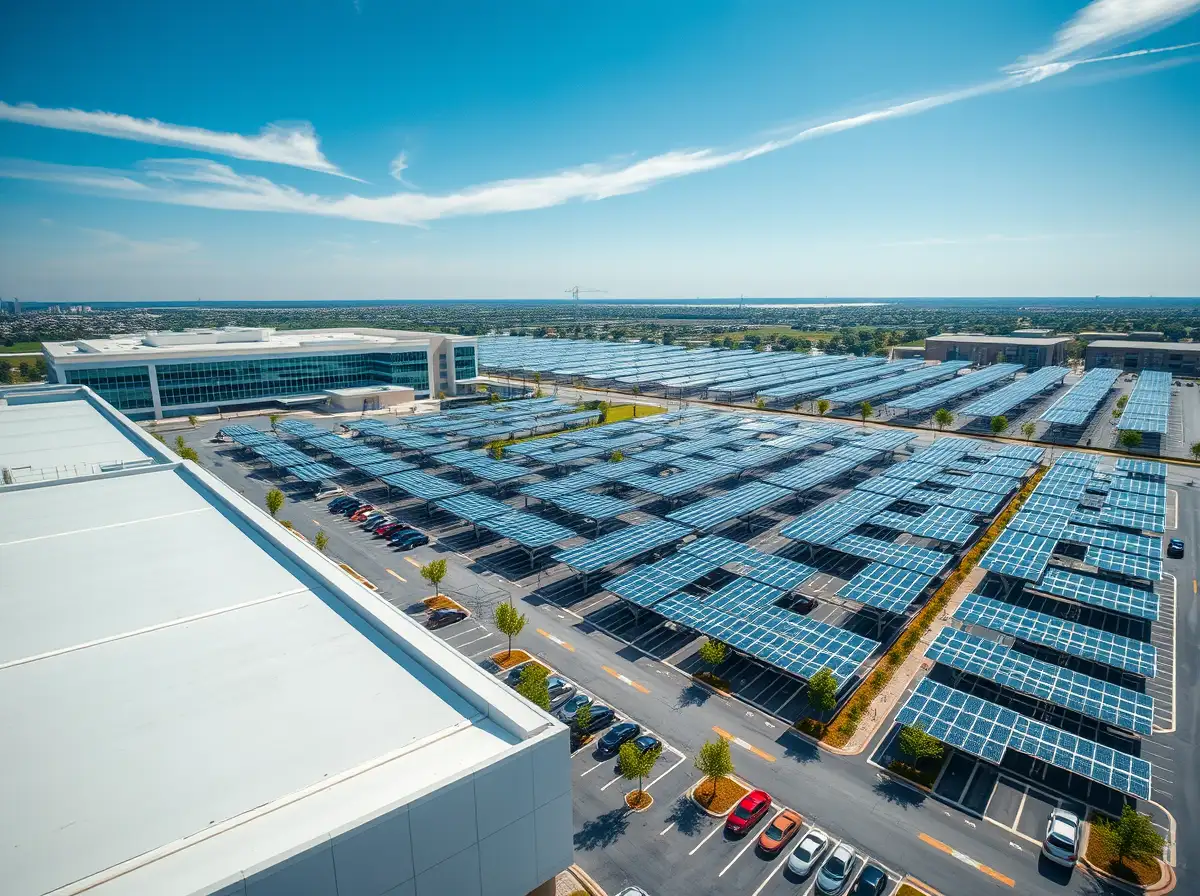
California’s Kaiser Permanente Santa Rosa Medical Office Building has become a compelling example of how healthcare facilities can combine patient care with ambitious climate goals. Opened in 2018, the three-story, 8,110-square-meter facility in Santa Rosa was designed around a simple but powerful idea: dramatically reduce energy demand while replacing fossil-fuel systems with electricity and renewable power. According to the World Green Building Council (WorldGBC), the project achieved roughly a 40% reduction in annual energy use compared with a code-compliant baseline and eliminated fossil-fuel combustion on-site.
The achievement is particularly significant because medical buildings are traditionally energy-intensive facilities. Clinics require lighting, heating and cooling, ventilation, medical equipment, laboratories, imaging services and other systems that can operate for long hours. Rather than accepting conventional energy consumption as inevitable, Kaiser Permanente's Santa Rosa project incorporated efficiency into the building's fundamental design. The facility provides primary-care services including family medicine, obstetrics, gynecology, dermatology and podiatry, along with imaging, laboratory and pharmacy functions.