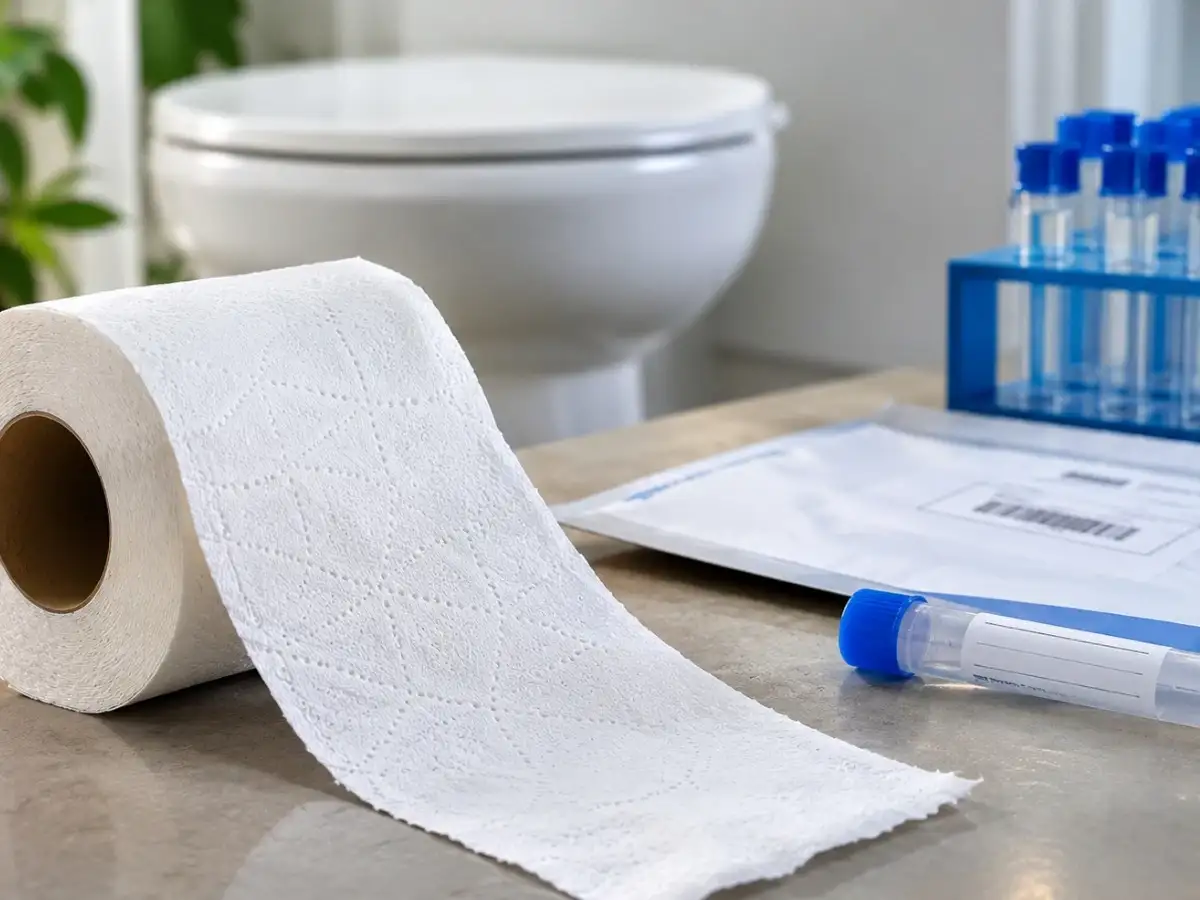
In 2018, 11,336 people in the United States, the United Kingdom, and dozens of other countries mailed in swabs taken from used toilet paper as part of that research effort. "American Gut" is the project's official name, even though its participant base was international. That batch of 15,096 samples became the largest publicly available dataset on the human gut microbiome at the time, and it found far more bacterial diversity than any smaller study had before, according to the University of California San Diego. According to the University of California San Diego, which ran the Center for Microbiome Innovation project, the findings were published in the open-access journal mSystems in May 2018 in a paper that still survives in the National Institutes of Health's National Library of Medicine.
This was not a small clinical trial run on a few dozen volunteers. Thousands of ordinary people, including science writer Michael Pollan, paid a $99 kit fee, filled out a survey on their diet, health history, and lifestyle, and mailed their sample to a lab: no doctor's referral, no hospital visit.