Get all your news in one place.
100's of premium titles.
One app.
Start reading
The Economic Times
The Economic Times
Team Global

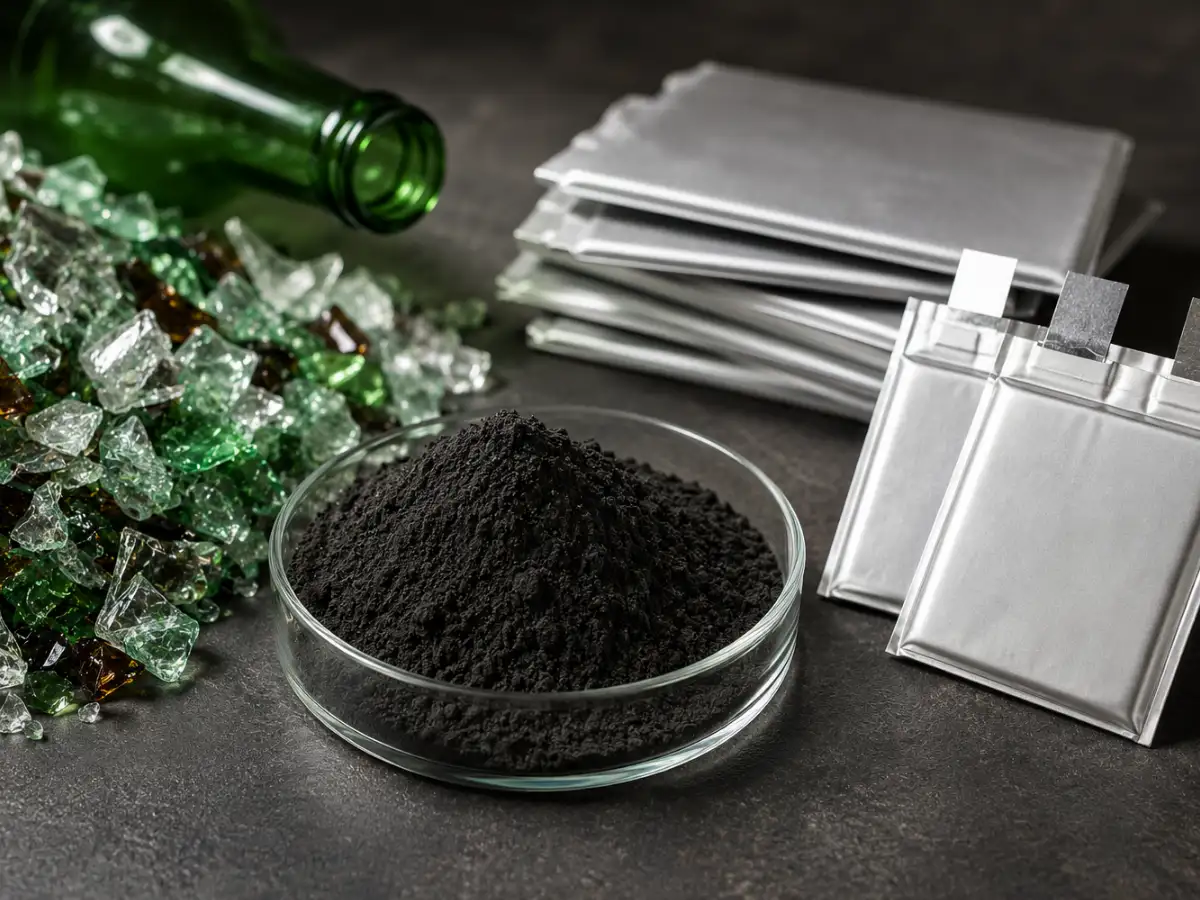
In 2017, UC Riverside turned waste glass bottles into lithium-battery anode material; one bottle could supply 3-5 pouch cells, while coin cells kept 1,420 mAh/g after 400 cycles

Most people empty the last drink from a glass bottle and toss it in the recycling bin, never thinking about it again. In 2017, a team of engineers at UC Riverside took one such bottle and turned it into battery material. UC Riverside's official research announcement explains that the team at UC Riverside's Bourns College of Engineering turned waste glass into anode material for lithium-ion batteries. The article says one bottle can create either hundreds of coin cells or three to five pouch cells. The batteries made from the glass bottle had a capacity of 1,420 mAh/g after 400 charge cycles, a figure reported in the underlying Scientific Reports study. For readers conscious of phone use and waste, those numbers are worth unpacking.

A landfill problem hiding in plain sight

Part of the reason this research matters comes down to sheer volume. According to the United States Environmental Protection Agency, the United States produced 12.3 million tons of glass in 2018, 7.6 million tons of which were dumped into landfills in the same year, comprising 5.2 percent on average of all landfill inputs across the country. Glass does not biodegrade. It can persist for a very long time, so UC Riverside set out to find a new use for it.

Sign up to read this article
Read news from 100's of titles, curated specifically for you.
Already a member? Sign in here
Related Stories
Top stories on inkl right now
One subscription that gives you access to news from hundreds of sites
Already a member? Sign in here
Our Picks
Fourteen days free
Download the app
One app. One membership.
100+ trusted global sources.