
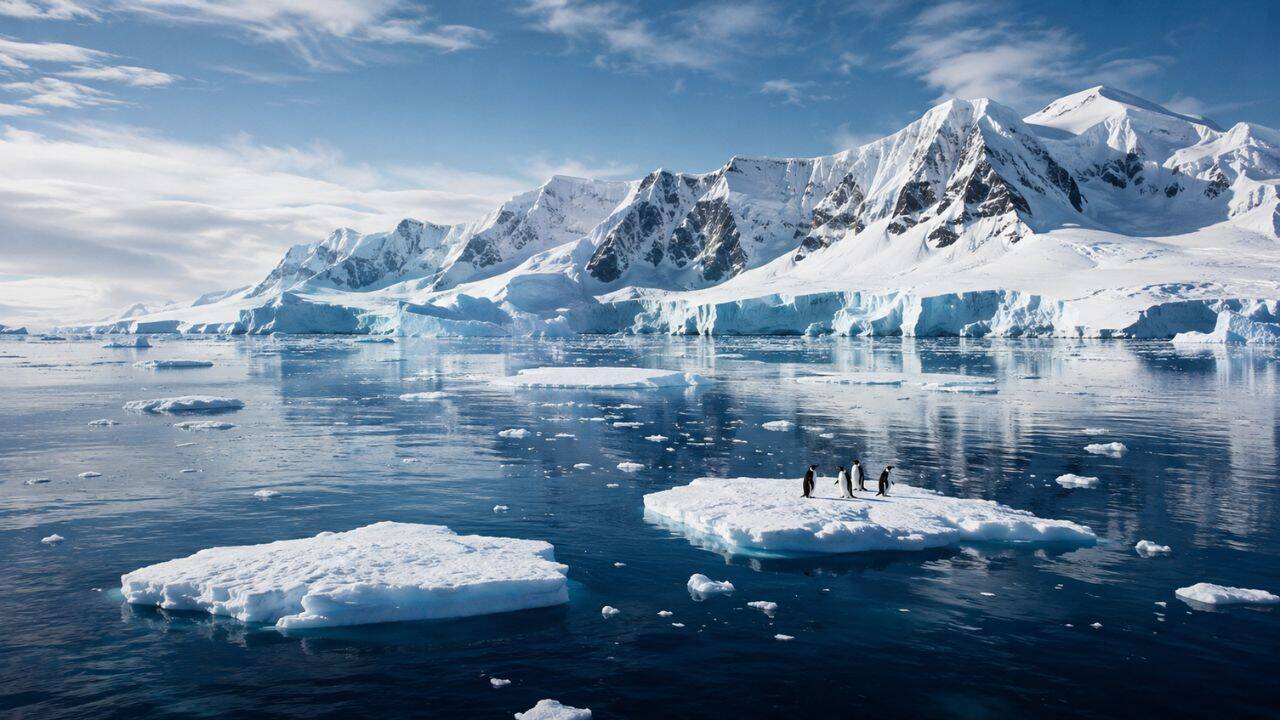
International conservation agreements rarely come together quickly. They tend to move through years of scientific review, political disagreement and repeated rounds of negotiation before anyone reaches a final decision. The Ross Sea Region Marine Protected Area was no exception, an agreement that turned a vast stretch of the Southern Ocean around Antarctica into the largest marine reserve ever created at the time. The decision, reached in October 2016, capped off a lengthy international effort involving scientists, diplomats and environmental organisations. It was celebrated as a landmark for ocean conservation, but the negotiations behind it show just how hard it can be for dozens of countries to agree unanimously on protecting shared natural resources. Covering approximately 1.55 million square kilometres, the reserve safeguards one of the world's most pristine marine ecosystems, home to penguins, seals, whales and the Antarctic toothfish. Scientists view the protected area as a valuable natural laboratory for studying climate change, biodiversity and the long-term health of Southern Ocean ecosystems with minimal human disturbance.
Get breaking news anytime, anywhere. Download the TOI app now!












