Get all your news in one place.
100's of premium titles.
One app.
Start reading
The Economic Times
The Economic Times
National
Piyush Shukla

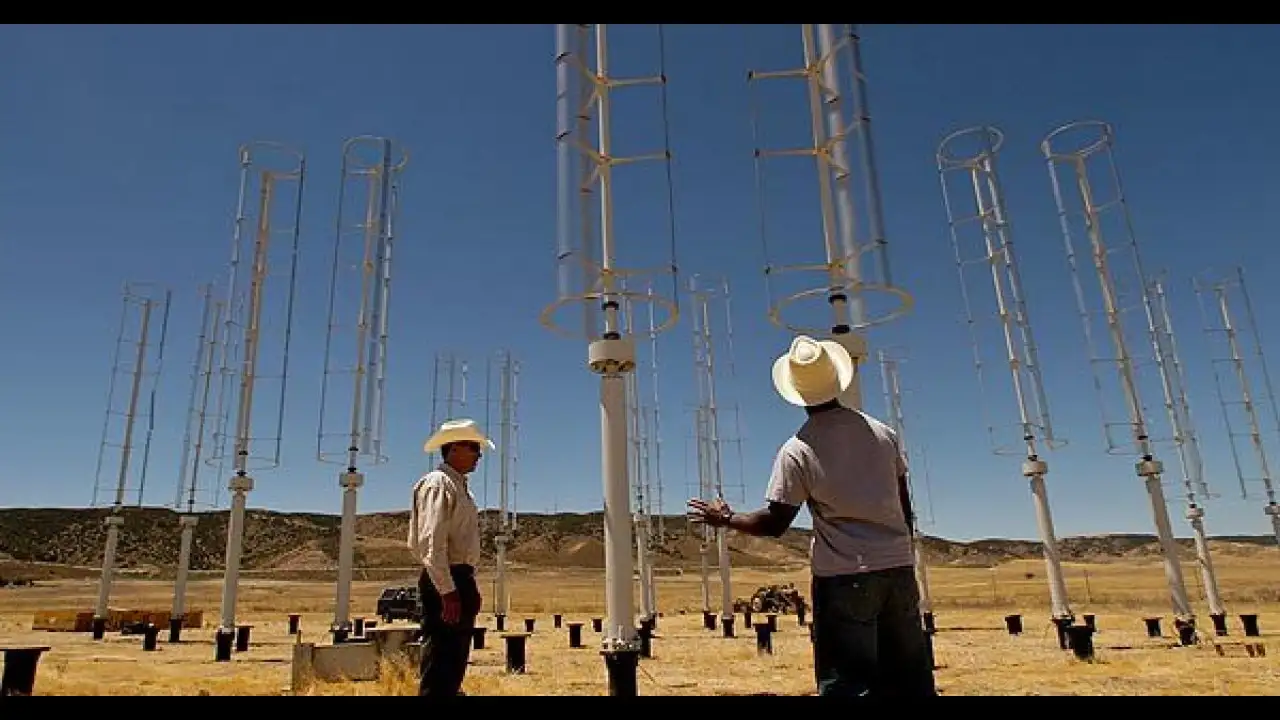
In 2010, Caltech used fish-school patterns to arrange 6 wind turbines. One year later, tests showed the design could deliver 10 times more power per unit of land

In 2010, Caltech researcher John Dabiri looked at schooling fish and saw a solution to renewable energy’s biggest spatial problem. Traditional wind farms require massive distances between giant propellers to avoid disruptive air turbulence. This wide spacing severely limits how much electricity a single plot of land can generate.

By placing compact, vertical-axis turbines close together in counter-rotating pairs, Dabiri mirrored the fluid dynamics of fish swimming in formation. Instead of fighting wake turbulence, adjacent turbines absorbed the swirling air currents created by their neighbors to generate additional power.
Sign up to read this article
Read news from 100's of titles, curated specifically for you.
Already a member? Sign in here
Related Stories
Top stories on inkl right now
One subscription that gives you access to news from hundreds of sites
Already a member? Sign in here
Our Picks
Fourteen days free
Download the app
One app. One membership.
100+ trusted global sources.