Get all your news in one place.
100's of premium titles.
One app.
Start reading
The Economic Times
The Economic Times
Debjit Sinha and ET Science Desk

In 2009, Edward Norton ran the New York Marathon to back a Kenya conservation trust; its work now directly protects 283,000 acres of Maasai land

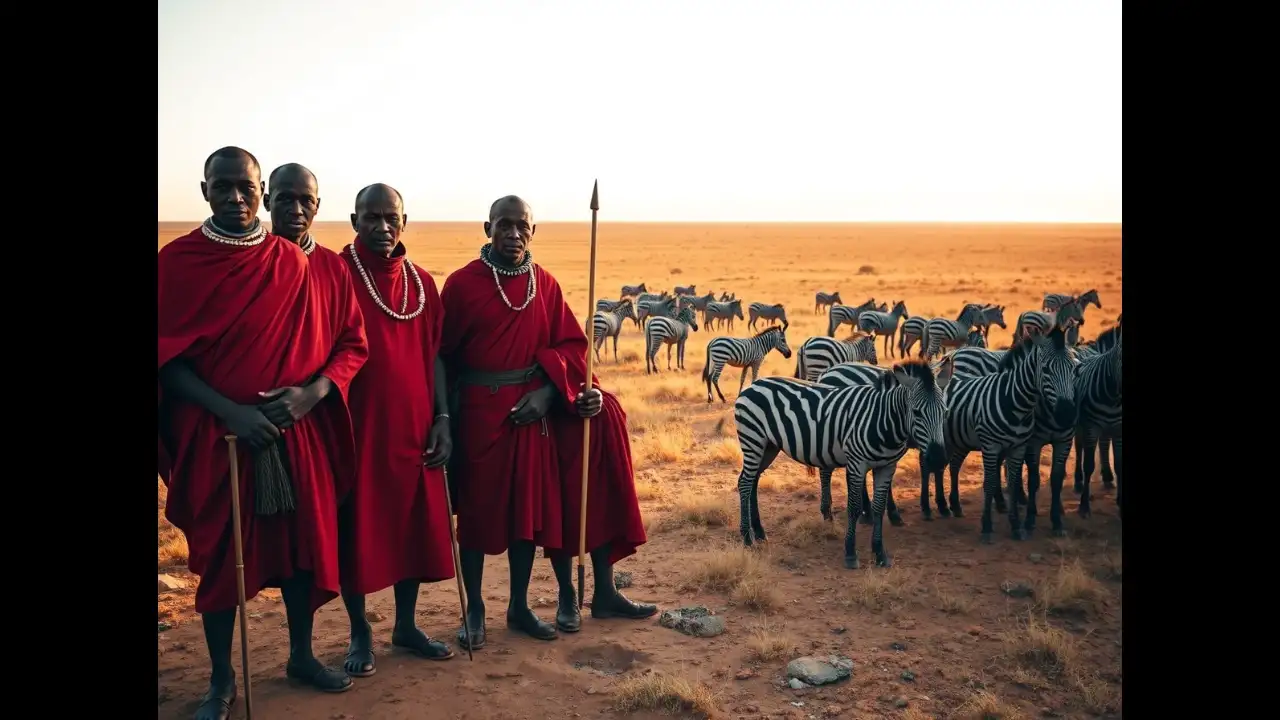
In 2009, Edward Norton ran the New York Marathon to back a Kenya conservation trust; its work now directly protects 283,000 acres of Maasai land. What began as a highly visible fundraising effort has become part of a much larger story about community-led conservation, wildlife protection and the relationship between people and the landscapes they depend upon. Norton, an actor with a long-standing interest in environmental conservation, joined three Maasai runners and a wider team of participants for the ING New York City Marathon on November 1, 2009.

The campaign was designed not simply to put a celebrity face on conservation, but to raise awareness and financial support for the Maasai Wilderness Conservation Trust (MWCT), a Kenya-based organization focused on biodiversity, community development, education and health. Contemporary reporting described the marathon as an effort to connect an iconic global sporting event with the protection of East African ecosystems.

Norton’s connection with MWCT

Norton’s connection with MWCT had developed years before the marathon. According to the organization, he first encountered the Trust after traveling to Kenya to climb Mount Kilimanjaro and became deeply interested in its approach to conservation. By 2006, he was officially supporting the organization, and in 2007 he became president of its U.S. board. The Trust’s 2023 historical record identifies the 2009 New York City Marathon as a major milestone in its development.

READ ALSO: In 2015, Beyonce accepted about $6 million in Uber stock instead of cash for a performance; 4 years later, the company went public at an $82 billion valuation

Contemporary reports from AECOM and Garmin said Norton led a group of 30 runners, including three Maasai warriors, in an effort combining corporate sponsorship, grassroots fundraising and public awareness. The campaign demonstrated how conservation could be communicated beyond traditional environmental circles, bringing the challenges facing Maasai lands and wildlife into one of the world’s most recognizable cities.

The fundraising campaign also highlighted a fundamental principle that remains central to MWCT: protecting wildlife works best when conservation creates meaningful benefits for the communities living alongside that wildlife. The Trust describes its mission as conservation that directly benefits local Maasai communities, with programs spanning wildlife security, habitat protection, education, health, livelihoods and sustainable economic opportunities.

Rather than treating wilderness and community development as separate goals, its model connects them. Conservation can provide employment, support land management and create incentives for protecting natural resources, while healthy ecosystems can sustain wildlife, tourism and other sources of local economic value. This community-based approach is particularly important in landscapes where livestock, farming, wildlife and conservation priorities frequently overlap.

Sign up to read this article
Read news from 100's of titles, curated specifically for you.
Already a member? Sign in here
Related Stories
Top stories on inkl right now
One subscription that gives you access to news from hundreds of sites
Already a member? Sign in here
Our Picks
Fourteen days free
Download the app
One app. One membership.
100+ trusted global sources.