Get all your news in one place.
100's of premium titles.
One app.
Start reading
The Times of India
The Times of India
World
TOI World Desk

In 2008, a Texas couple bought an overgrazed ranch and removed its cattle; 19,300 restored acres later, its turkey population had climbed from fewer than 50 to more than 500

In a landscape shaped for generations by cattle grazing, one Texas couple took a different approach to managing their newly acquired ranch. Instead of treating the land only as pasture, they began restoring its grasses, trees, water sources and wildlife habitat. Over time, the effort showed how land management can affect the species that depend on it.

Get breaking news anytime, anywhere. Download the TOI app now!

A ranch gives its land a second chance

According to Texas Parks & Wildlife Magazine , Mike and Mary Terry purchased an overgrazed property in 2008 and began restoring it to native grassland, eventually expanding their efforts across 19,300 acres. Within six months of acquiring the ranch, they sold their cattle to give the pastures time to recover. Cattle were reintroduced in 2015 under a more carefully managed grazing system.

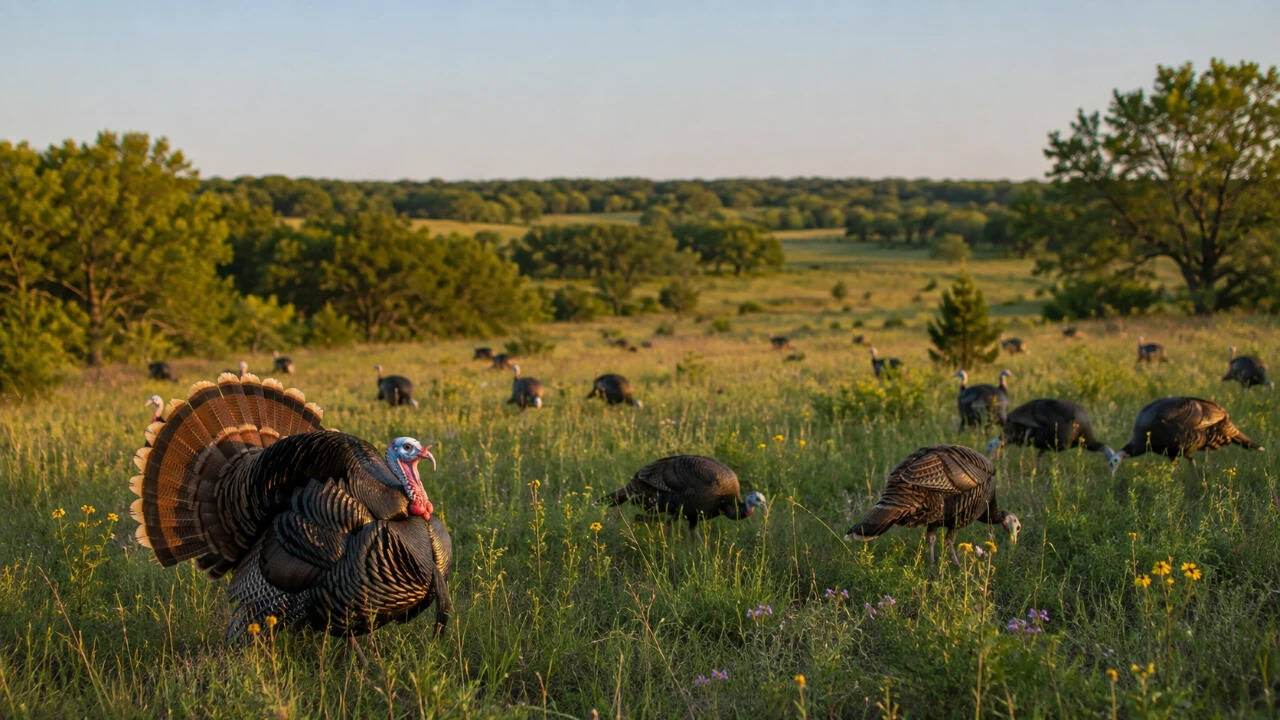
As the habitat improved, wildlife began returning to the property, including Rio Grande wild turkeys. The ranch's turkey population grew from fewer than 50 birds to more than 500, alongside improvements in grassland, tree cover and water sources. The recovery was not simply the result of removing cattle. Over the years, the Terrys combined periods of rest with controlled grazing, tree planting, water management and other habitat-restoration practices, creating conditions that allowed both the land and its wildlife to recover.

From overgrazed pasture to varied habitat

After purchasing the ranch, the Terrys sold their cattle within months, giving heavily grazed pastures time to recover. Cattle were later reintroduced under a more carefully managed grazing system, alongside efforts to improve water sources and wildlife habitat. This approach is consistent with research published in the Journal of Wildlife Management , which examined habitat selection by Rio Grande wild turkeys in the Texas Panhandle and southwestern Kansas. The study found that turkeys selected areas with riparian vegetation, while females preferred nongrazed pastures for nesting at two study sites. It also found that light to moderate grazing followed by periods of rest did not reduce pasture use by male turkeys, suggesting that well-managed grazing can coexist with suitable turkey habitat.

At MT7, restoration extended beyond grazing management. The Terrys planted trees including cedar elm, cottonwood and live oak, particularly around waterways, while more than 200 lakes and ponds have been maintained or created across the property. These changes have added vegetation, water and wetland habitat to the landscape, benefiting a range of wildlife. In addition to the ranch's growing Rio Grande wild turkey population, deer, quail, waterfowl, beavers and river otters have also been reported using the restored habitat. Together, the changes show how a working ranch can combine managed grazing with habitat restoration to create a more diverse landscape.

Why the turkey increase matters

Wild turkey populations can fluctuate with rainfall, food availability, nesting conditions and broader changes in the landscape. A study published by the Southeastern Association of Fish and Wildlife Agencies found that male Rio Grande wild turkeys in South Texas used herbaceous and woody riparian habitats disproportionately during drought and were more likely to occur near supplemental resources such as water and food. The findings highlight how access to vegetation and water can become particularly important for turkeys when environmental conditions are difficult.

The increase in turkeys at MT7 is part of a broader recovery of the ranch's habitat. Rather than removing cattle permanently, the Terrys incorporated grazing into a wider conservation strategy, using controlled grazing alongside vegetation management, tree planting and improvements to water resources. These efforts have helped create a landscape that supports both ranching and wildlife. The work was recognised in 2024, when Mike and Mary Terry received the Texas Leopold Conservation Award for their efforts to improve the health and productivity of their land while maintaining it as a working ranch.

The MT7 story also illustrates how wildlife recovery can become part of a working ranch rather than requiring agriculture to be removed altogether. The ranch combines rotational grazing with prescribed burning, habitat restoration, water management and targeted wildlife practices, while maintaining cattle production. Its 55 quail management areas, restored wetlands and riparian areas provide additional habitat for birds and other wildlife. The ranch has also become a site for conservation research and an outdoor classroom where other landowners, students and conservation groups can observe these management practices in the field.

Sign up to read this article
Read news from 100's of titles, curated specifically for you.
Already a member? Sign in here
Related Stories
Top stories on inkl right now
One subscription that gives you access to news from hundreds of sites
Already a member? Sign in here
Our Picks
Fourteen days free
Download the app
One app. One membership.
100+ trusted global sources.