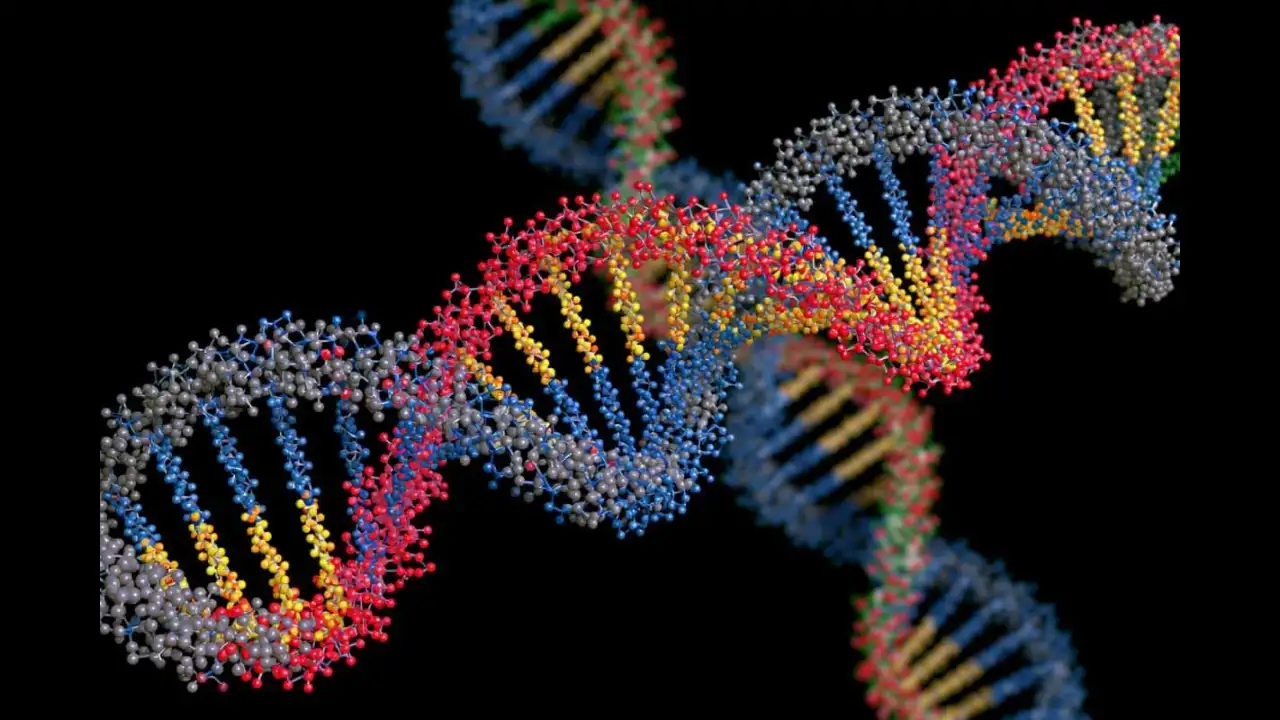
A tiny strand of DNA did something far removed from its usual job inside living cells. Researchers at the University of Illinois used it to recognize lead ions. The DNA could trigger a fluorescent signal when lead was present in a sample. That idea offered a different route toward detecting a dangerous contaminant without relying entirely on large laboratory instruments.
The work came from chemistry professor Yi Lu and graduate student Jing Li. Their study appeared in the Journal of the American Chemical Society in October 2000. Instead of treating DNA only as genetic material, the researchers used it as a tiny chemical tool. Their goal was to create a lead sensor that could eventually work closer to the place contamination was found.