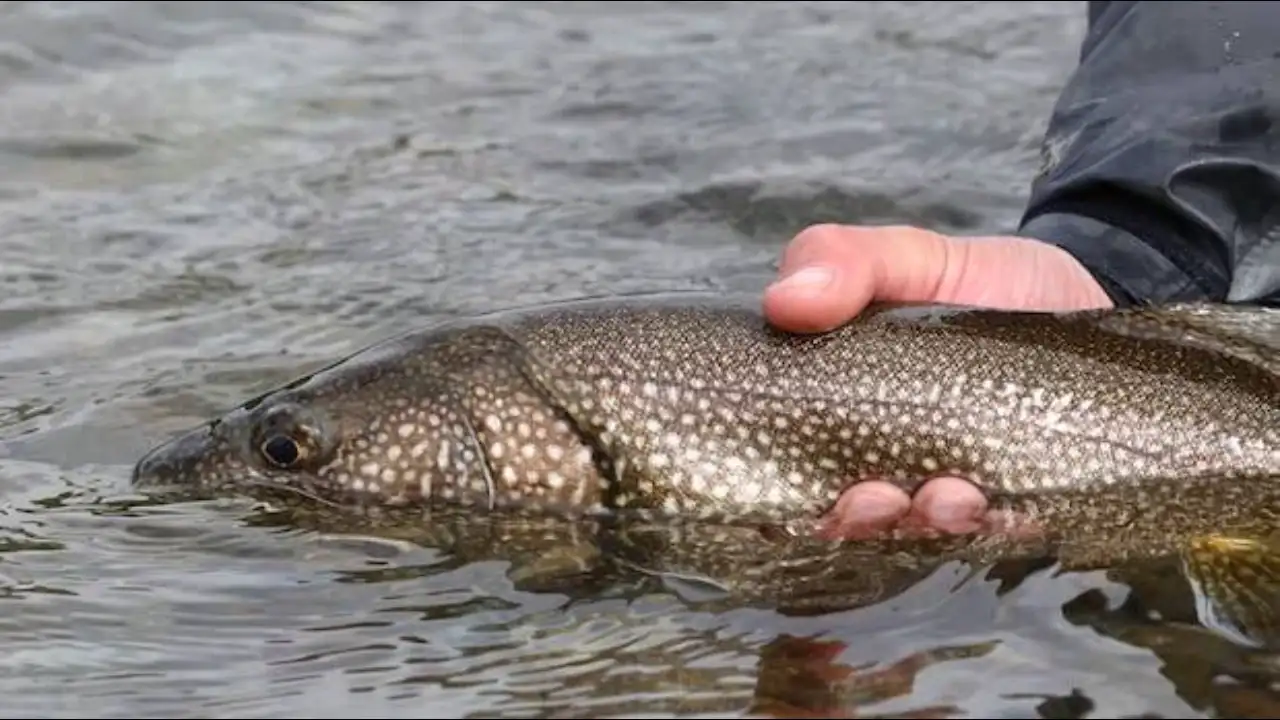
A pesticide banned more than 50 years ago once made eating fish from Keuka Lake a health concern. DDT had largely disappeared from farm use, but its residues remained in soil around the watershed. Heavy rain could move that soil toward streams and eventually into the lake. That made erosion an important part of a pollution problem that seemed to belong to another era.
Keuka Lake sits in New York’s Finger Lakes region and supports fishing, tourism and drinking water needs. The lake covers about 11,800 acres and reaches roughly 185 feet at its deepest point. Its surrounding watershed spans about 100,000 acres, including forests, farms and vineyards. For people living and working around the lake, water quality is tied closely to what happens on the land.