Get all your news in one place.
100's of premium titles.
One app.
Start reading
The Economic Times
The Economic Times
Team Global

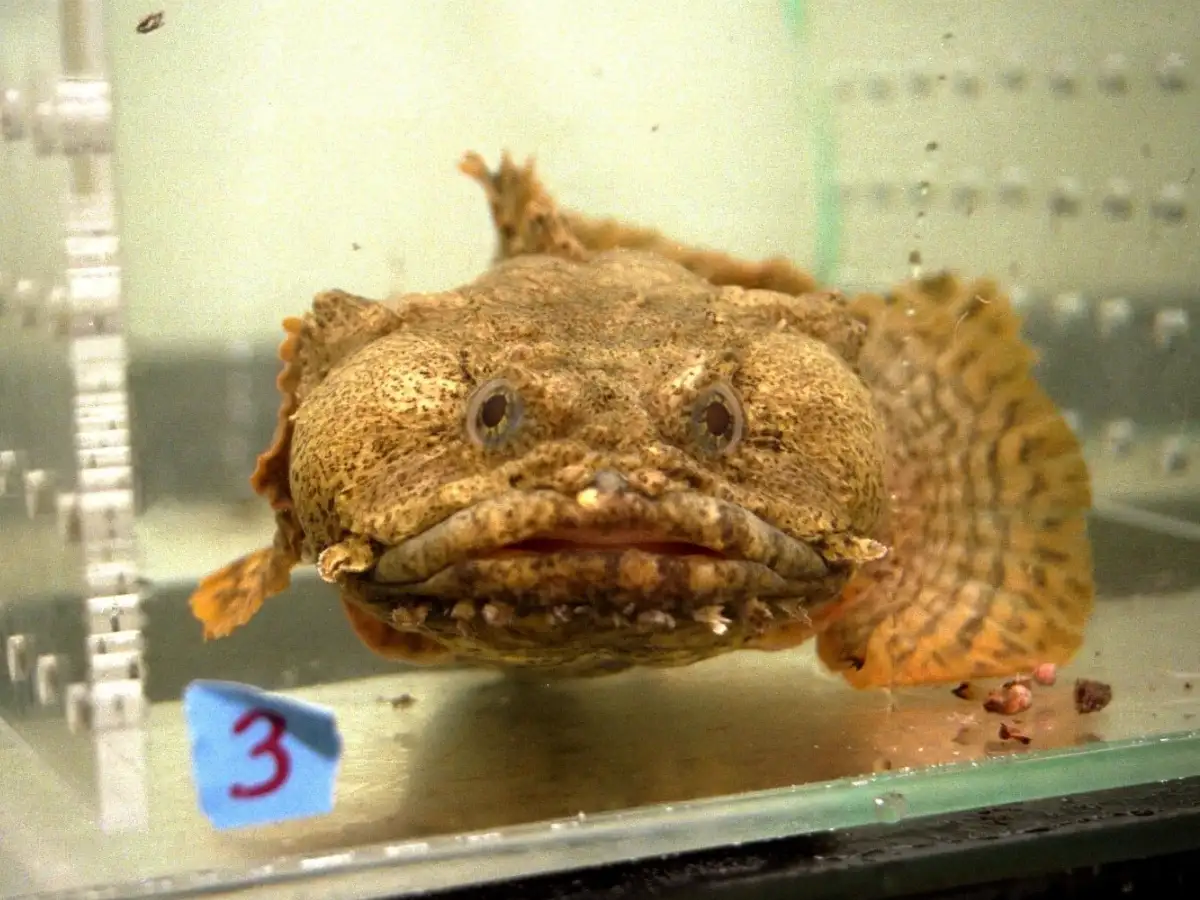
In 1998, NASA sent oyster toadfish into space on Space Shuttle Columbia; over 16 days in orbit, researchers studied how their balance systems adapted to microgravity

A group of saltwater toadfish went aboard Columbia in April 1998. No one watching the launch would have guessed that fish were part of the cargo. Over the 16 days, changes inside their inner ears gave scientists a rare direct view of how a nervous system changes in microgravity. NASA's mission, STS-90 Neurolab, took off on April 17. It came back to Kennedy Space Center on May 3. It received less public attention than missions with a moon landing or a spacewalk, but inside the science world, it drew significant attention.

Why toadfish, of all creatures, made the cut

A fish that lives in the mud along the coast of the United States seems like a strange choice for a NASA mission payload. They are hardy bottom-dwellers, live on the bottom, and are mostly known by fishermen as something to put back into the water. The oyster toadfish, Opsanus tau, has an ear that is almost exactly like a mammal's, including humans. Its vestibular system, the part that detects movement, balance, and direction, works on the same basic wiring that our own ears use. This made it a useful model for human biology.

That is why researchers at Washington University School of Medicine in St. Louis, led by Dr. Stephen Highstein, selected the species. Studying it could show how astronauts' brains change once the body loses its sense of up and down. This is something that's very hard to study directly in people, since you can't exactly put sensors into an astronaut's inner ear while they are flying. Neurolab was not an experiment added onto a bigger mission. It was a dedicated Spacelab science mission, in fact, the final flight of the Spacelab module before it was retired. It included 26 experiments on the brain and nervous system, run by scientists from nine countries. The toadfish study was one part of this larger project, but it turned out to be one of the most revealing. This is because sensors can be attached to a toadfish ear more easily than to a human skull.

Sign up to read this article
Read news from 100's of titles, curated specifically for you.
Already a member? Sign in here
Related Stories
Top stories on inkl right now
One subscription that gives you access to news from hundreds of sites
Already a member? Sign in here
Our Picks
Fourteen days free
Download the app
One app. One membership.
100+ trusted global sources.