Get all your news in one place.
100's of premium titles.
One app.
Start reading
The Economic Times
The Economic Times
Shreya Biswas

In 1992, Congress backed a plan to dechannelize Florida's Kissimmee River and restore its watershed. 28 years later, the project had restored 19 of 44 river miles and 6,500 acres of floodplain wetlands, with wildlife returning

The Kissimmee River in central Florida was once a winding waterway stretching roughly 100 miles through a floodplain as wide as two miles. Seasonal rains regularly covered the floodplain, creating habitat for wetland plants, fish, and wading birds.

The flooding also affected nearby communities. After Florida officials began seeking federal help in the 1950s, the US Army Corps of Engineers was eventually tasked with cutting and dredging the river as part of a broader South Florida water-management program, as per a report.

The work reduced flooding, but it also damaged the river's floodplain ecosystem. Years later, the focus shifted toward repairing that damage. Congress approved a restoration project in 1992 that called for the river to be dechannelized and its wider watershed restored, as per an USACE report.

READ ALSO: Along a 27-mile ring road, 8 million plants are climbing 2,000 concrete columns, fed by recycled rainwater from the road above, turning 15 acres of dead infrastructure into vertical gardens seen by drivers

From flood control to restoration

The push to restore the Kissimmee gained momentum after the Clean Water Act of 1972 and a 1976 Florida law focused on water quality in the Kissimmee River Basin.

The Corps spent the following decade studying restoration options while trying to balance competing concerns. Environmentalists wanted the marshlands restored, while farmers and ranchers worried that renewed flooding could affect agricultural activities.

By the late 1980s, the plans had expanded beyond the river's main stem to include the entire basin.

State officials and the South Florida Water Management District supported the broader effort. Chief of Engineers Lt. Gen. Henry J. Hatch also worked with U.S. Senator Bob Graham of Florida to pursue congressional authorization and funding, as per the USACE report.

Under the Water Resources Development Act of 1990, the Corps conducted another study, held hearings and submitted a report to Congress on the feasibility of restoring the river. Congress approved the project through the 1992 WRDA.

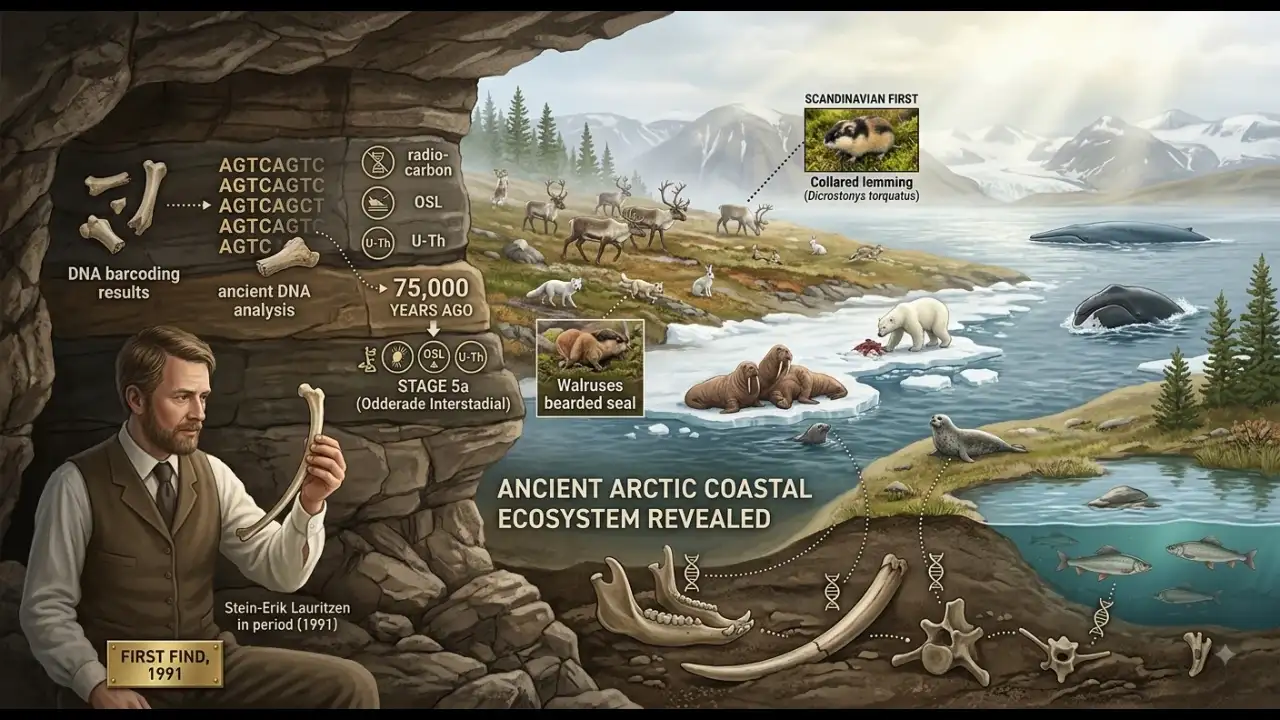
READ ALSO: In 1991, a Norwegian geologist found one ancient polar bear bone. 34 years later, 6,000 bones revealed a 75,000-year-old Arctic community

The wetlands began coming back

The restoration went beyond removing the artificial channel. The Corps committed to repairing the wider Kissimmee River watershed.

By 2010, continuous water flows had been restored along about 19 of the river's 44 miles, while 6,500 acres of floodplain wetlands had been restored.

The natural response exceeded expectations. Several species that had not appeared in surveys before construction returned to the restored areas. They included the ring-necked duck, American avocet and black-necked stilt, along with other ducks and wading birds.

The project helped shape a larger Everglades effort

The Kissimmee restoration eventually became a model for ecosystem management in South Florida. In 2000, the Corps launched the Comprehensive Everglades Restoration Plan, or CERP, a much broader initiative intended to restore, preserve and protect the south Florida ecosystem while also addressing water supply and flood protection.

With a cost of more than $10.5 billion and a timeline extending over several decades, CERP became the largest restoration project ever undertaken in the United States, as per the USACE report.

By 2018, $1.2 billion in federal funds had been allocated to CERP, in addition to billions from federal and state sources for other Everglades restoration programs and projects.

READ ALSO: In 15 days, Cornell-engineered bacterium broke down olivine and extracted 75% of its magnesium, while releasing nickel and cobalt and forming a carbon-storing mineral that could link mine waste to cleaner batteries

Sign up to read this article
Read news from 100's of titles, curated specifically for you.
Already a member? Sign in here
Related Stories
Top stories on inkl right now
One subscription that gives you access to news from hundreds of sites
Already a member? Sign in here
Our Picks
Fourteen days free
Download the app
One app. One membership.
100+ trusted global sources.