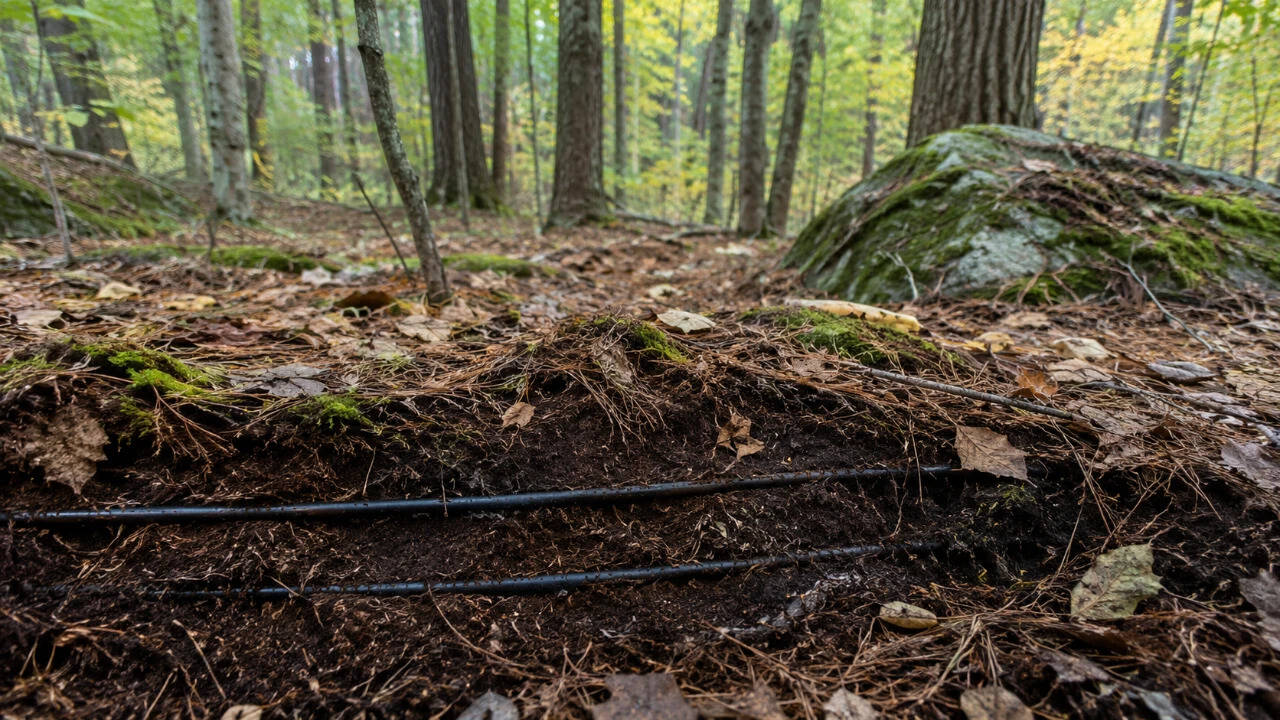
Beneath a Massachusetts forest, scientists had been deliberately warming the soil for more than two decades to study how rising temperatures affected the carbon stored underground. According to Harvard Forest , the experiment began in 1991 at the Prospect Hill Tract in Petersham, Massachusetts, within an even-aged mixed hardwood forest. Researchers established heated plots alongside control plots and used resistance cables buried about 10 cm below the soil surface to keep the warmed plots roughly 5°C above ambient soil temperatures. By the time of a major study published in 2017, the experiment had provided 26 years of observations on soil respiration, carbon dioxide emissions, soil moisture, nitrogen cycling and other processes, allowing researchers to examine how sustained warming altered the forest’s underground carbon and nitrogen cycles.
Get breaking news anytime, anywhere. Download the TOI app now!