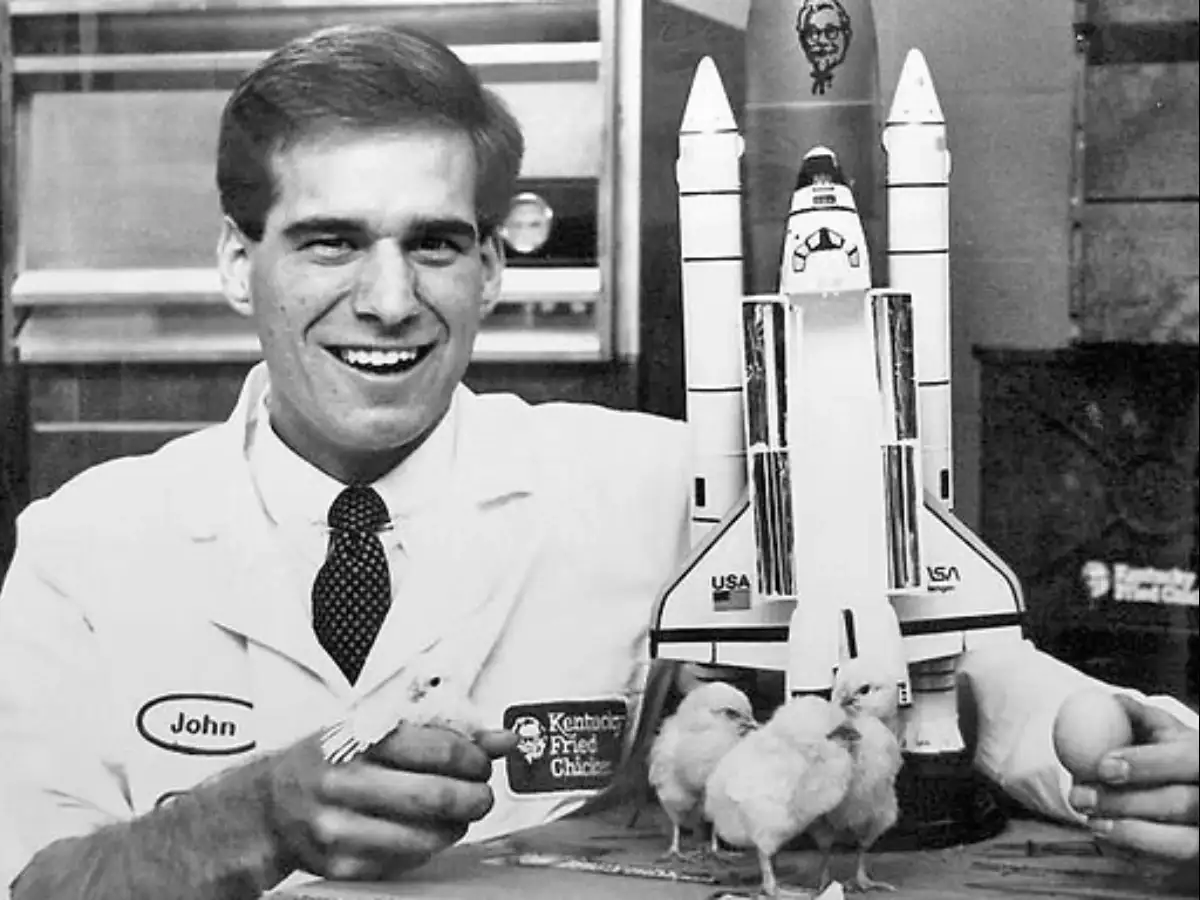
In March 1989, the space shuttle Discovery took an unusual group of passengers into orbit: 32 fertilized chicken eggs. A 1996 study titled ‘Microgravity in the STS-29 space shuttle Discovery affected the vestibular system of chick embryos’ conducted at Tulane University School of Medicine and published in the journal Histology and Histopathology divided eggs into two groups according to age. Sixteen were just two days into development, and sixteen were nine days old. All spent five days in weightlessness before Discovery landed. The results varied dramatically depending on how far each embryo had developed when the flight began.
The unlikely sponsor behind the experiment