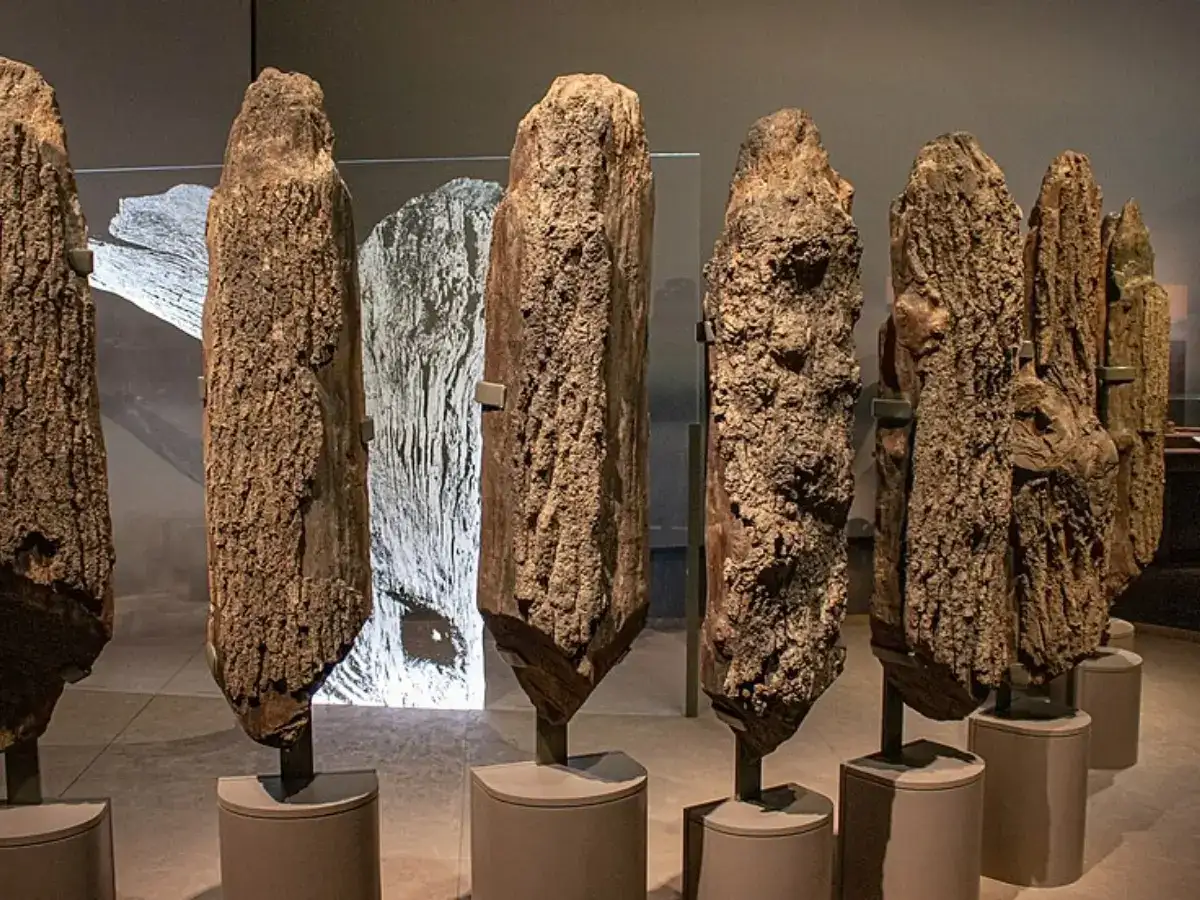
In 1998, workers on the Norfolk coast in eastern England observed something peculiar emerging through the mud during the low tide. A ring of ancient timber posts had begun to emerge from the coast. From the first observation, it seemed that little, ancient timbers eroded out of the land, but the importance of the site was not immediately apparent.
According to the findings of the University of Oxford, the discovery of Seahenge rapidly changed discussions of Bronze Age ritual landscapes in Britain. The timber construction demonstrated that there might be a much deeper connection between prehistoric ritual landscape features and the environment than had previously been suspected. That is to say, ritual constructions could have been located in working landscapes and near coastlines.