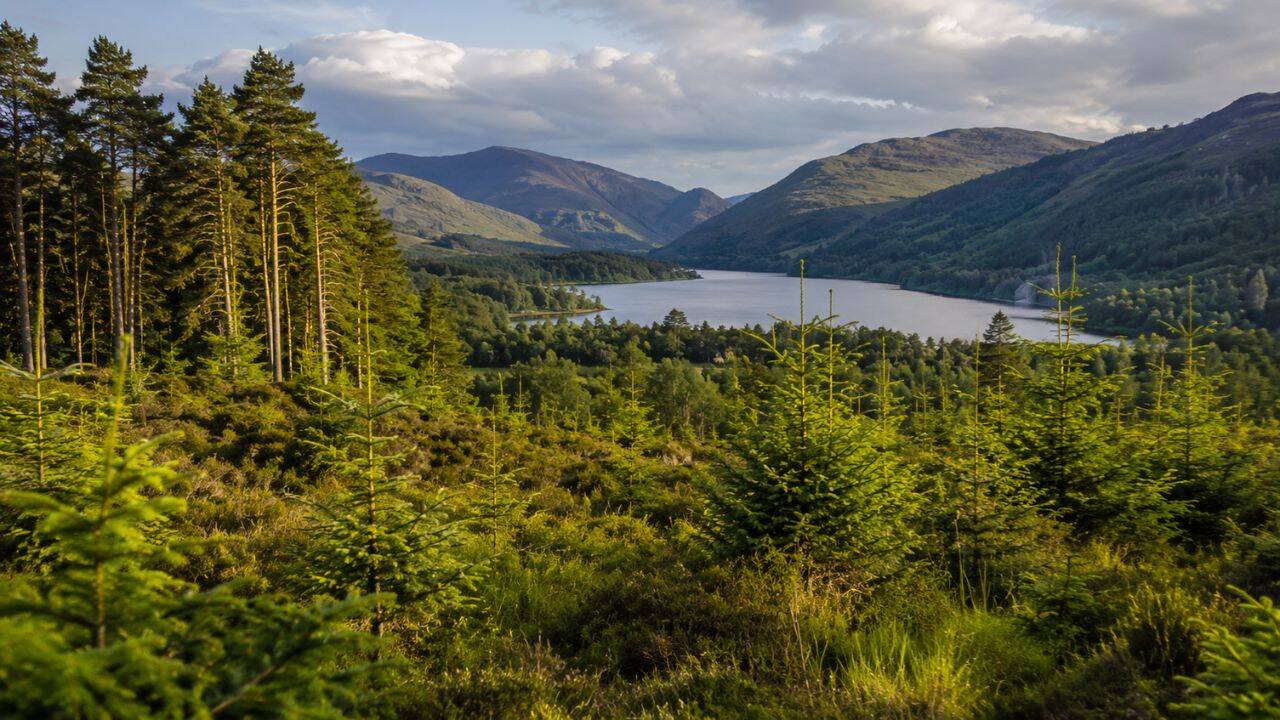
In 1986, at a conference on the global ecological crisis held in Findhorn, Scottish ecologist Alan Watson Featherstone stood before hundreds of delegates and made a public commitment. He promised to begin restoring the ancient Caledonian Forest, one of Britain's last remnants of native pine woodland. At the time, the idea was ambitious. Much of the forest had been reduced over centuries through timber extraction, grazing by deer and sheep, and fragmented land management.
What followed was not a short campaign but decades of steady work. Volunteers, conservation staff and supporters gradually turned that early promise into one of Scotland's best-known woodland restoration projects. A major milestone came in 2012, when Trees for Life announced it had completed the planting of one million native trees, marking the successful conclusion of a long-running restoration programme before launching a fresh target of another million trees over the following five years. The initiative has since focused not only on planting trees but also on restoring entire ecosystems by encouraging natural regeneration and protecting native wildlife. Today, the recovering Caledonian Forest supports species such as red squirrels, capercaillie and Scottish wildcats, while serving as a model for large-scale ecological restoration and climate resilience in the United Kingdom.