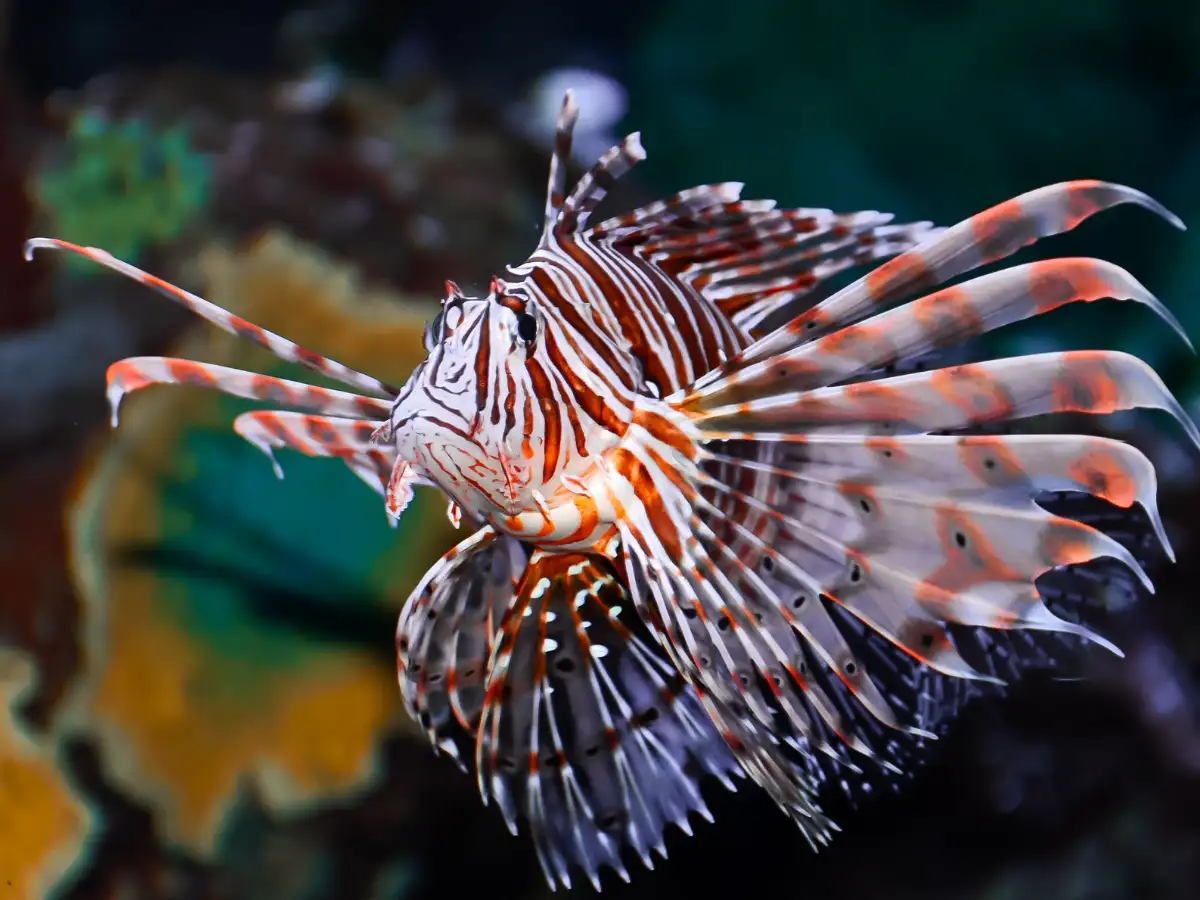
It began with one lone fish. In October 1985, a lobster fisherman hauled up a lionfish off Dania, Florida, a vivid, fan-finned creature native to the Indo-Pacific, some 10,000 miles away from home. At the time, nobody panicked. But that one fish was the opening act of what scientists now regard as one of the most alarming marine invasions ever recorded.
According to Pamela J. Schofield of the US Geological Survey, a study in Aquatic Invasions traced the chronology of the invasion and found that two Indo-Pacific lionfish species, Pterois volitans and P. miles, became established in the Western North Atlantic and Caribbean Sea. By 2009, they had spread from the Florida Keys all the way to Cape Hatteras, North Carolina, and had taken root throughout the Bahamas, Bermuda, Cuba, Jamaica, the Dominican Republic, Puerto Rico, Mexico, Honduras, and Costa Rica, according to NOAA.

A fish that piggybacked on human carelessness
The lionfish didn't come swimming here. Researchers generally attribute the invasion to the aquarium trade, though the exact release pathway is not fully documented. They were beautiful to look at, with candy-cane stripes, elaborate pectoral fins, and venomous spines, and were widely sold to hobbyists. But they are aggressive feeders that will eat every other fish in a home tank very quickly, so they are difficult to keep. Instead of finding proper solutions, many owners released them into the ocean.
Schofield's research shows the earliest authenticated US record is the 1985 Florida sighting. The next significant event was in August 1992, when Hurricane Andrew caused damage to an aquarium in South Florida, reportedly releasing six specimens into Biscayne Bay. But the 1985 sighting came seven years before that hurricane, which led researchers to think the invasion may have been a gradual process with several release events, not a single accident.