Get all your news in one place.
100's of premium titles.
One app.
Start reading
The Times of India
The Times of India
World
TOI World Desk

In 1978, Richard Branson bought a bare 74-acre Caribbean island for $180,000; it now shelters more than 140 animal species, including breeding lemurs and giant tortoises

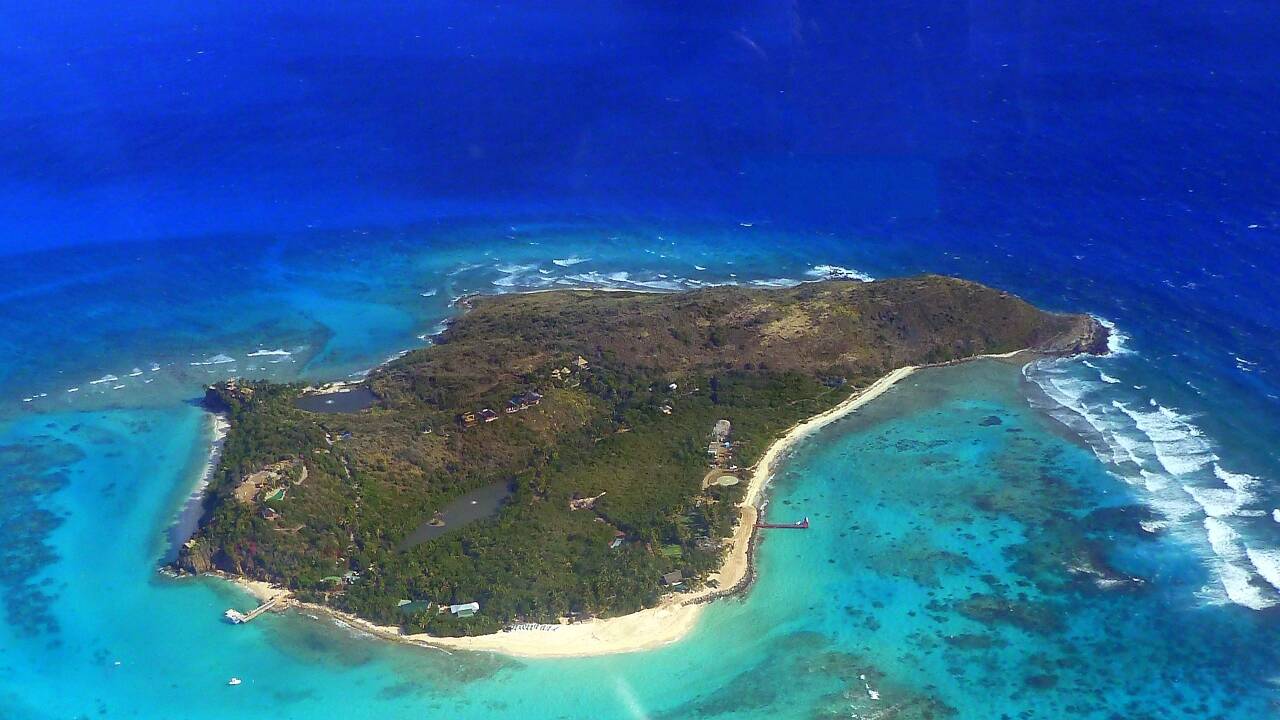
In 1978, Richard Branson, then 28, paid $180,000 for a small, uninhabited island in the British Virgin Islands. Necker Island had no fresh water source, no buildings and barely any vegetation beyond scrub and cactus. Nearly fifty years after the purchase, and roughly four decades since the resort itself was completed, that same 74-acre island supports a working conservation programme that shelters well over 140 species, several of which now breed there naturally, including lemurs from Madagascar and giant tortoises from the Seychelles.

Get breaking news anytime, anywhere. Download the TOI app now!
A reluctant purchase becomes a passion

Branson has told the story of the purchase many times over the years, and the details rarely change. According to an account he has given describing the negotiation, he first visited the British Virgin Islands on a trip meant to impress a woman he was pursuing at the time, having been offered a free look at the islands by a realtor who did not realise how little money Branson actually had. The asking price for Necker was around six million dollars, far beyond what he could afford at the time, running an eight-year-old record label, so Branson made an opening offer of just $100,000. The seller turned him down at first but came back a year later, still unable to find a buyer, and eventually accepted a revised offer of $180,000. At that point he owned essentially raw land, with no infrastructure, and the sale came with a condition that he build a resort on the site within four years. Turning that bare ground into something worth visiting took nearly a decade and set the pattern for what followed: a slow, deliberate transformation rather than a quick development.

Building a home for species with nowhere else to go

The wildlife did not arrive all at once, and it was introduced deliberately. Over the decades since the resort was completed, Branson and his team have deliberately introduced species that were struggling in their native ranges, choosing Necker specifically because its isolation from the mainland makes it easier to protect animals from predators and disease, even though the island itself operates as a small, tightly controlled private resort where guest access to the animals is limited and managed by the conservation team. As Branson explains in a PBS documentary filmed on the island, lemurs have become one of what he calls the island's flagship conservation species, brought in after habitat loss in Madagascar left many of their relatives fighting for survival at home. Giant tortoises, native to the Aldabra atoll in the Seychelles, followed a similar path, arriving as part of a breeding programme rather than as a decorative addition to the grounds. Flamingos, macaws, iguanas and a rotating cast of other species have joined them, each one added with the specific aim of giving vulnerable animals a secure place to establish new populations. That patient approach appears to be paying off in the way conservationists actually measure success, through births rather than just headcounts.

A sanctuary that sustains itself

Today, the tortoises in particular have reached a milestone that is rare in captive conservation work, breeding naturally on the island rather than relying on animals shipped in from elsewhere to maintain their numbers. The breeding success became especially significant in 2021, when the island recorded its first Aldabra giant tortoise hatchlings. The young animals were discovered soon after emerging from their nests and were monitored by the island's conservation team to make sure they remained healthy. The event showed that the tortoises were not simply surviving in an introduced population but were completing an important part of their life cycle on Necker itself. The island's wildlife programme has followed a similar approach with other species, creating conditions in which animals can establish themselves rather than simply being displayed for visitors. Virgin Limited Edition now describes Necker as a natural breeding ground for several rare species, including Madagascan lemurs, giant tortoises, rock lizards and flamingos.

A dedicated wildlife team now manages the island's animal population full time, treating Necker less like a private garden and more like a functioning sanctuary with its own breeding programmes and veterinary oversight. Branson himself has framed it in exactly those terms in his own public comments, describing a personal commitment to protecting disappearing species that has clearly outlasted his initial reasons for buying the place at all. Necker Island remains one of a small number of personal purchases from that era that developed decades later into an active conservation programme.

Sign up to read this article
Read news from 100's of titles, curated specifically for you.
Already a member? Sign in here
Related Stories
Top stories on inkl right now
One subscription that gives you access to news from hundreds of sites
Already a member? Sign in here
Our Picks
Fourteen days free
Download the app
One app. One membership.
100+ trusted global sources.