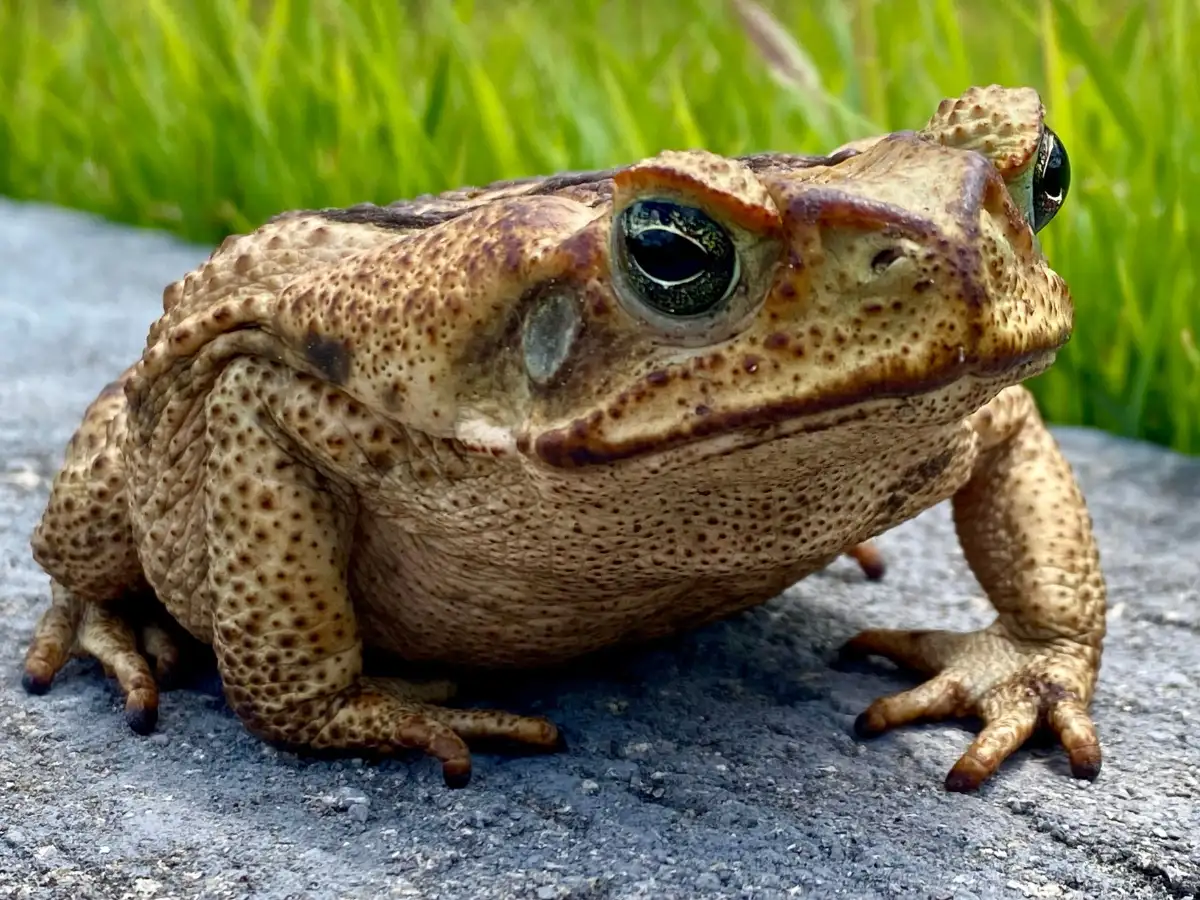
A tiny Japanese island once tried a quick fix for its pest problem. It backfired. According to the study, ‘Methods for invasive species control are transferable across invaded areas,’ published in PLOS ONE by researchers at Kyoto University and the University of Sydney, a handful of cane toads released on Ishigaki Island in 1978 turned into a full-blown invasion. What began as a pest-control measure in sugar cane fields became a threat to native wildlife.
How a dozen toads turned into an army

Cane toads aren't from Japan; they are native to Central and South America. Humans have shuffled them around the world for decades in hopes they would eat crop-damaging insects. The same PLOS ONE research traces that path: about 150 cane toads were shipped from Puerto Rico to Hawaii in 1932. From there, descendants were moved to Taiwan in 1935 and, in the following years, from Taiwan to Japan's Daito Islands. Finally, in 1978, a small number of toads, between 10 and 15, were brought from the Daito Islands to Ishigaki to combat pests in sugar cane and rice fields.
Ironically, the same rice paddies and sugar cane fields the toads were brought in to protect turned into their paradise; that, plus a warm subtropical climate with ponds, streams, and irrigation canals to spare. Local herpetologist H. Ota estimated the island’s toad population to have probably been above 20,000, the research notes. A dozen toads becoming 20,000 in a few decades is striking, but cane toads are known for explosive breeding because one female can lay more than 30,000 eggs in a single clutch.