Get all your news in one place.
100's of premium titles.
One app.
Start reading
The Times of India
The Times of India
World
TOI World Desk

In 1977, Japan fell in love with a cartoon raccoon, and the resulting pet craze was followed by the spread of raccoons and damage across much of the country

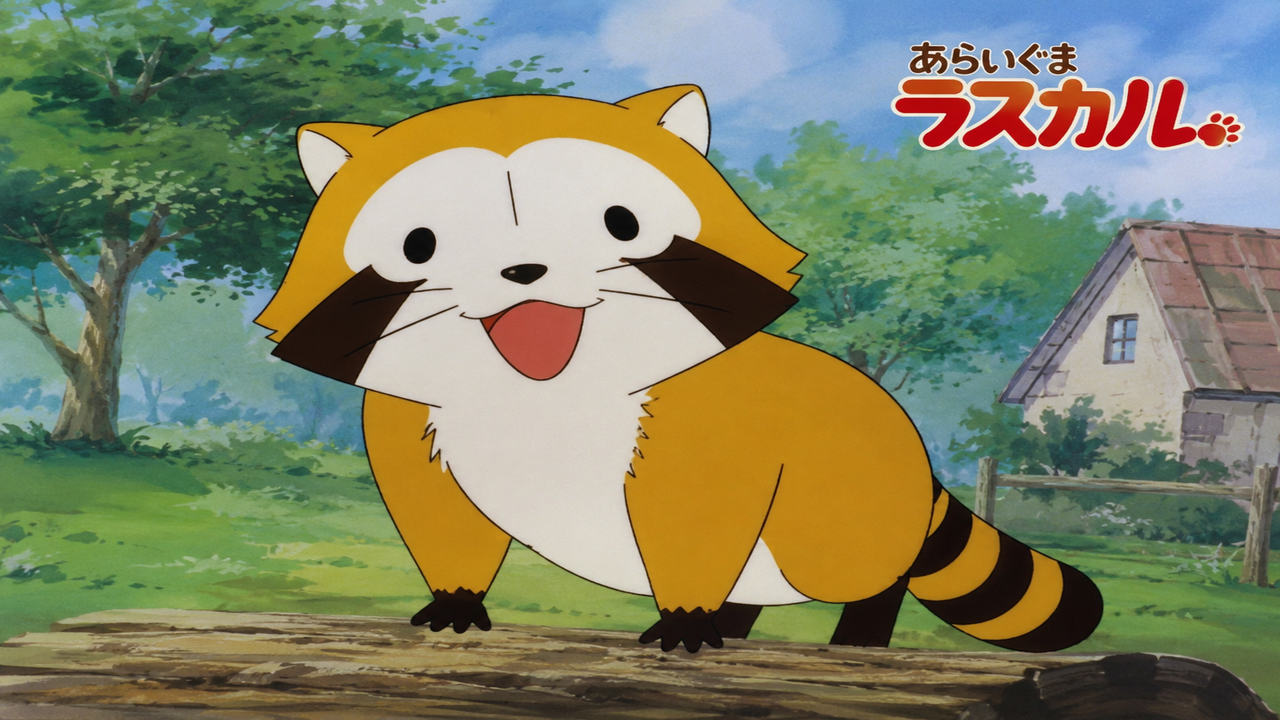
On January 2, 1977, Nippon Animation began broadcasting the 52-episode anime Rascal the Raccoon (Araiguma Rasukaru) as the third series in its World Masterpiece Theater anthology. It aired on Fuji TV through the end of that year. The series adapted Sterling North’s 1963 autobiographical memoir Rascal , recounting the author’s boyhood experiences in 1918 Edgerton, Wisconsin, where he rescues and raises an orphaned raccoon kit named Rascal after its mother is killed by hunters. Clements and McCarthy's Anime Encyclopedia(2006) notes that the series aired throughout 1977 and became popular among children in Japan, sparking a nationwide raccoon pet craze.

Get breaking news anytime, anywhere. Download the TOI app now!

A pet craze no one saw coming

Demand for raccoons as pets rose sharply while the anime was airing, and pet stores began importing the animals into Japan from the United States. Approximately 1,500 raccoons were imported annually after the show's success, contributing to the establishment of the species in Japan.

Ironically, the story of the anime also acted as a cautionary tale. It is about a boy who adopts a raccoon and realizes that it is impossible for him to turn a wild animal into a pet. Japanese audiences seem to have focused more on the emotional appeal than on the story’s cautionary message. As wild animals, raccoons often made destructive pets. When the animals became uncontrollable, many owners released them into the wild, echoing what happened to Rascal in the anime.

From living rooms to the wild

A study published in Scientific Reports found that raccoons released or escaped from captivity became widespread throughout Japan. By 2004, they had reached 42 of Japan’s 47 prefectures, increasing to all 47 by 2008. A species that had not previously established wild populations in Japan had spread to almost the entire country within three decades.

The raccoons have caused widespread damage in Japan, as they destroy farm produce, dig under foundations of temples and shrines and nest inside these places. They have also been known to attack native species of frogs, insects and even bird eggs. The lack of any natural predator in Japan for the raccoons, along with their rapid reproductive cycle, has forced local governments to adopt the technique of live trapping as the key means to control the menace. The agricultural damages from the raccoons reach into millions of dollars each year. In addition, some cities encourage the building of agricultural fences and even offer hotlines for the sighting of raccoons. Eradication of the raccoons is no longer feasible.

Decades of damage: The numbers tell the story

The repercussions have continued over the decades, and numbers provided more recently have offered a clearer picture than was thought possible before. Research published in Pest Management Science examined the economic impact of invasive raccoons on Japanese agriculture and estimated substantial agricultural damage.

That represents a dramatic rise from roughly 126 million yen in damage recorded back in 2003, and about 330 million yen by 2016, a trajectory showing the problem has worsened steadily rather than leveled off. Raccoons have been designated as an invasive alien species in Japan since 2005. Tokyo Metropolitan Government data show that raccoon captures have increased in the capital, with the animals continuing to expand their range and cause ecological, agricultural, and property-related damage.

Displacing native wildlife

The invasion has also produced effects on the native animals in Japan. One such animal that has felt its impact is the tanuki, which is the native "raccoon dog" in Japan. Although tanuki resemble raccoons and are often mistaken for them, they do not belong to the same family. Because raccoons and raccoon dogs can overlap in their use of food resources and habitat, the two species may compete where their ranges intersect.

A lovable villain

Despite the species' invasive spread, Rascal remains a recognizable character in Japanese popular culture. Nearly half a century after its first broadcast, Rascal the Raccoon remains a striking example of how a work of fiction, even with good intentions, can affect a country’s ecology. What began as a television adaptation of a story about a boy and a pet raccoon was followed by the establishment and spread of raccoons across Japan.

Sign up to read this article
Read news from 100's of titles, curated specifically for you.
Already a member? Sign in here
Related Stories
Top stories on inkl right now
One subscription that gives you access to news from hundreds of sites
Already a member? Sign in here
Our Picks
Fourteen days free
Download the app
One app. One membership.
100+ trusted global sources.