Get all your news in one place.
100's of premium titles.
One app.
Start reading
The Economic Times
The Economic Times
Team Global

In 1972, Chicago began digging 110 miles of sewer tunnel up to 300 feet down; 50 years on, the Deep Tunnel has captured more than a trillion gallons of combined sewage

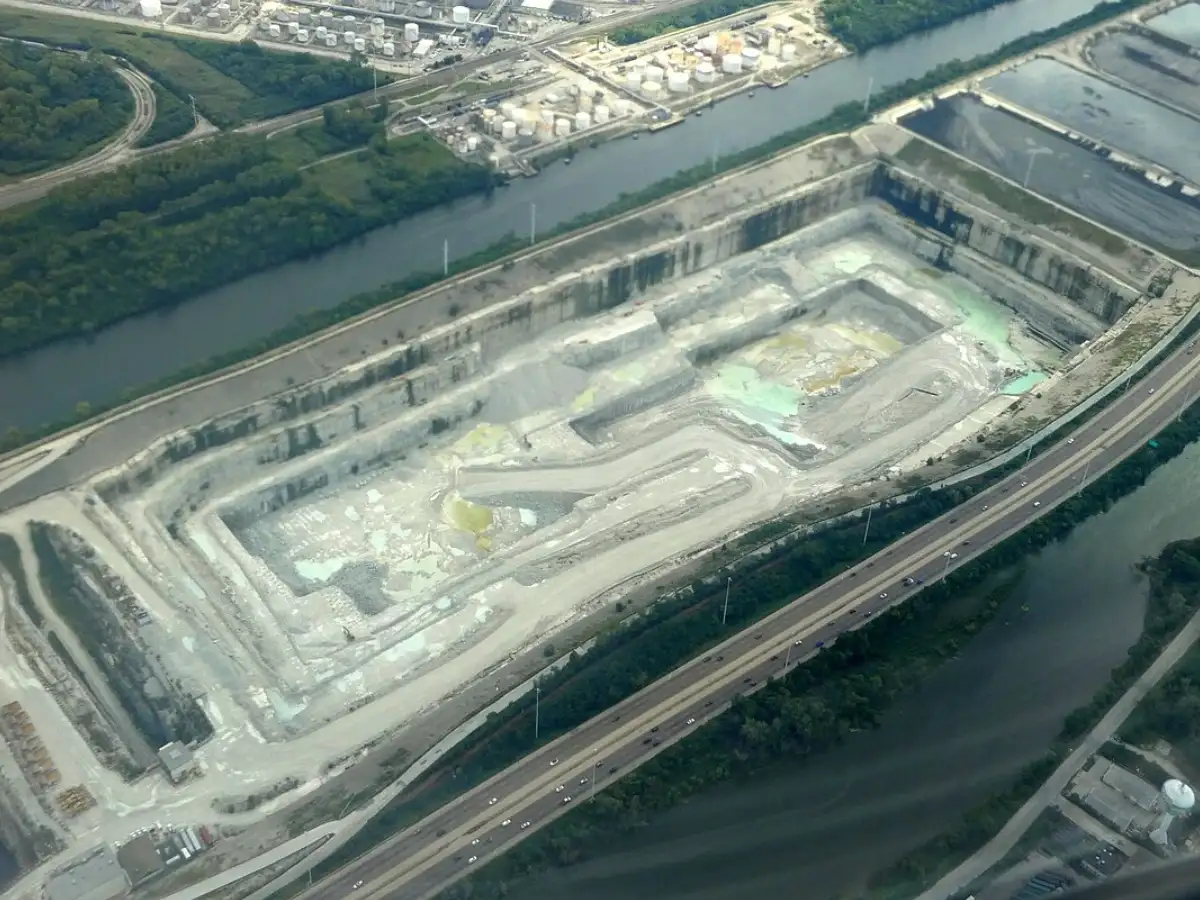
Somewhere around 300 feet underneath the city of Chicago, exists a network of tunnels so large that it could make even a James Bond villain jealous. It is not an expansion of the city’s subway system or some sort of underground bunker but a sewer: a massive 110-mile-long sewer system built in the course of many decades, which has saved more than a trillion gallons of untreated sewage and stormwater from flowing out into Lake Michigan. As per the Metropolitan Water Reclamation District of Greater Chicago, the Tunnel and Reservoir Plan (TARP) or Deep Tunnel project, as it is often referred to, celebrated its 50-year anniversary back in 2022, and the tunnels and reservoirs have continued adding to that trillion-gallon total in the years since.

The gross problem hiding under half of urban America

And here’s the part most people tend to gloss over: it is not an anomaly. There are somewhere around 700 other cities in America that still operate under what’s called a combined sewer system, in which residential sewage and storm runoff water travel through the same pipes. As highlighted by the US Government Accountability Office in a 2023 report, heavy rain can cause these pipes to overflow, sending untreated runoff directly into rivers, lakes, and streams. This was business-as-usual well before any concern arose over microplastics or PFAS.

Sign up to read this article
Read news from 100's of titles, curated specifically for you.
Already a member? Sign in here
Related Stories
Top stories on inkl right now
One subscription that gives you access to news from hundreds of sites
Already a member? Sign in here
Our Picks
Fourteen days free
Download the app
One app. One membership.
100+ trusted global sources.