Get all your news in one place.
100's of premium titles.
One app.
Start reading
The Economic Times
The Economic Times
Team Global

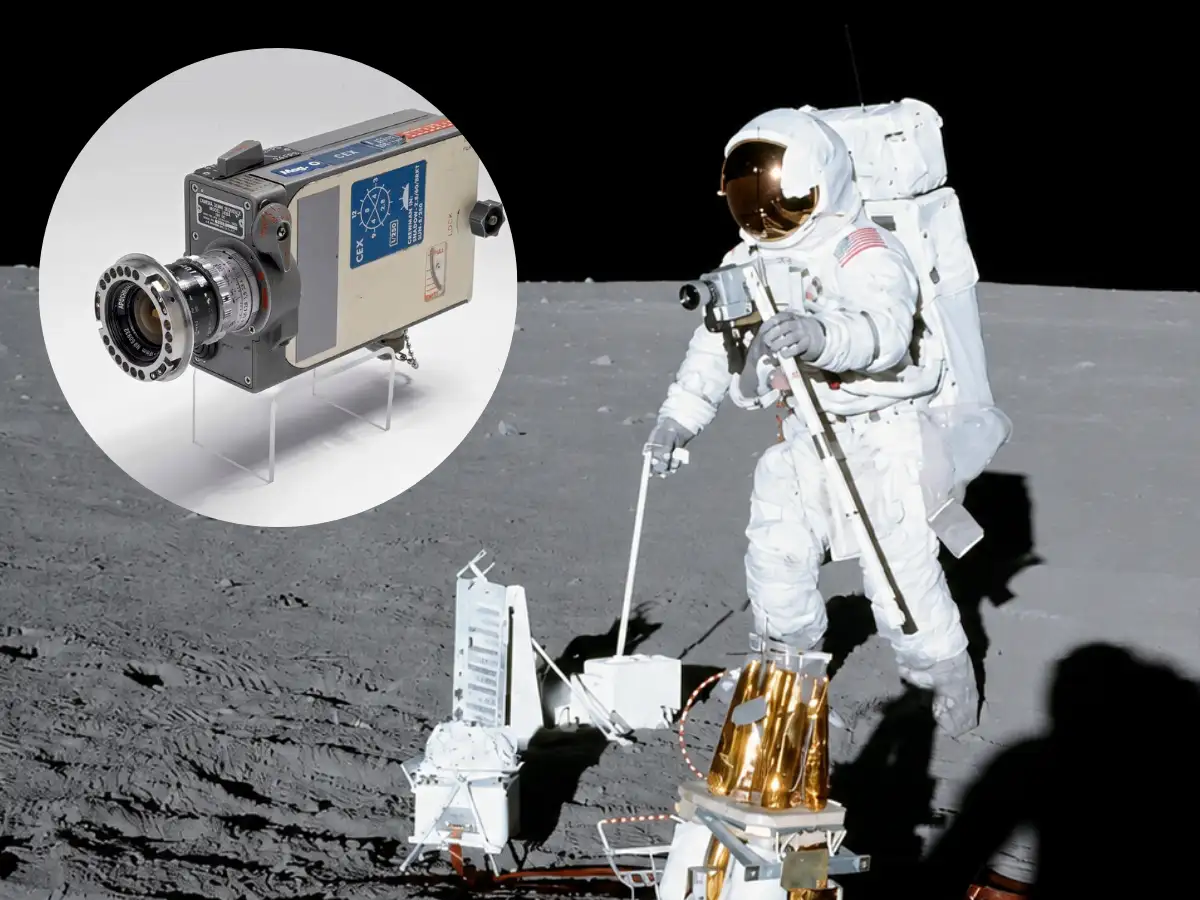
In 1969, Apollo 12 began broadcasting from the Moon, but Alan Bean accidentally aimed its camera at the Sun and killed the live TV feed

The mishap still stands out in NASA's history. In November 1969, during his walk on the Moon, astronaut Alan Bean took an almost brand-new color television camera. Still, as he set it up, he pointed it at the Sun and overheated the camera's vidicon tube, ending all live TV transmissions from the Moon. For younger space fans who have only seen Apollo footage in compilations, this explains why Apollo 12 has so little surviving live television footage from the lunar surface; the mission still produced thousands of still photographs on 70mm film.

Why this camera mattered so much to NASA

Apollo 11 had already made its "one small step" in July 1969, some four months prior. For the Apollo 12 mission, the National Aeronautics and Space Administration (NASA) decided to use a color camera to provide clearer, livelier footage of the moonwalk by commander Pete Conrad and Bean. The task required some engineering work. According to the Smithsonian's National Air and Space Museum, the television camera was moved from the lunar module Intrepid to allow viewers to see the moonwalk in color rather than black-and-white, as in the previous mission. Bean separated the camera from its bracket, moved it away from the module, and put it on a tripod. That is where the accident occurred.

Sign up to read this article
Read news from 100's of titles, curated specifically for you.
Already a member? Sign in here
Related Stories
Top stories on inkl right now
One subscription that gives you access to news from hundreds of sites
Already a member? Sign in here
Our Picks
Fourteen days free
Download the app
One app. One membership.
100+ trusted global sources.