
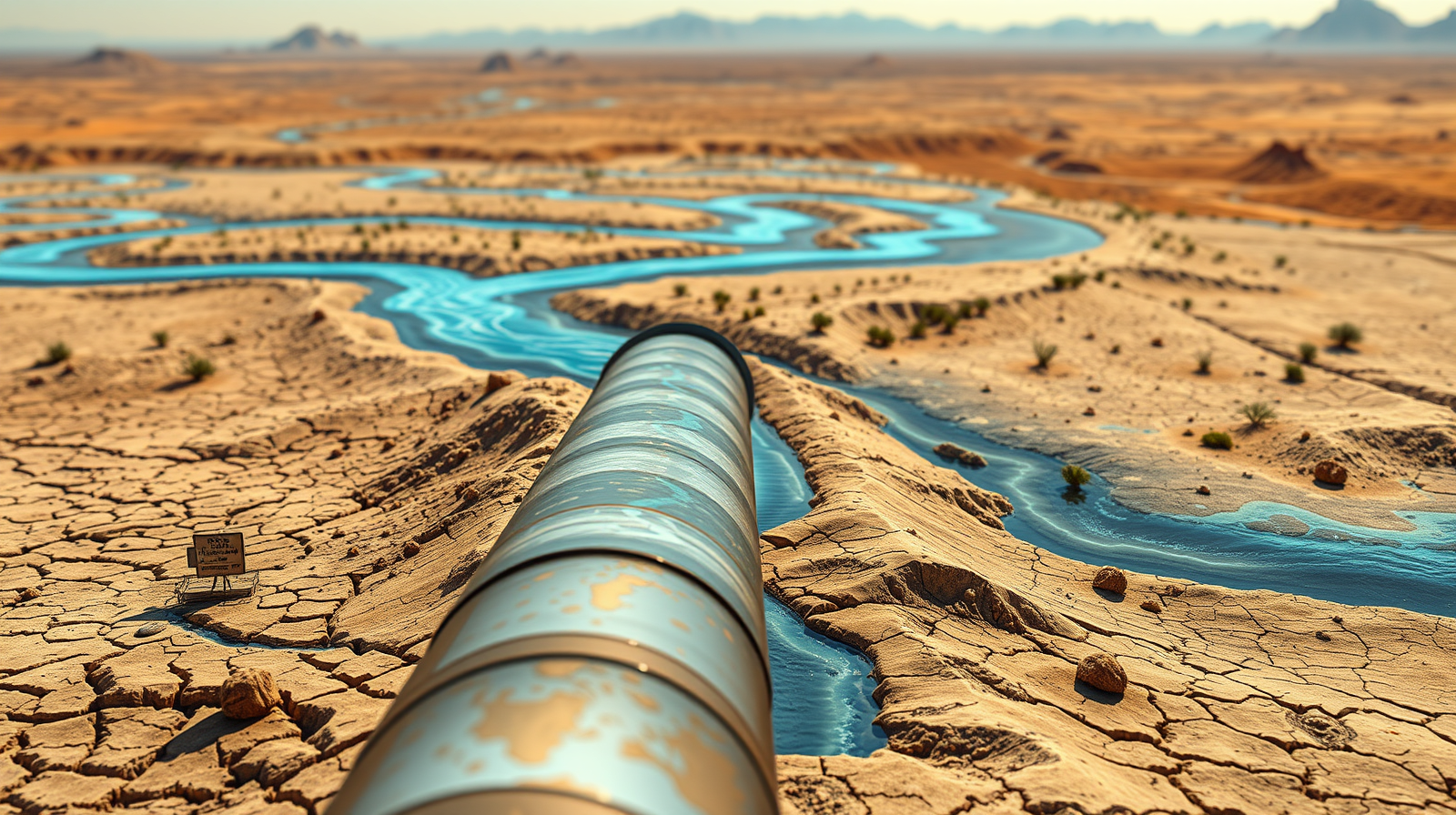
In 1964, American engineers at the Ralph M Parsons Corporation drew up one of the most ambitious infrastructure plans in history, a scheme called the North American Water and Power Alliance, or Nawapa. The idea was to capture excess river water from Alaska and northwestern Canada and send it south through the Rocky Mountain Trench, across the Rockies, and into the water-starved plains and deserts of the United States and northern Mexico. It involved hundreds of dams, canals and tunnels, and was seriously discussed in the US Congress as a project comparable in scale to the space programme. Six decades later, the plan never left the drawing board, but it still shapes conversations about water scarcity today. Although never built, NAWAPA remains one of the boldest examples of large-scale water engineering ever proposed, highlighting both the promise and the enormous environmental, economic and political challenges of reshaping an entire continent's water resources. What eventually killed Nawapa wasn't a lack of engineering confidence, but the reality that moving water at continental scale meant moving political consent too, something no blueprint, however ambitious, could actually draft on paper.
Get breaking news anytime, anywhere. Download the TOI app now!














