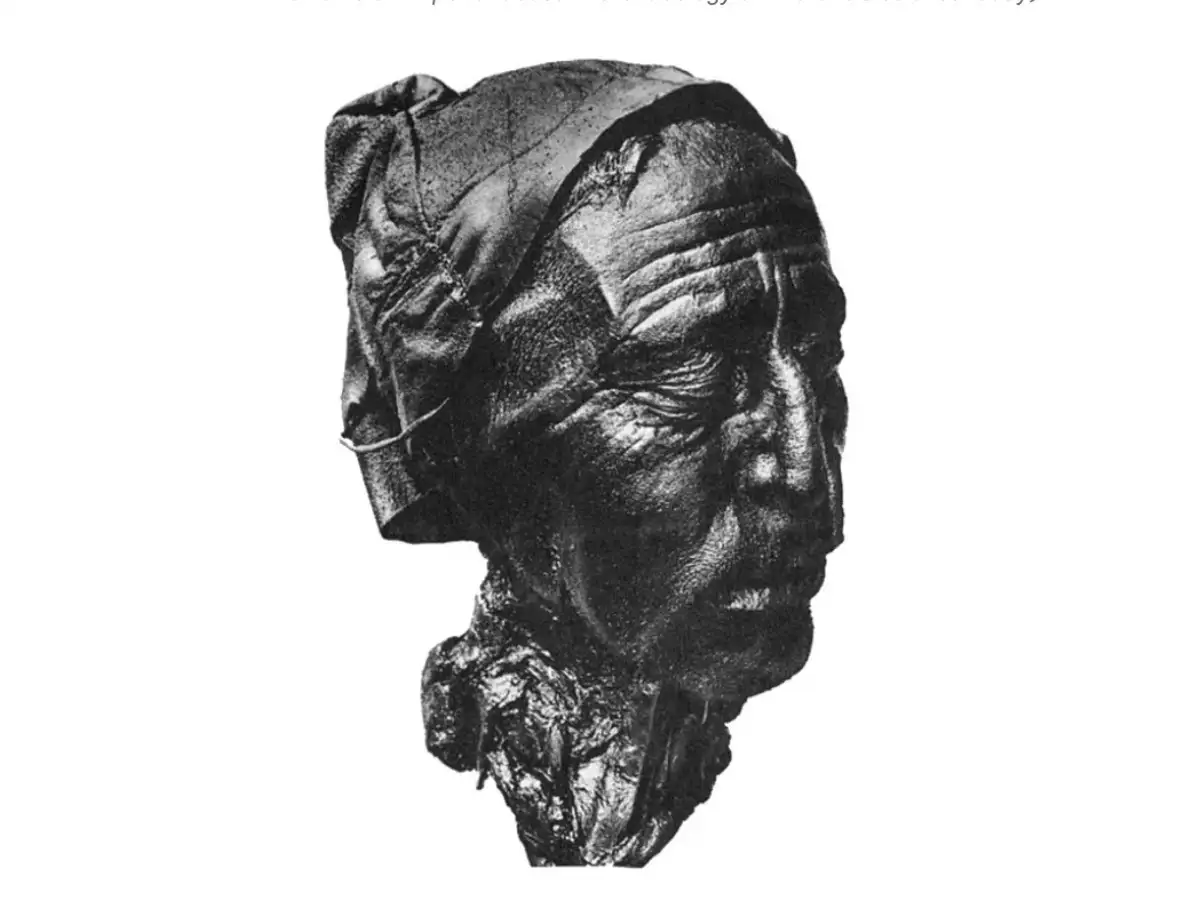
In May 1950, two brothers cutting peat in Bjældskovdal Bog in Denmark expected to find fuel, not one of the world’s most famous archaeological discoveries, as per a paper published in Encyclopedia. As they dug through the dark, waterlogged peat, they encountered a human body so well preserved that it initially appeared recent. The man would later become known as Tollund Man, and his discovery quickly attracted international attention because of the extraordinary condition of his remains. Unlike most ancient burials, which survive primarily as bones, Tollund Man retained skin, facial features, and other soft tissues. Scientists soon realized that the bog itself was responsible. The unusual chemistry of peatlands can preserve human remains in ways rarely seen elsewhere, turning wetlands into natural archives of the past. Tollund Man became one of the clearest examples of that process and remains a landmark case in archaeology and forensic science today.