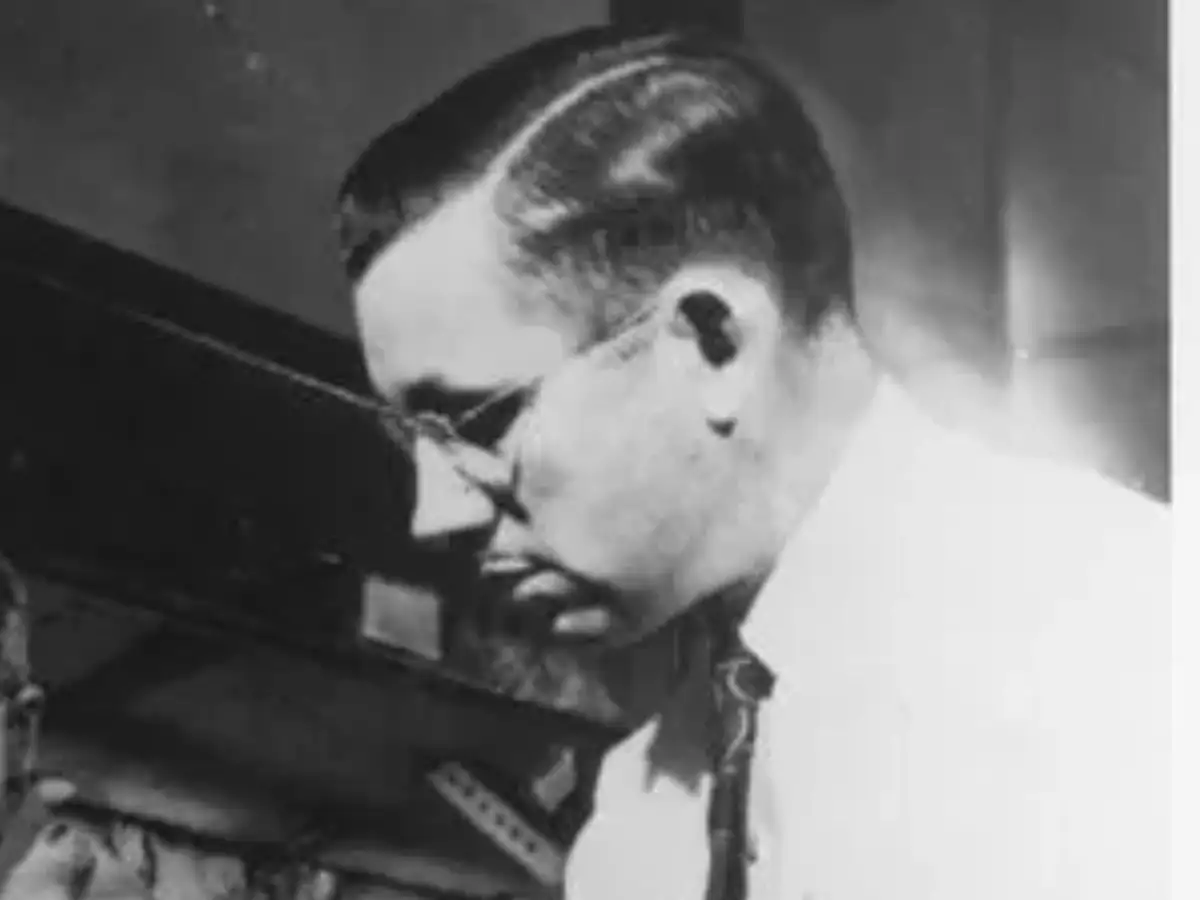
In 1938, while conducting experiments in the laboratory using gaseous substances, chemist Roy Plunkett encountered a situation that no one could have predicted. The gas cylinder got jammed, which should normally allow for the normal flow of the substance inside; however, this did not happen. When it was opened, Plunkett and his colleagues did not find gas in it but saw something else, a strange, white, waxlike material inside the cylinder.
This is how Teflon was invented. From the description given by the Lemelson-MIT website dedicated to Roy Plunkett, it can be said that he managed to take advantage of a "chemical accident" that would soon turn out to be one of the most well-known polymers in the history of industrialization. This is an exact reflection of the event and what made it special.