Henry Ford was known for putting America on wheels, but one of his strangest experiments began far from the factory floor. He wanted agriculture and industry to work together, and he saw a humble crop as a possible bridge between the two.
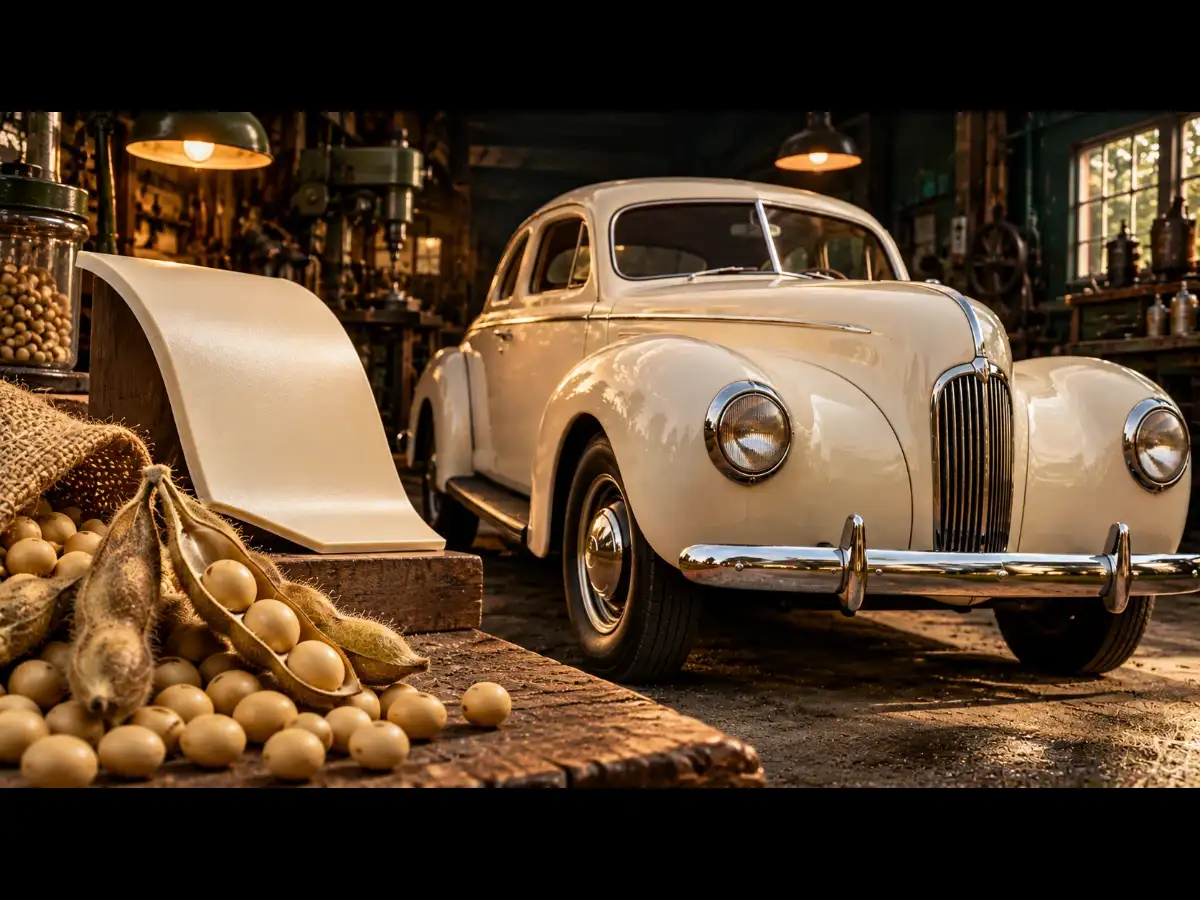
Soybeans became part of that vision. Research at Ford's laboratory in Greenfield Village explored how the crop could be turned into useful materials, including oils, plastics and fibers. Then, in 1941, Ford revealed the result of one particularly ambitious experiment: a car whose body was made from plastic panels rather than conventional steel, as per a report by The Hnery Ford Organisation and DBusiness Magazine.