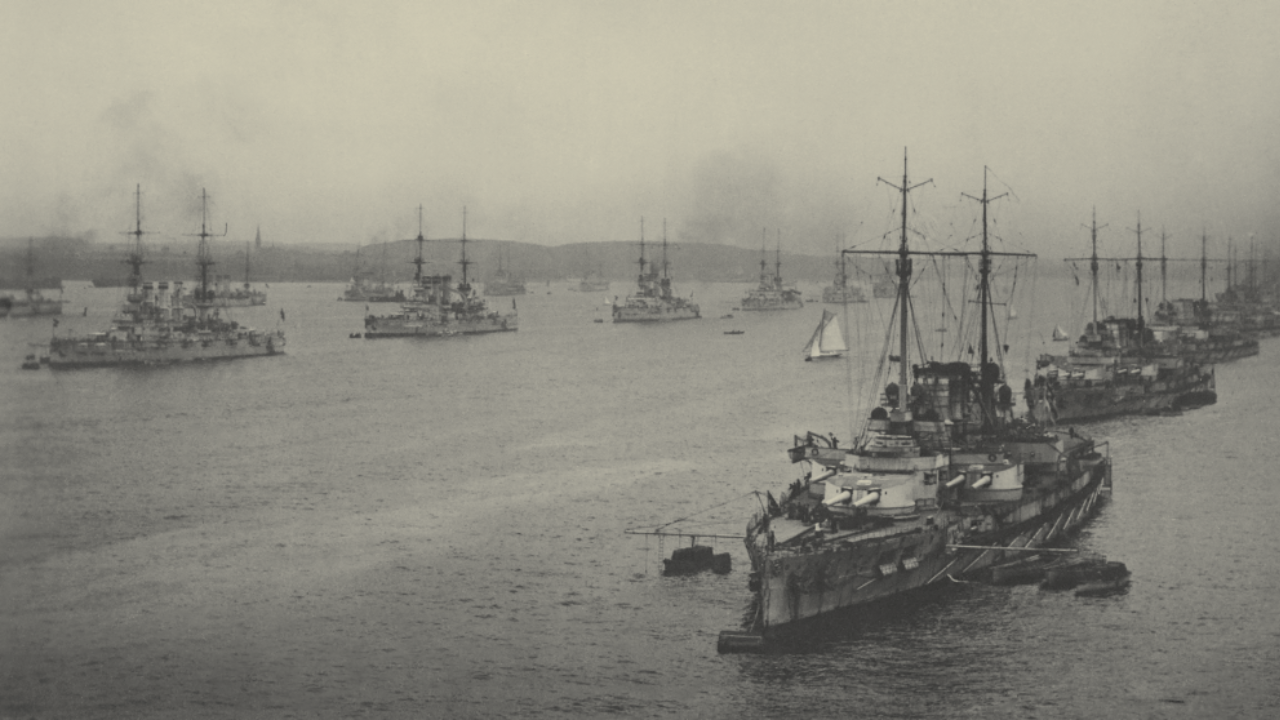
Fifty-two Imperial German warships sank in the icy waters off Orkney in June 1919 after their crews deliberately scuttled them to prevent their capture. Decades later, steel recovered from those wrecks became a valuable material for modern science, medical imaging, and space exploration. The story of Scapa Flow’s wrecks turning from naval waste into high-tech material began with the start of the atomic age. Steel made after the first nuclear bomb test in New Mexico in July 1945 contains tiny traces of radioactive isotopes from the atmosphere used during production. For normal construction, this radiation is harmless. But for equipment designed to detect extremely small amounts of radiation, even these tiny traces can create background noise and affect sensitive readings.
Get breaking news anytime, anywhere. Download the TOI app now!