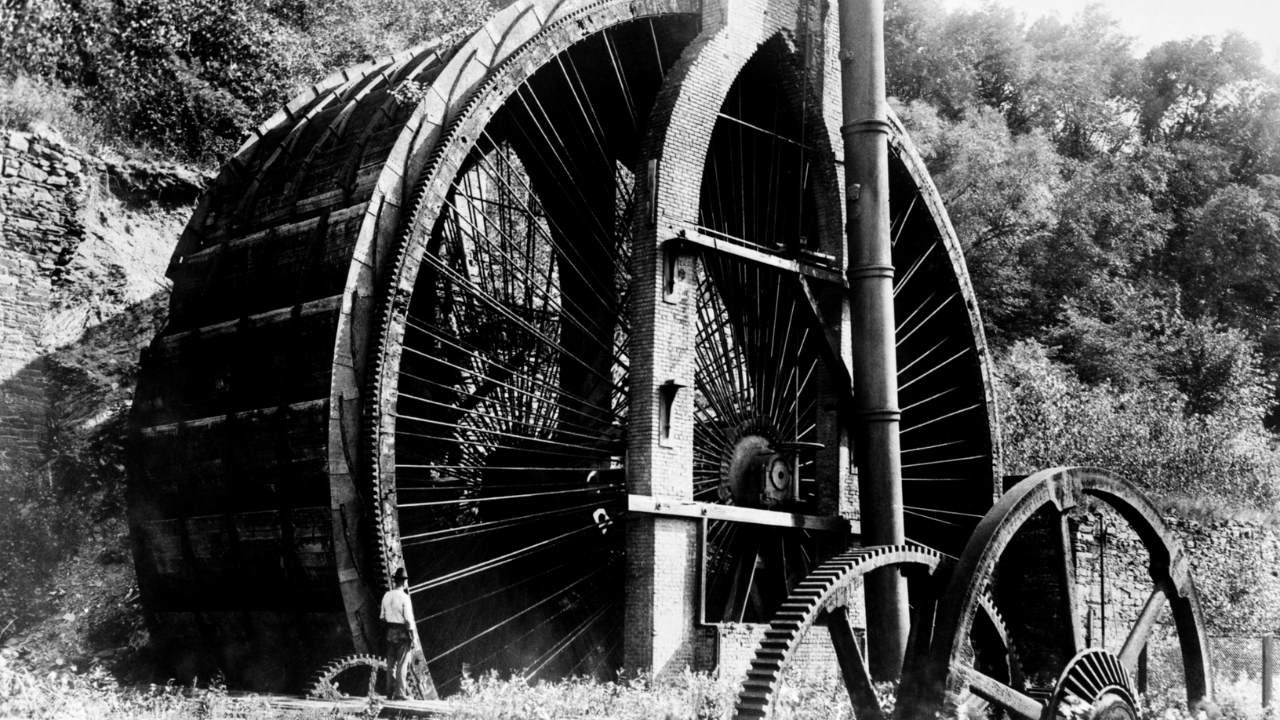
In 1913, the US Army Corps of Engineers began a major project on the Hudson River at Troy, New York, that would reshape navigation between the river and the state's expanding canal network. The new Federal Dam and lock replaced an earlier state dam and was designed to create a dependable navigation route towards the Erie and Champlain canals. Construction continued until 1915, when the new structure opened to navigation. What makes the project particularly remarkable is the experience behind its workforce: many of the labourers brought to Troy had recently worked on the Panama Canal, carrying hard-earned knowledge of one of the era's greatest engineering projects. More than a century later, the Troy Lock and Dam remains a working part of the Hudson River navigation system. The U.S. Army Corps of Engineers still operates and maintains the facility, which also occupies a unique position as the northernmost point where the Hudson's flow is affected by tides. Its continued operation more than a century later reflects the lasting value of engineering designed to serve both commerce and navigation. More than a century after its completion, the Troy Lock and Dam stands as a quiet testament to enduring engineering, proof that infrastructure built with genuine expertise and foresight can continue serving its original purpose long after the era that created it has passed.
Get breaking news anytime, anywhere. Download the TOI app now!