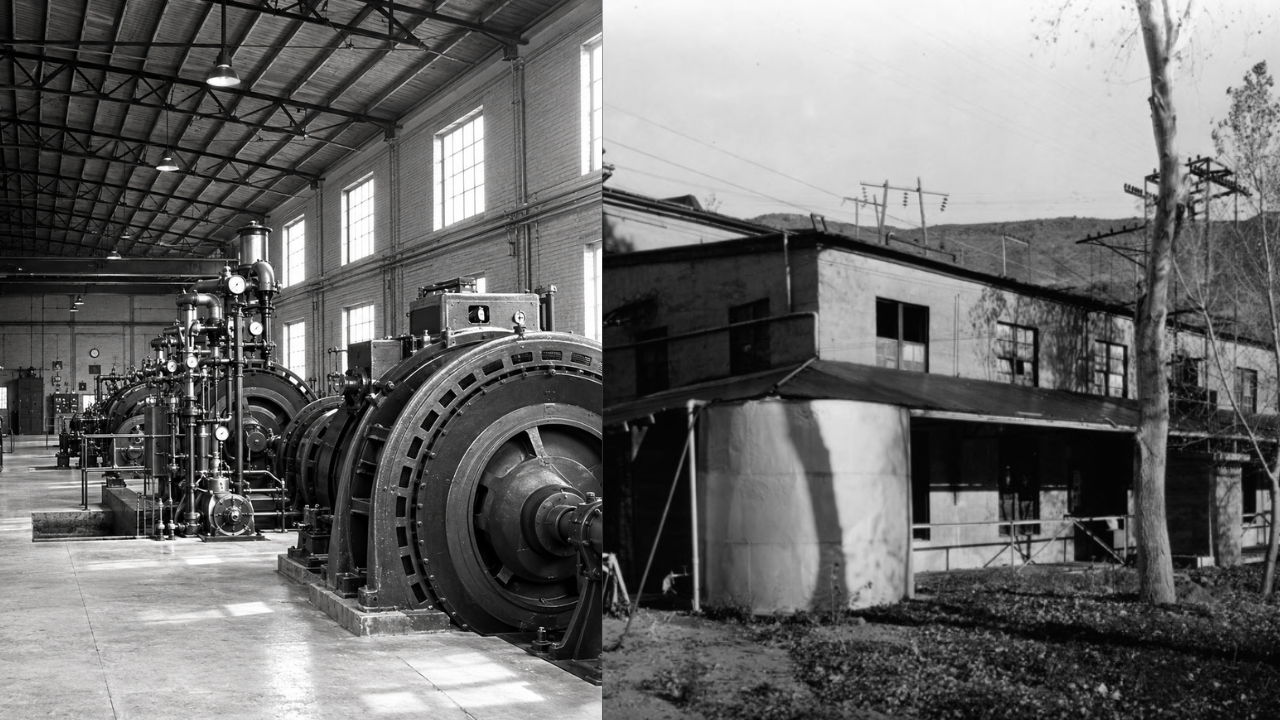
In the rugged mountains of central Arizona, building a hydroelectric plant in the early 20th century meant overcoming obstacles that modern construction crews rarely face. In 1909, engineers completed the Childs Plant, part of the Childs-Irving Hydroelectric Project near the Verde River, harnessing the dramatic drop in elevation of Fossil Creek to generate electricity. The terrain was so difficult that mule teams had to carry construction materials up the mountains, forcing engineers to rethink how parts of the project could be built and connected. According to the Engineering and Technology History Wiki (ETHW), the project eventually became an important source of electricity for Arizona and was later recognised as an ASME Historic Mechanical Engineering Landmark. The Childs Plant used three Pelton-wheel generators and demonstrated how hydroelectric technology could be adapted to an exceptionally challenging landscape. What began as an ambitious engineering project ultimately helped supply the entire electric demand of Yavapai County.
Get breaking news anytime, anywhere. Download the TOI app now!