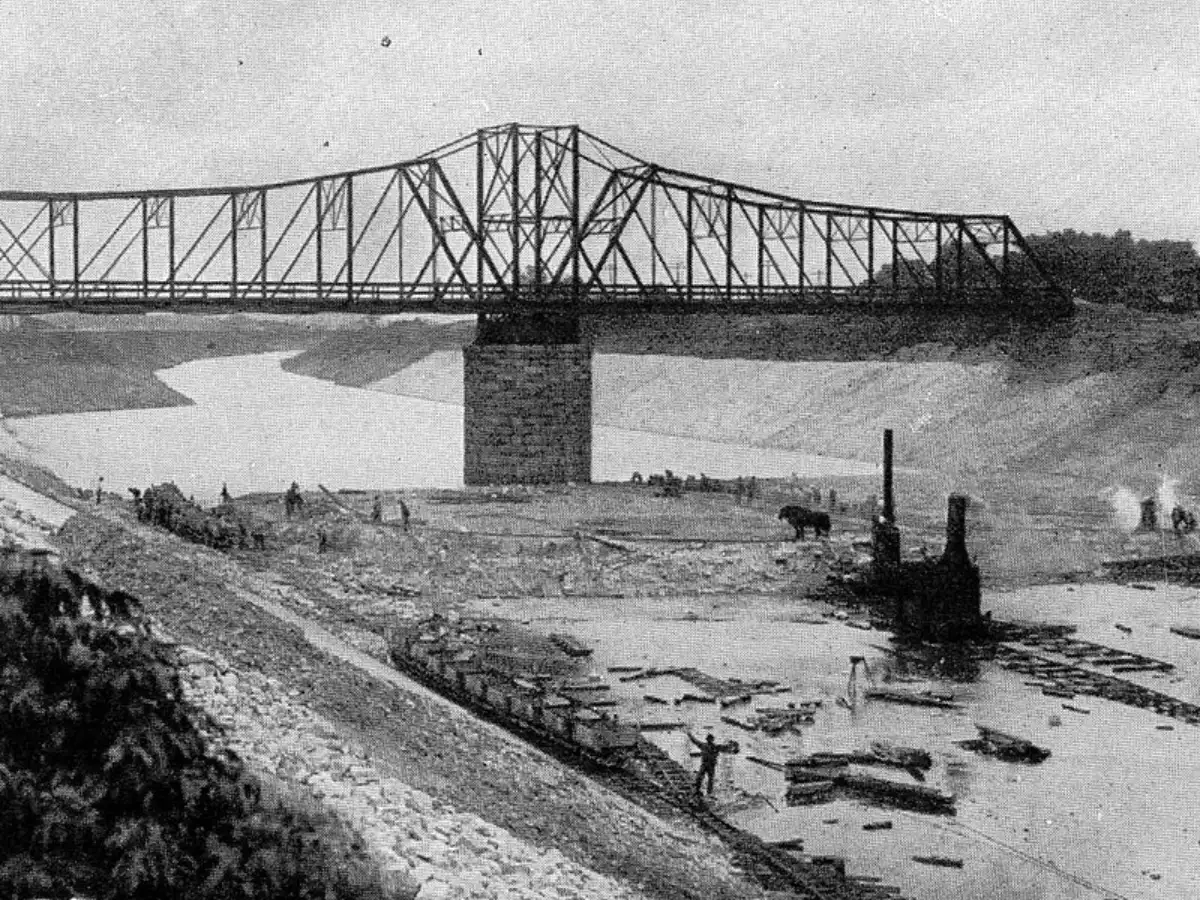
In 1885, Chicago drew its drinking water from Lake Michigan, the same lake the city used as a dumping ground for untreated sewage. Cholera and typhoid were wreaking havoc among the population. The solution adopted by the city was not that of building better sewage systems but to reverse the flow of a river to dump the waste into it.
As reported by Kenneth Olson and Lois Wright Morton in their 2017 paper titled “Chicago's 132-year effort to provide safe drinking water,” published in the Journal of Soil and Water Conservation, this effort to protect the water supply of Chicago that dates back more than a century and is centered on the Chicago Sanitary and Ship Canal has entailed repeated intervention through engineering, such as the reversal of the Chicago River, creation of canals, as well as construction of offshore water intakes, amid pollution and contamination issues brought about by fast urbanization. This is a distinct saga: address the problems of today with a huge, expensive, and somewhat risky infrastructure project, then deal with its consequences for the next hundred years.