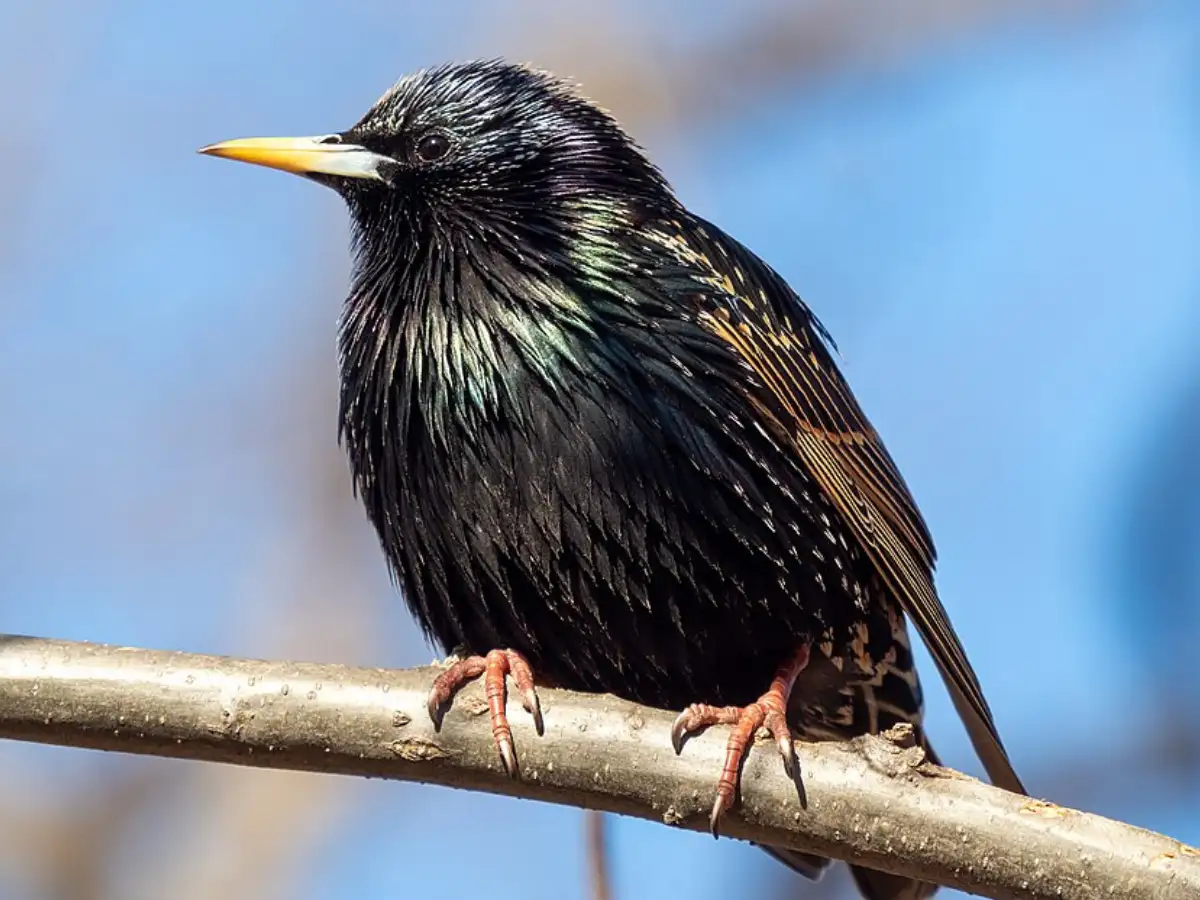
Imagine a wealthy New Yorker standing in Central Park in 1890, opening a few small cages, and letting go of birds that had never before flown over American soil. It seemed like a harmless, even sentimental gesture at the time. According to the US Forest Service invasive species learning kit, that single afternoon helped change the sound of American mornings for good.
He released several dozen European starlings among the park's trees, accounts vary on the exact number, with estimates ranging from about 60 to 80, hoping to add a familiar bird to his adopted home. He returned the following spring with a second release of similar size, bringing the total closer to 100 birds. Within 69 years, the birds had crossed the entire continent and reached the Pacific coast.