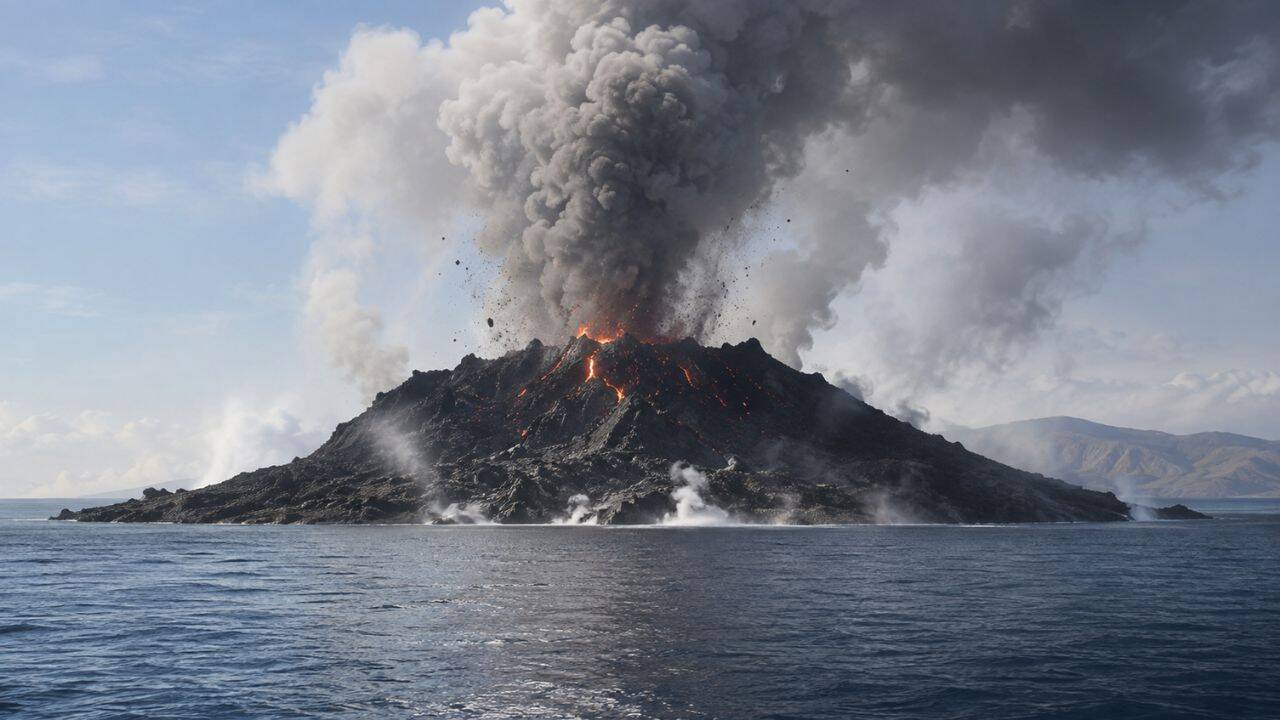
For a few months in 1831, the sea off Sicily seemed to be making room for something new. Fishermen had already noticed dead fish floating to the surface, their bodies carrying the smell of sulphur. Then came smoke, ash and lava. By late summer, a small volcanic island stood above the water. It was not especially large, but its position mattered. Ships travelling through the Mediterranean passed nearby, and several European powers quickly began considering what possession of the new land might mean. For a brief moment, the emerging land transformed a familiar stretch of water into an unexpected stage for European territorial ambitions. Before the arguments could be settled, though, the island began to crumble. Within months, it had slipped beneath the waves again.
Get breaking news anytime, anywhere. Download the TOI app now!