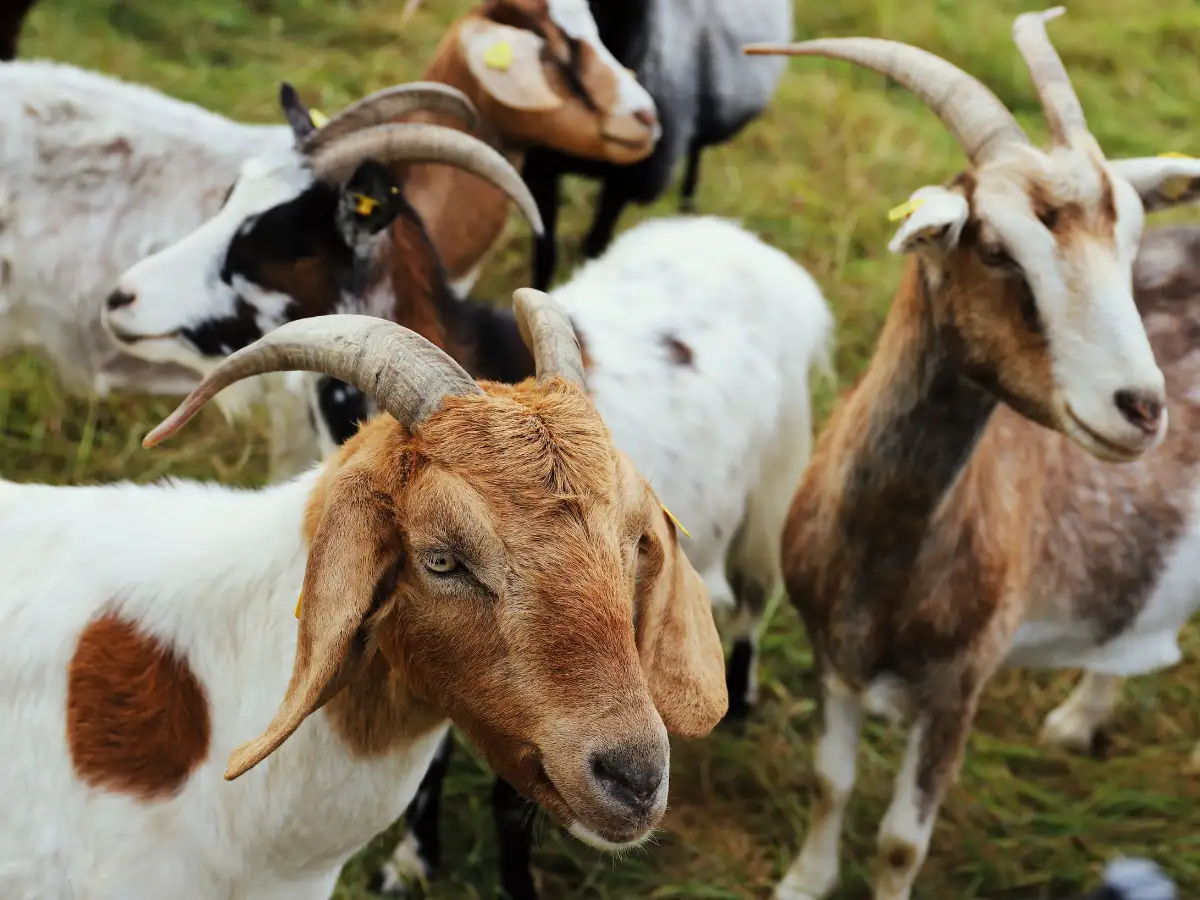
When Captain James Cook anchored off Hawaii in January 1778, he wasn't planning an invasion. He brought his crew, gifts, and a few goats meant as a future food source for sailors and islanders. According to a National Parks Conservation Association feature, Cook visited Hawaii three times, and the first two visits were peaceful trade exchanges. The third ended in violence, and Cook died in the fighting.
Cook's crew released the first goats on Niʻihau on February 1, 1778, a ram and two ewes, and released more the following year at Kealakekua Bay on the Big Island. Captain George Vancouver releases another pair on Kauaʻi on March 13, 1792. According to the NPS historical report, these animals reproduced quickly once they went feral, and their descendants have never fully left the islands since.