
Get all your news in one place.
100's of premium titles.
One app.
Start reading
Homes & Gardens
Homes & Gardens
Tenielle Jordison

If Your Garden Is Already Starting to Look Dull, Plant This Native Perennial – It Puts on a Blaze of Color All Fall

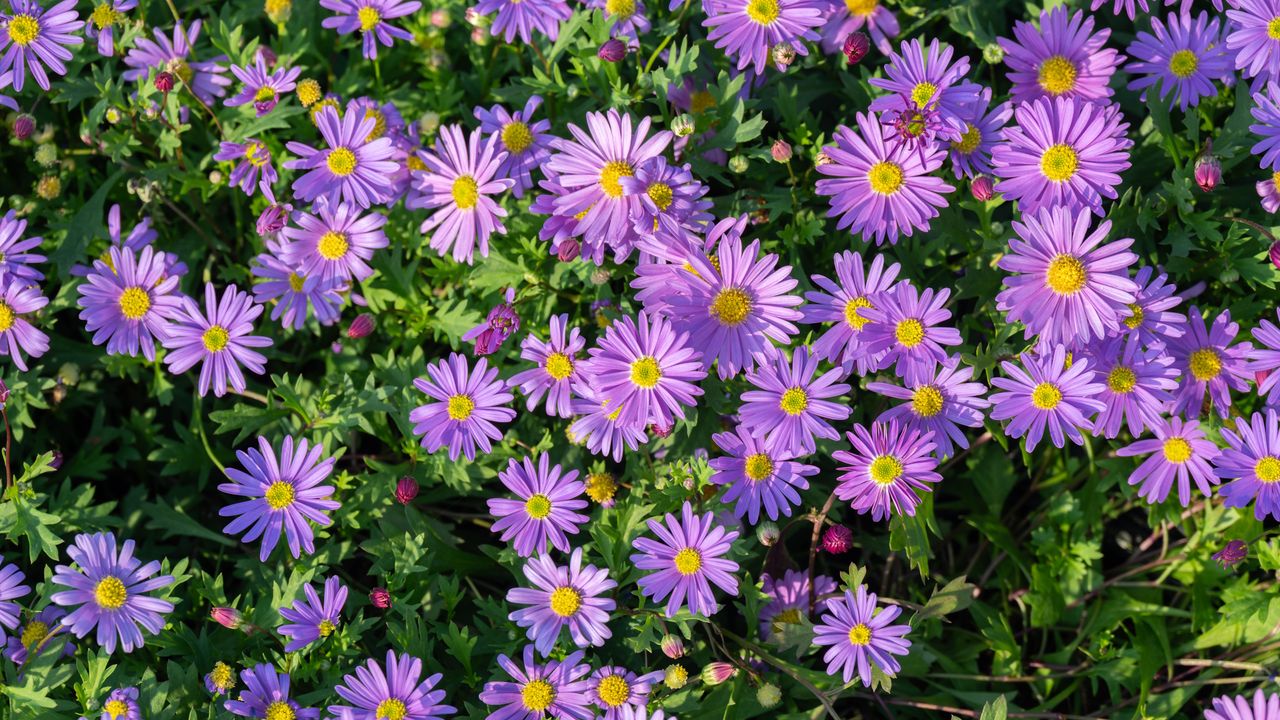
Purple asters in bloom.

By late August, my garden borders start to fade. But there's one plant I rely on to burst into life and provide a riot of color all through fall: asters.

With their daisy-like blooms, growing asters is such a joy in my garden. I have purple asters (like this Aromatic Aster from Plant Addicts), but they are also found in pink, white, and blue shades. Typically blooming from late August until October, their mounding habit and prolific flowering provide enough color to keep the garden looking bright until winter.

Plus, pollinators absolutely adore them, with bees, butterflies, and other beneficial insects relying on them where other nectar sources are scarce. Really, it's the fall perennial every garden needs.

Why Every Fall Garden Needs Asters

(Image credit: Tenielle Jordison)

Asters are arguably the best perennial to extend the flowering season in your yard because they emerge as summer blooms fade, they're super low-maintenance to care for, support wildlife, and they put on a display for weeks on end.

I particularly love their mounding habit, which offers a pop of color throughout my borders and makes it easy to keep my fall garden looking full without much effort.

You can even get spreading asters, which act more like a groundcover, particularly eye-catching cascading over retaining walls.

The best part is they come in so many different bright colors (take a look at this pink aster from Plant Addicts, for example) for every garden scheme.

They especially elevate ornamental grasses, like this Karl Foerster grass at Fast Growing Trees, effortlessly slotting into prairie, cottage, and naturalistic planting schemes.

As for being an asset to wildlife in fall, these native plants fill a 'nectar gap' for beneficial insects. In particular, asters attract bees, butterflies, and hoverflies, among others. Paired with other fall plants for pollinators, you can turn your fall garden into an invaluable wildlife refuge during a more challenging season.

Asters are also very versatile. I have them in my borders, but you could also use them to line garden paths or grow them in pots on your patio – I like to use earth-toned pots for colorful plants, to let them have their moment. This antique-style stone pot from Wayfair is a beautiful pick.

How to Care for Asters in Fall

(Image credit: Future)

There are just a few things asters need in fall to put on their best display.

You can plant a new aster in your garden in late summer and early fall, when the hottest summer temperatures have dropped and the ground is still workable before the first frost. Generally speaking, asters are hardy across USDA zones 3-8, though it varies slightly between varieties.

  • Position: Plant asters in a sunny spot, in well-draining, fertile soil. Asters dislike soggy conditions and they're prone to powdery mildew , so it's important that their growing environment drains excess moisture and has good airflow between surrounding plants. You should space plants 12-18 inches apart for this reason.
  • Watering: When you first plant an aster, you should keep it consistently watered to help it settle. Once established, they become moderately drought-tolerant and should get by with seasonal rainfall. If there are periods of drought, water deeply when the top inch of soil feels dry (you can use this soil moisture meter from Amazon to check). Be aware that asters growing in pots will dry out much more quickly than those in the ground.
  • Pruning: Deadheading your aster regularly will prolong its display by stopping it from focusing on setting seed. After the plant has finished flowering, you can either leave the dead, hollow stems for wildlife in winter, or cut back to roughly two inches above the ground.
  • Mulching: Before hard winter frosts arrive, it's important to mulch your asters for insulation. I used fallen leaves on mine last year (applying a 2-inch layer around the base), and it worked excellently. You can also purchase brown mulch from Lowe's .

Best Varieties to Try

(Image credit: Future)

There are so many fall-blooming aster varieties to choose from, including many native ones. Here are our top picks of asters to grow this fall to add bright color to your garden:

Common New England aster is a native variety that reaches 3-6 feet, ideal for adding height to borders. This one is a deep pink color.

'Purple Dome' is a bushier cultivar of the New England aster, with rich violet blooms. It's a compact variety, typically reaching 1- 2 ft tall, forming a mound.

'Snow Flurry' is a dwarf white aster that can be grown for groundcover or cascading over walls in a rock garden.

'Grape Crush' New England aster produces deep purple blooms that reach 26-30 inches in height. Its mounding habit makes it a good choice for containers.

'October Skies' produces a sky-blue bloom, reaching up to 2 ft in height. It's a compact, low-growing aster that can be used to line paths.

'Carmine Red' has eye-catching magenta blooms, reaching a mature height of 2-3 ft. They have bright yellow centers.

FAQs

How Do You Get Rid of Powdery Mildew on Asters?

Depending on how severe the problem is, you can save your aster from powdery mildew.

You should remove the severely infected leaves, apply an organic spray like baking soda in water, and water the plant at the base, rather than over the top of the foliage, to prevent the issue from worsening.

Alternatively, you can use this copper fungicide from Amazon to control powdery mildew. This is best used as a preventative measure, applied when you spot the first white dots of powdery mildew.

If you're not sure whether to cut back your asters in fall or wait until early spring, it can help to think about what you want to prioritize. Letting the dead stems stay in your yard can provide vital shelter for wildlife during the coldest months, but it may look unsightly.

Many gardeners choose to cut asters back in fall for this reason, tidying up the winter landscape. If you are planning to do this, make sure to use clean, sharp pruning tools, like the Felco F2 pruning shears (available at Lowe's).

If you love inspiring garden ideas, outdoor advice, and the latest news, why not sign up for our newsletter and get the latest features delivered straight to your inbox?

New England Aster 'Purple Dome' Aster 'Snow Flurry’ Aster 'Grape Crush' Aster 'October Skies' Aster 'Carmine Red' Aster
Sign up to read this article
Read news from 100's of titles, curated specifically for you.
Already a member? Sign in here
Related Stories
Top stories on inkl right now
One subscription that gives you access to news from hundreds of sites
Already a member? Sign in here
Our Picks
Fourteen days free
Download the app
One app. One membership.
100+ trusted global sources.