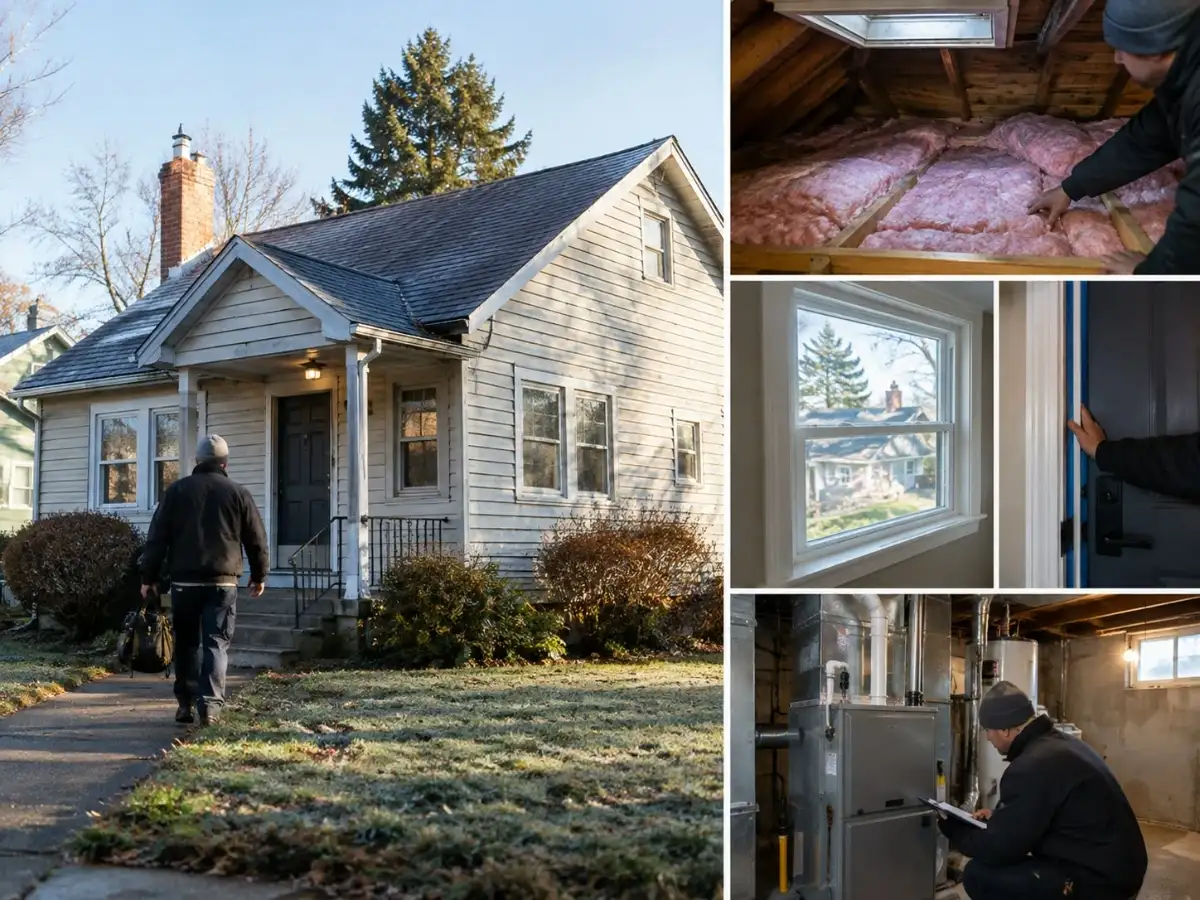
If you've ever lived in a mobile home, a rental where the furnace rattles like an angry chainsaw, or an older rental with a furnace that never quite keeps up, you've probably opened an electric bill that made you wince despite keeping the thermostat low. That experience lines up with the record: according to a 2010 Demand-Side Management report filed with the Idaho Public Utilities Commission (PUC), Idaho Power gave 40 low-income households free energy-efficiency upgrades, including 20 manufactured homes, and those households went on to use an average of 6,477 kilowatt-hours less electricity per year. That's roughly six to seven months of electricity for an average American household. Nothing fancy, just standard weatherization, done free of charge for some of the most overlooked housing in the state.
The housing type no one wants to discuss