Get all your news in one place.
100's of premium titles.
One app.
Start reading
International Business Times UK
World
Brian Yalung

ICE's Camera Rollout Was Stalled for Years, but Two Fatal Shootings Have Finally Forced Its Hand

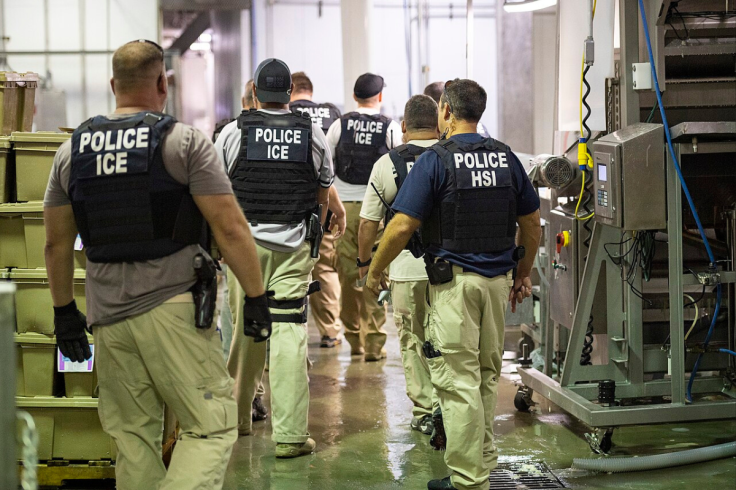
ICE officers will wear body cameras during traffic enforcement operations when possible. (Credit: Homeland Security Investigations | Wikimedia Commons)

A father-of-one, legally authorised to work in the US, was shot dead by federal agents even though he was not the target of their operation — one of two fatal shootings this July that have finally forced America's immigration enforcement agency to put body cameras on its officers, years after the technology was first piloted and quietly shelved.

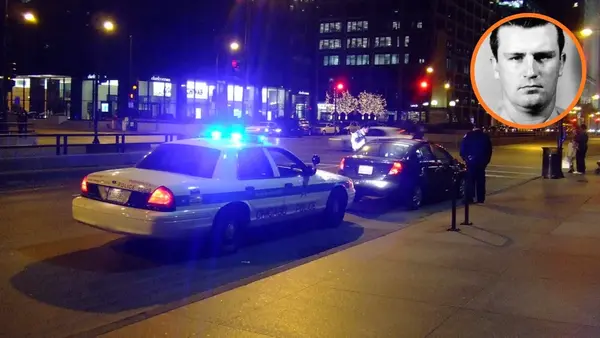
The killing of Joan Sebastian Durán Guerrero, 25, and the death of Mexican national Lorenzo Salgado Araujo, 52, have plunged US Immigration and Customs Enforcement (ICE) into its most intense scrutiny yet, with no video evidence to justify either shooting. Now, in a bid to head off the mounting criticism, the agency's director has ordered that at least one body-worn camera be present at every traffic stop, as ICE scrambles to roll out the technology nationwide.
The initiative was revealed by Tom Homan, the Trump administration's border czar, during a news broadcast. Homan said the directive would see at least one ICE officer wearing a body camera during traffic operations as the agency begins its nationwide rollout.

'The director of ICE put out instructions that whenever possible, that at least one body camera be worn,' Homan said. 'They exonerate more law enforcement than they convict, and I want officers wear body cameras because I want the American people see what the officer saw when they took that action,' he added.

The Fatal Shooting Incidents This July

There were two fatal shooting incidents earlier this month. The first happened on 7 July, involving a Mexican national, 52-year-old Lorenzo Salgado Araujo, in Houston.

Araujo was shot by federal agents at the time and later died from his injuries in hospital. ICE agents had been trying to arrest Araujo, but he had attempted to evade officers, a DHS spokesperson said.

The second fatal shooting happened on 13 July and involved 25-year-old Joan Sebastian Durán Guerrero. ICE agents allegedly feared for public safety and opened fire on Guerrero as he tried to flee the scene.

He was not the target of the enforcement operation. The married father of a three-year-old daughter was legally authorised to work in the United States, according to government officials, the Maine Immigrants' Rights Coalition, and Presente! Maine.

Why the Cameras Weren't There

ICE originally launched a pilot programme for body-worn cameras in 2024, deploying them to select teams in Baltimore, Buffalo, Detroit, Philadelphia and Washington, D.C. A wider expansion had previously stalled due to federal funding disputes and partisan gridlock over immigration enforcement resources, leaving the agency without the technology that could have provided clarity on both shootings.

Following the shootings, ICE initially suspended most vehicle stops to review its safety procedures. US President Donald Trump quickly ordered agents to resume the practice, calling traffic stops a vital enforcement tool. The body-worn camera directive now runs alongside that resumption, with Homan confirming the cameras have already been purchased and personnel training is under way for a comprehensive nationwide deployment.

ICE Scrutiny Mounting

At least six people have been killed during ICE enforcement actions since January 2025, according to data trackers. The two shootings this July have added to that toll, sharpening scrutiny on an agency that, until now, had no footage to explain its officers' actions.

Homan contended that body-worn cameras offer a definitive perspective that bystander or surveillance footage cannot replicate — the gap the agency is now moving to close.

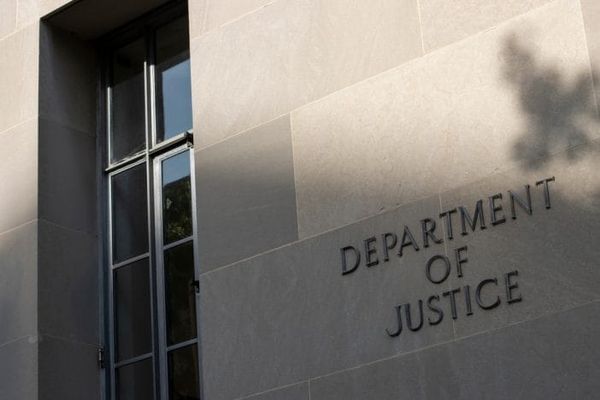
The pressure on ICE has not been confined to its camera policy. The FBI is expected to continue its investigation into the violent confrontations involving ICE personnel, with the Department of Justice (DOJ) and the DHS making clear that claims the FBI would no longer probe the confrontations were false.

The agencies, in a joint statement, said the allegations were untrue and that the FBI would continue to investigate in accordance with agency policy.

The agencies also stressed that the Trump administration remains committed to prosecuting attacks on law enforcement personnel.

'This administration has been clear, anyone who assaults law enforcement will be prosecuted to the fullest extent of the law,' read an official statement from the two agencies.

DOJ and DHS described themselves as partners in 'addressing crime and upholding the rule of law, while securing the safety and security of American communities.'

Sign up to read this article
Read news from 100's of titles, curated specifically for you.
Already a member? Sign in here
Related Stories
Top stories on inkl right now
One subscription that gives you access to news from hundreds of sites
Already a member? Sign in here
Our Picks
Fourteen days free
Download the app
One app. One membership.
100+ trusted global sources.